December 31
Knaššõ ja līvõ kīeldõ täuž ūdtõ 2026. āigastõ!

December 23
The article “The Estonian and Livonian Languages of Ludza: The Development of Baltic Sea Finnish Language Writing in Latvia” by UL LI researcher Uldis Balodis has been published in the University of Tokaj collection “The Creation of Literary Languages in the Amber Road Region.”
The article is available here.
December 20
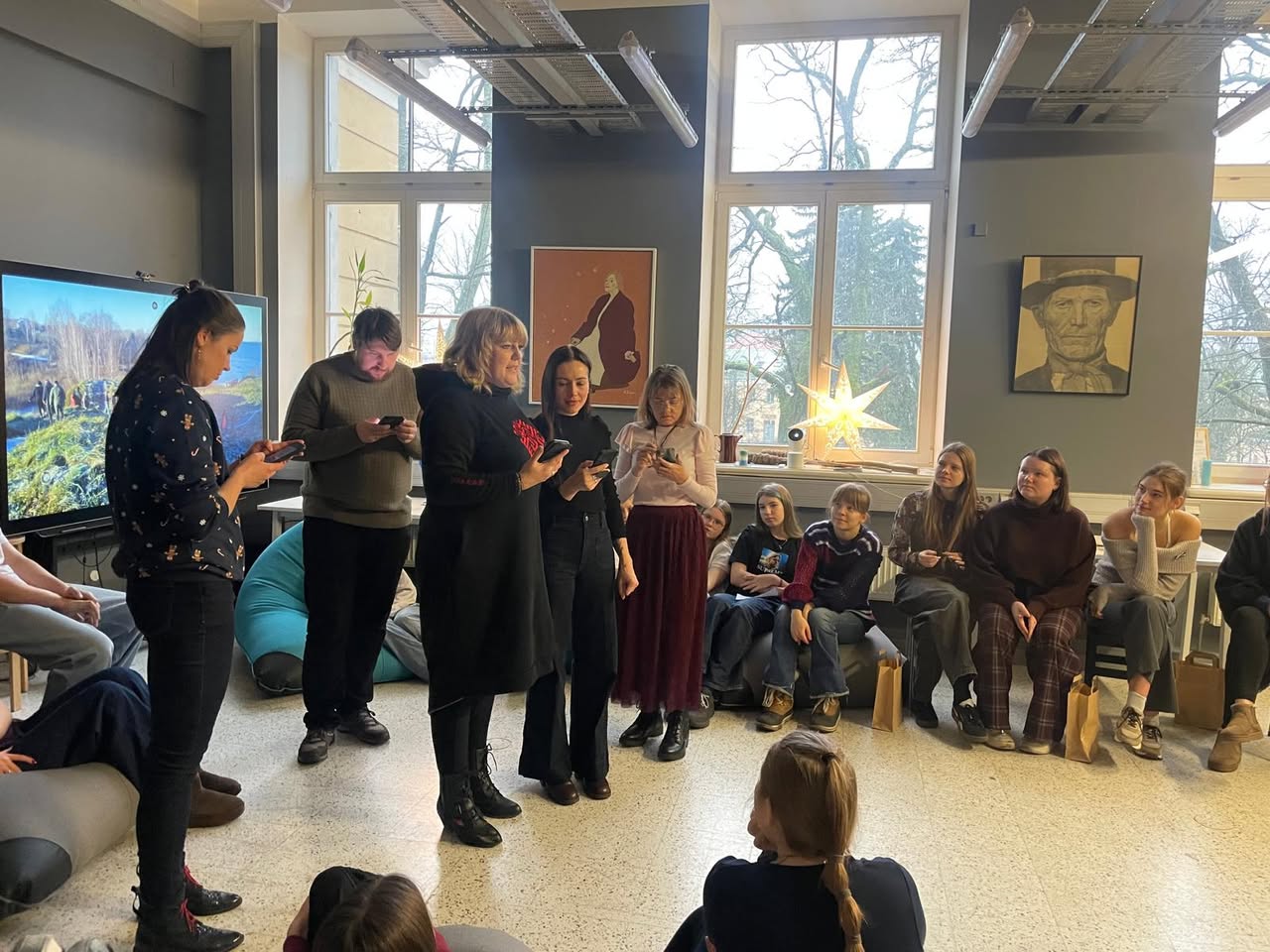
The last meeting of this year’s Livonian School participants – Livonian language speakers, learners, and teachers – took place at the UL Livonian Institute.
The participants had the opportunity to chat, sing, and read in Livonian, as they all received a brand new book written in Livonian by the school’s participants themselves. The meeting was also attended by a not-so-old Santa Claus with gifts.
This has been a great year for the Livonian language. We would like to thank the supporters of the Livonian language learning program – the Ministry of Education and Science, the Latvian Language Agency, and the Latvian National Culture Centre.
December 19
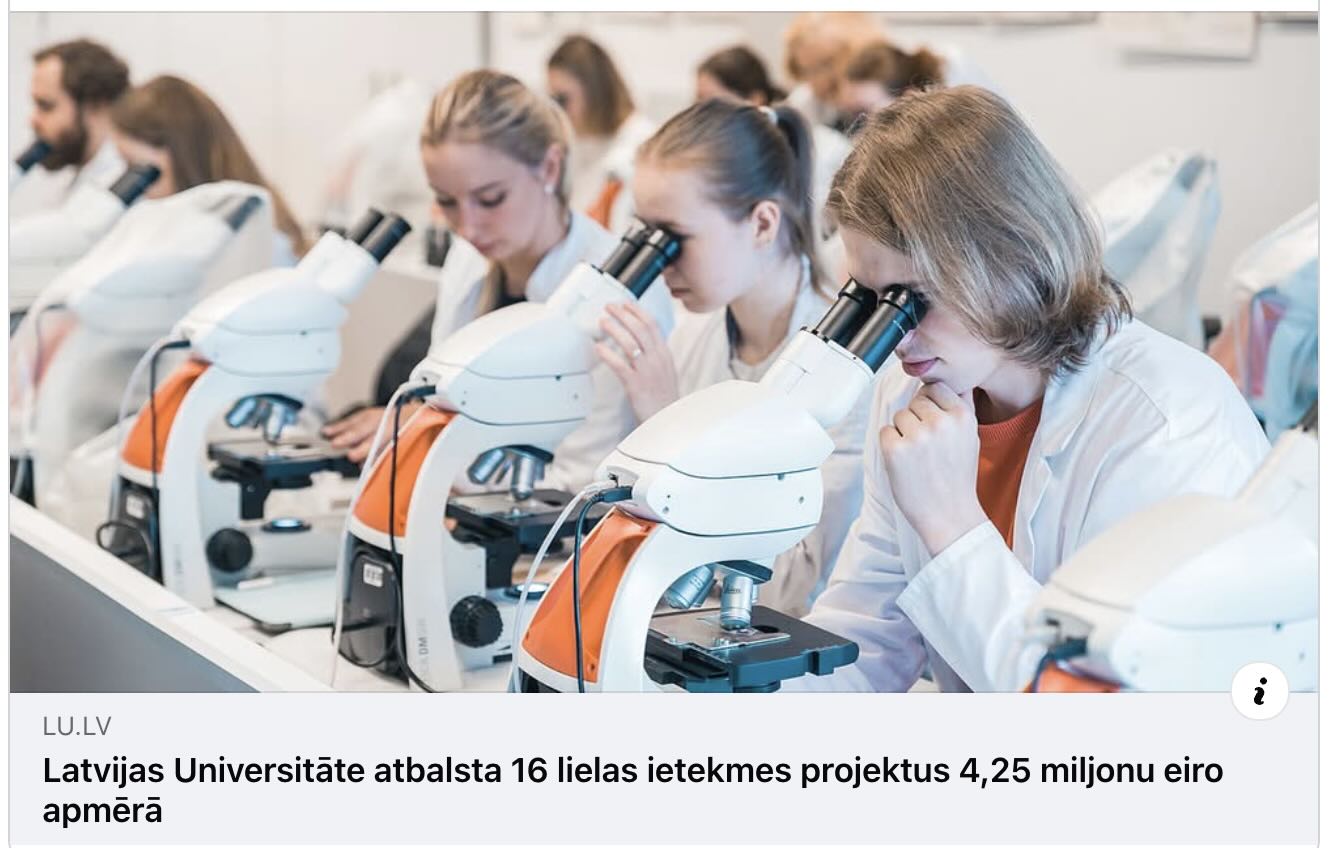
The project “Interdisciplinary Research Incubator ‘The Beginnings of Latvia'” prepared by the UL Livonian Institute has received support from the University of Latvia’s High Impact Development Program 2025 competition.
In this project, jointly conceived by the Institute and its powerful partners, specialists from various fields will research periods of Latvian history for which there are few or no written sources. The project will also involve the University of Latvia’s Institute of Latvian History, the Department of History and Archaeology of the University of Latvia’s Faculty of Humanities, the University of Latvia’s Institute of the Latvian Language, the Department of Geology of the Faculty of Exact Sciences and Technology of the University of Latvia, the Centre of Excellence in Science Eesti juured of the University of Tartu’s College of Archaeology, Genetics and Linguistics, the Latvian Academy of Culture, the National History Museum of Latvia, Latvian Archaeologists’ Association, National Heritage Board, as well as researchers from other institutions – UL Institute of Literature, Folklore and Art, Ventspils Museum, Latvian Academy of Art and others.
December 10
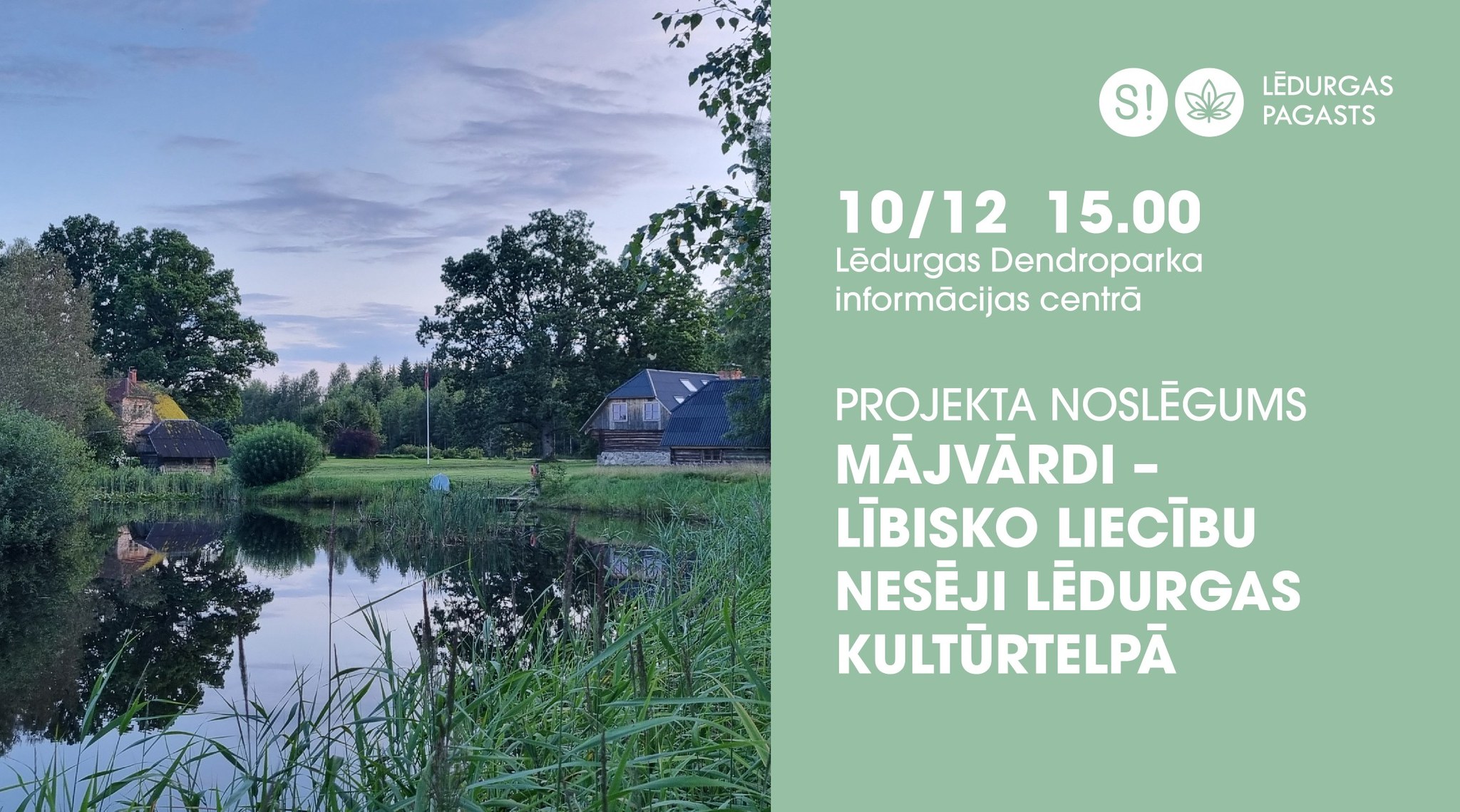
A new source of information in the Vidzeme cultural space at Lēdurga Arboretum.
As part of the project “House names – bearers of Livonian heritage in the Lēdurga cultural space,” the Smailes association has developed an information stand with house names and place names related to the Livonian language, pronunciation, and history. The UL Livonian Institute participated in the development of the material, providing the association with consultations on the origin and emergence of house names.
November 28
The proposal of the UL Livonian Institute for the new European cultural program AgoraEU has been included in Latvia’s national position, which was developed by the Ministry of Culture of the Republic of Latvia and approved by the Latvian government.
In its national position, Latvia calls on the European Commission to emphasize the importance of the heritage of indigenous peoples and other cultural communities in strengthening Europe’s common identity and preserving cultural and linguistic diversity. We hope that the European Commission will take this proposal into account, as the current draft framework does not yet reflect the importance of indigenous peoples, regional and other marginalized cultural communities.
November 24
The program “BezTabu” discussed the presence of the Livonian language in road signs and its role.
Thanks to Romēna, who asked the question, but especially to the BezTabu team for giving us the chance to remind everyone visiting the Livonian coast and other people in Latvia about the Livonians, their heritage, and their dynamic present. The story is available here.
November 21
The importance of digital resources in language development is discussed in a publication by kasjauns.lv, which presents the results of the National Research Program “Digital Humanities” project “Development of an Open and FAIR-compliant Digital Humanities Ecosystem in Latvia” (DHELI).
The publication is available here.
November 20
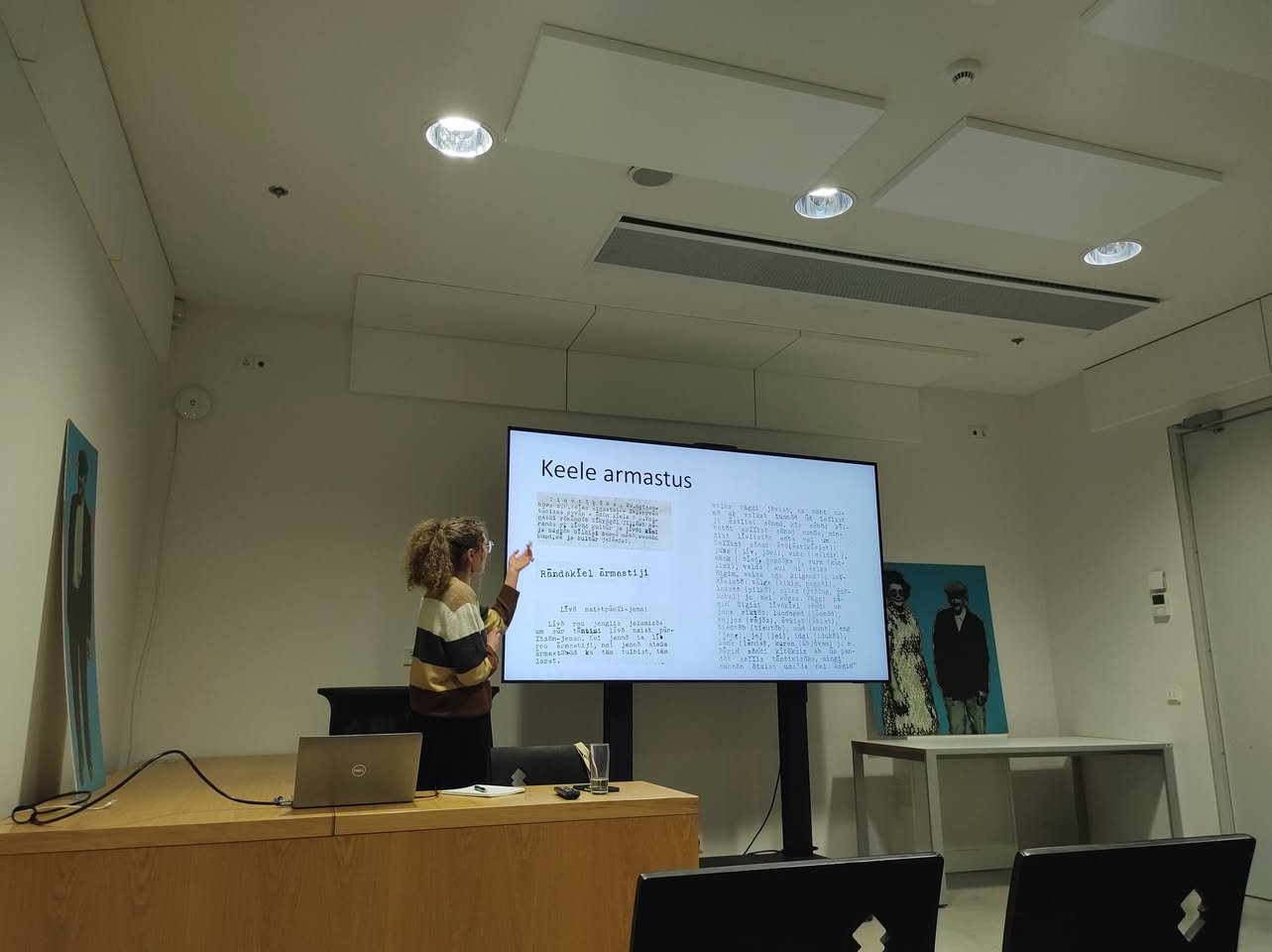
Arnita Agrita Umalas, a researcher at the UL Livonian Institute, gave a presentation at the Estonian National Museum’s Hõimuklubi.
Her presentation was dedicated to the newspaper Līvli and its role in the Livonian community in the 1930s.
November 20
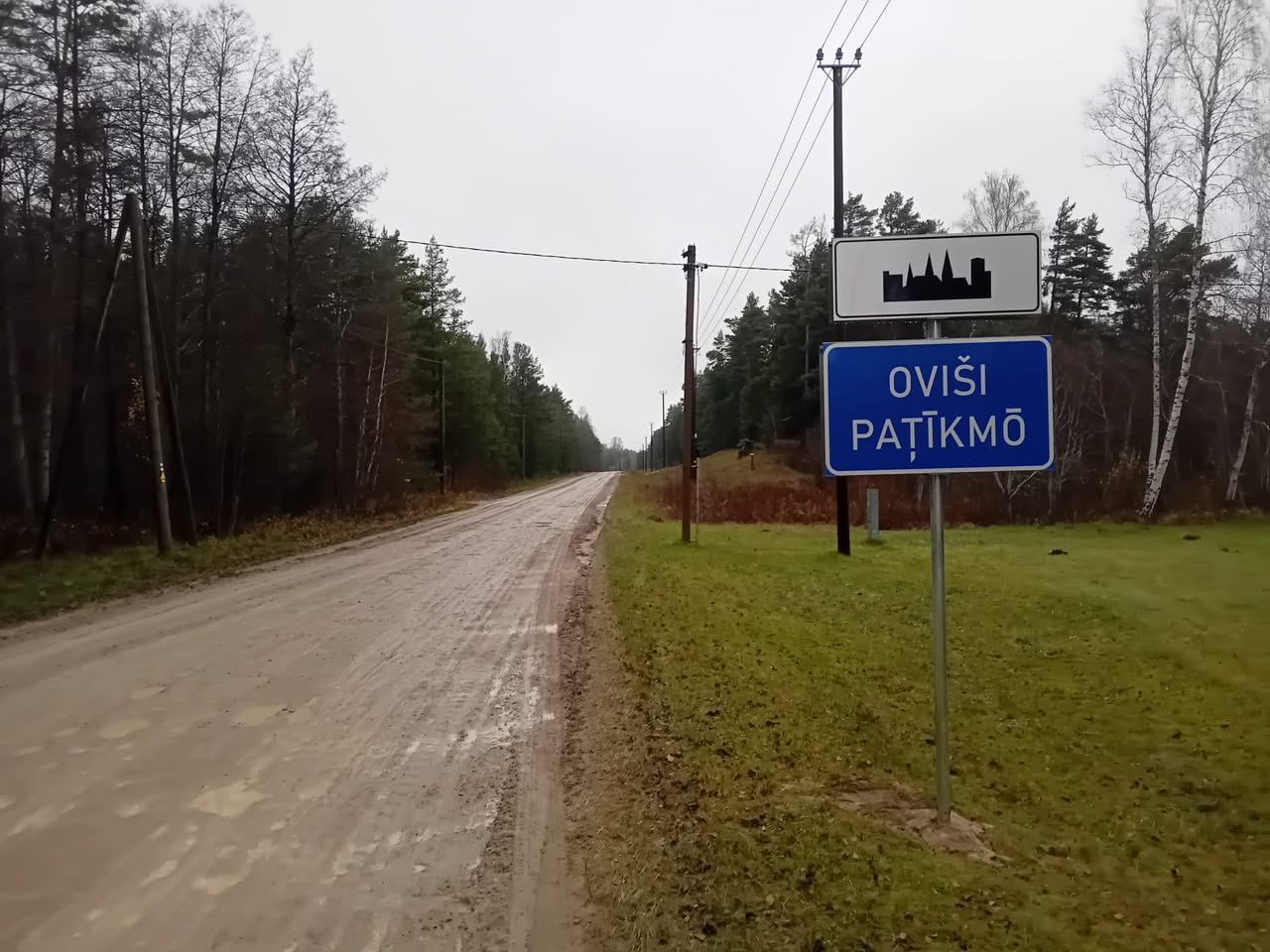
The municipality of Ventspils installs road signs in the Livonian language in the Livonian coastal villages within its jurisdiction.
November 13
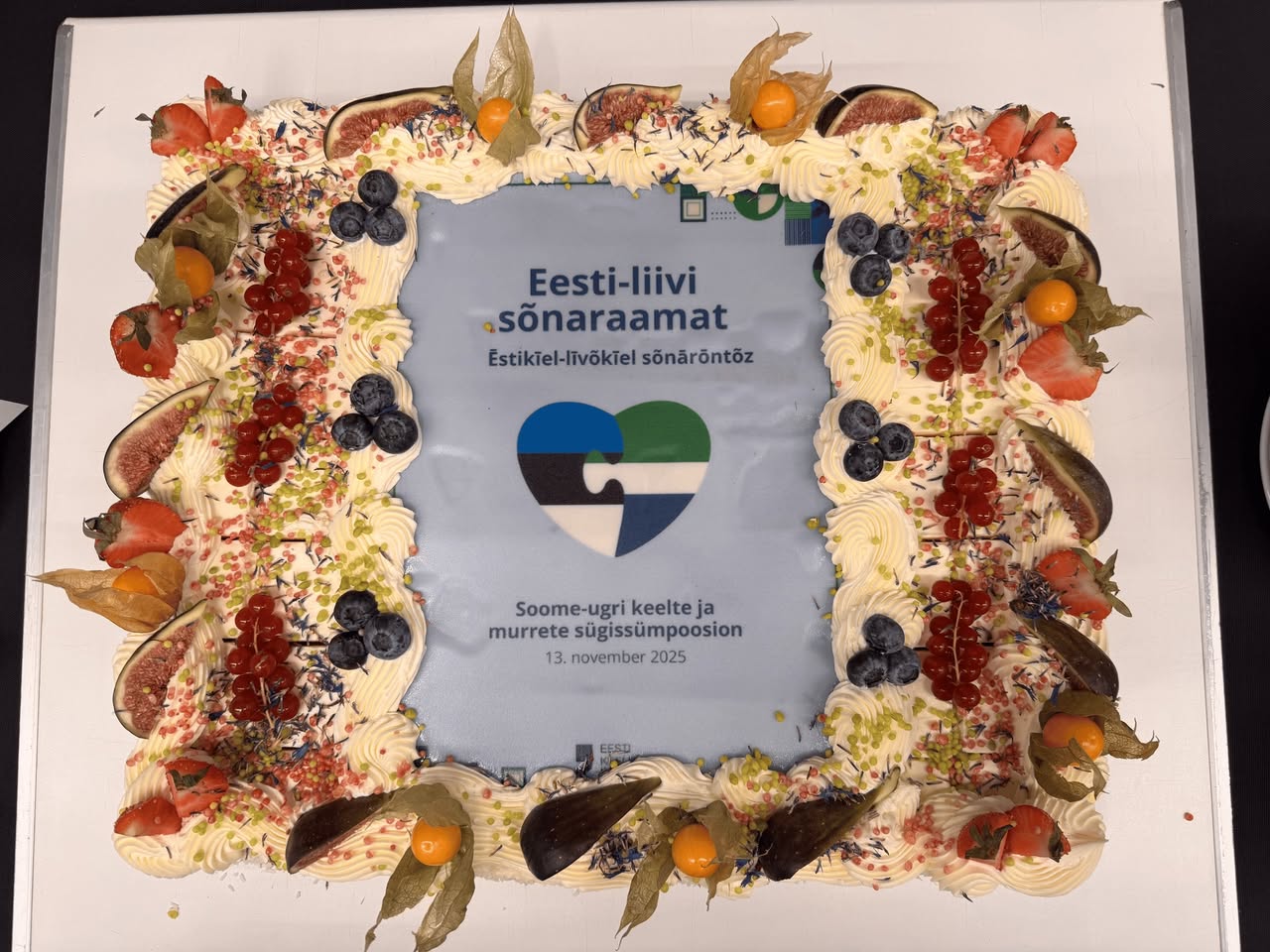
The Estonian Language Institute hosted the autumn symposium on Finno-Ugric languages and dialects, “Soome-ugri kirjakeelte lood”.
At the symposium, V. Ernštreits, together with his collaborator and researcher Sven-Erik Soosaar, spoke about the development of Livonian vocabulary and unveiled a joint Estonian-Livonian electronic dictionary containing approximately 5,000 of the most common words in Estonian with their Livonian equivalents.
November 7
A seminar dedicated to the Võro language was held in Võru, Estonia, featuring a presentation by Valts Ernštreits, director of the UL Livonian Institute.
At the seminar, V. Ernštreits spoke about the legal status of Livonians as an indigenous people and the Livonian language, its implementation in practice, as well as other issues related to ensuring the continuity and sustainability of the Livonian language today.
November 4–6
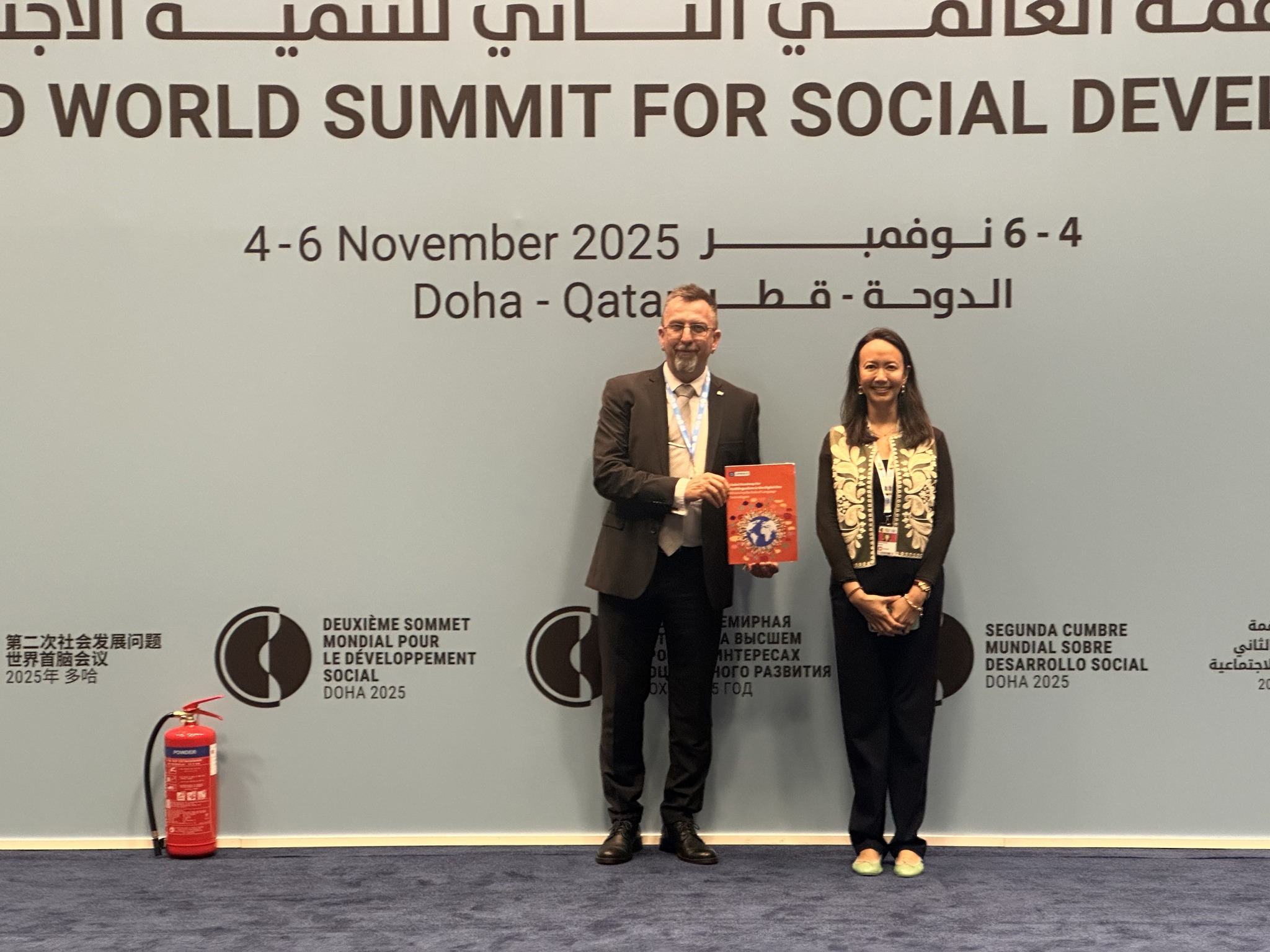
In Doha, Qatar, during the Second World Summit on Social Development, UNESCO’s session “Language Protection and Expansion of Opportunities: Inclusive MI for Social Progress” officially launched the Global Roadmap for Multilingualism in the Digital Age.
One of its co-editors, Valts Ernštreits, Director of the UL Livonian Institute, participated in the presentation of the roadmap together with other international experts. This is the most significant contribution to date by the Livonian Institute to global efforts to protect linguistic and cultural diversity.
November 1
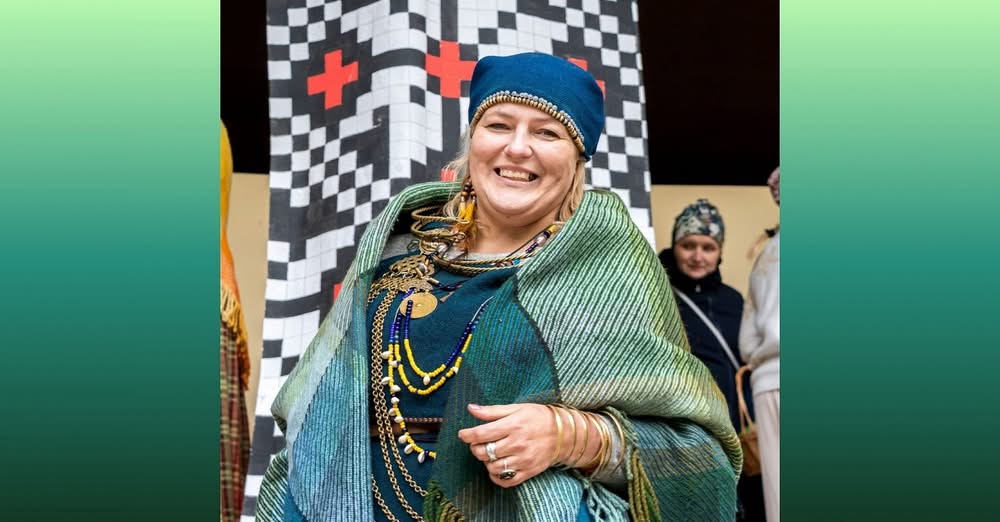
LSM story about Julgī Stalte, a Livonian, speaker of the Livonian language and guardian of its heritage, who this year joined the ranks of excellent Livonian language teachers in regular Livonian language classes at the UL Livonian Institute.
The story is available here.
October 31
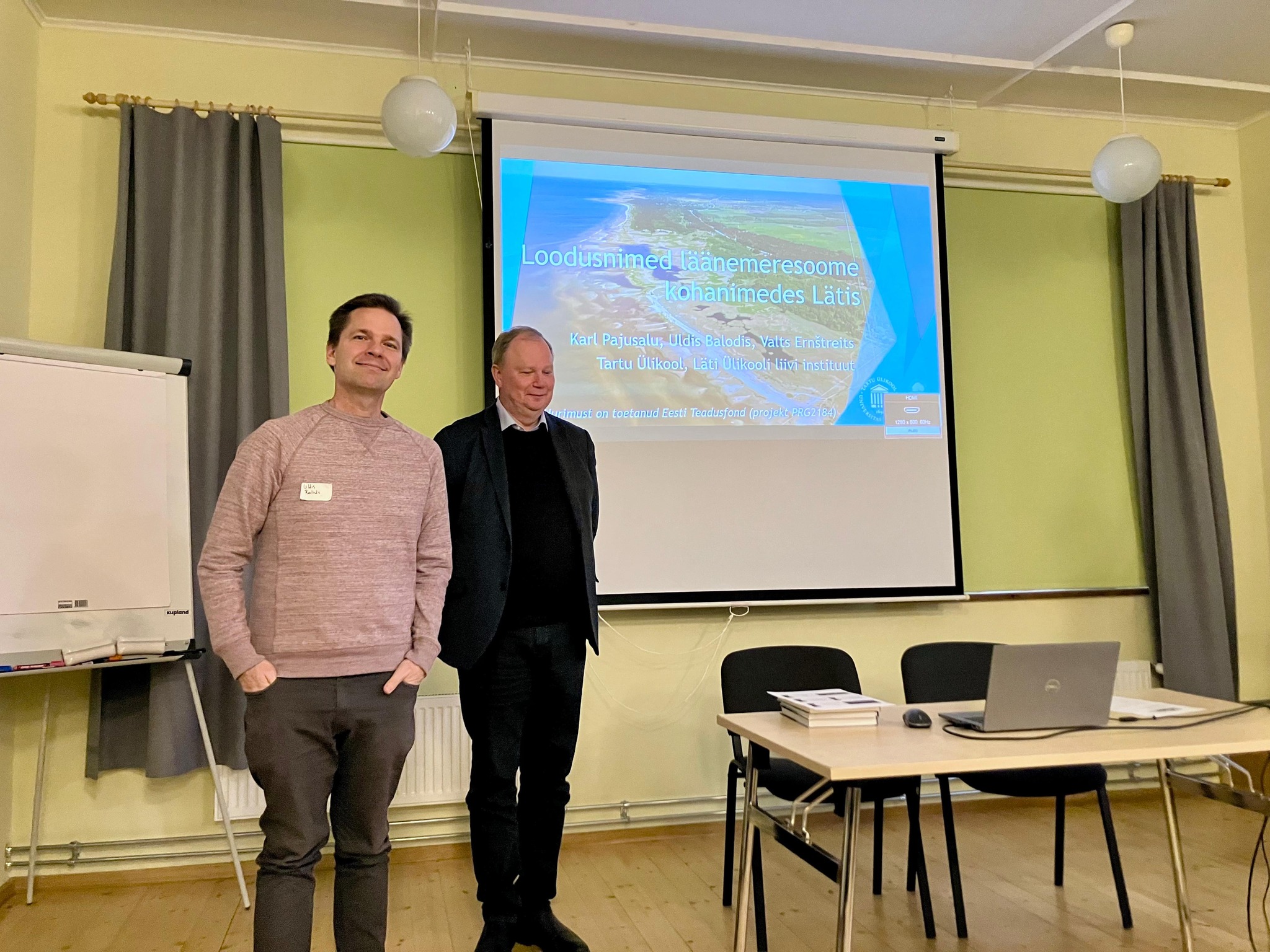
The Võru Institute hosts an international conference entitled “Indigenous Languages and Cultures in Times of Change” (Põlidsõq keeleq ja kultuuriq muutuisi aol).
The conference is attended by UL LI researchers Uldis Balodis and Valts Ernštreits and Tartu University professor Karl Pajusalu with a presentation entitled “Nature Names in Baltic Sea Finnish Place Names in Latvia” (Loodusnimed läänemeresoome kohanimedes Lätis).
October 30
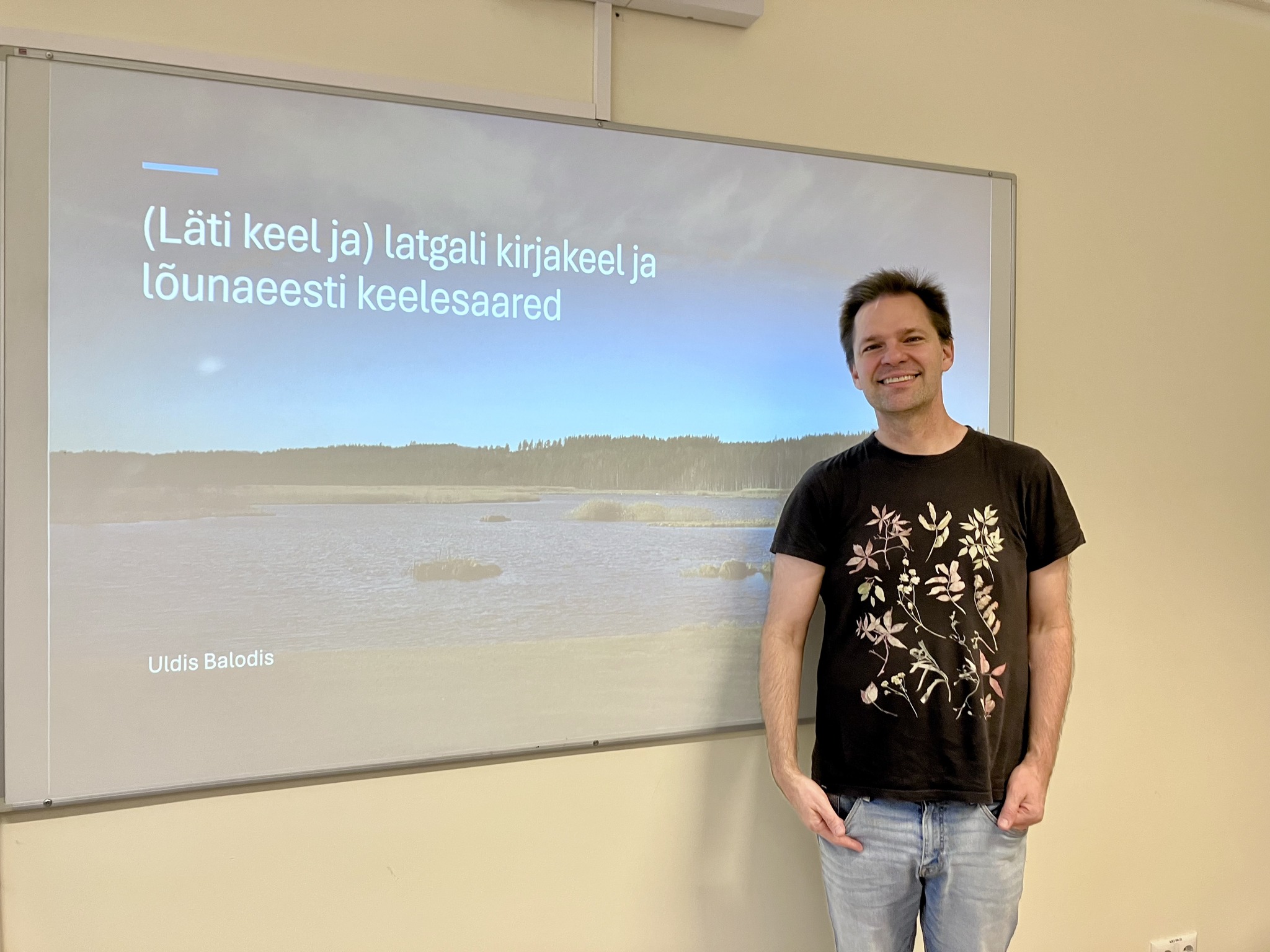
On October 30, as part of the University of Tartu course “Estonian and Vidzeme Written Languages in Literature” (Eesti- ja Liivimaa kirjakeeled kirjanduses), UL LI researcher Uldis Balodis gave a guest lecture on the history and development of the Latvian, Latgalian, and Ludza Estonian written languages.
U. Balodis also spoke about the significant role of the Livonian language in the development of modern Ludza Estonian writing.
October 29
The 5th IDIL 2022–2032 Ad-Hoc Group meeting takes place.
During the meeting, the results of the first Global Indigenous Languages Survey — the most extensive joint project of the International Decade of Indigenous Languages to date — were analysed.
October 29
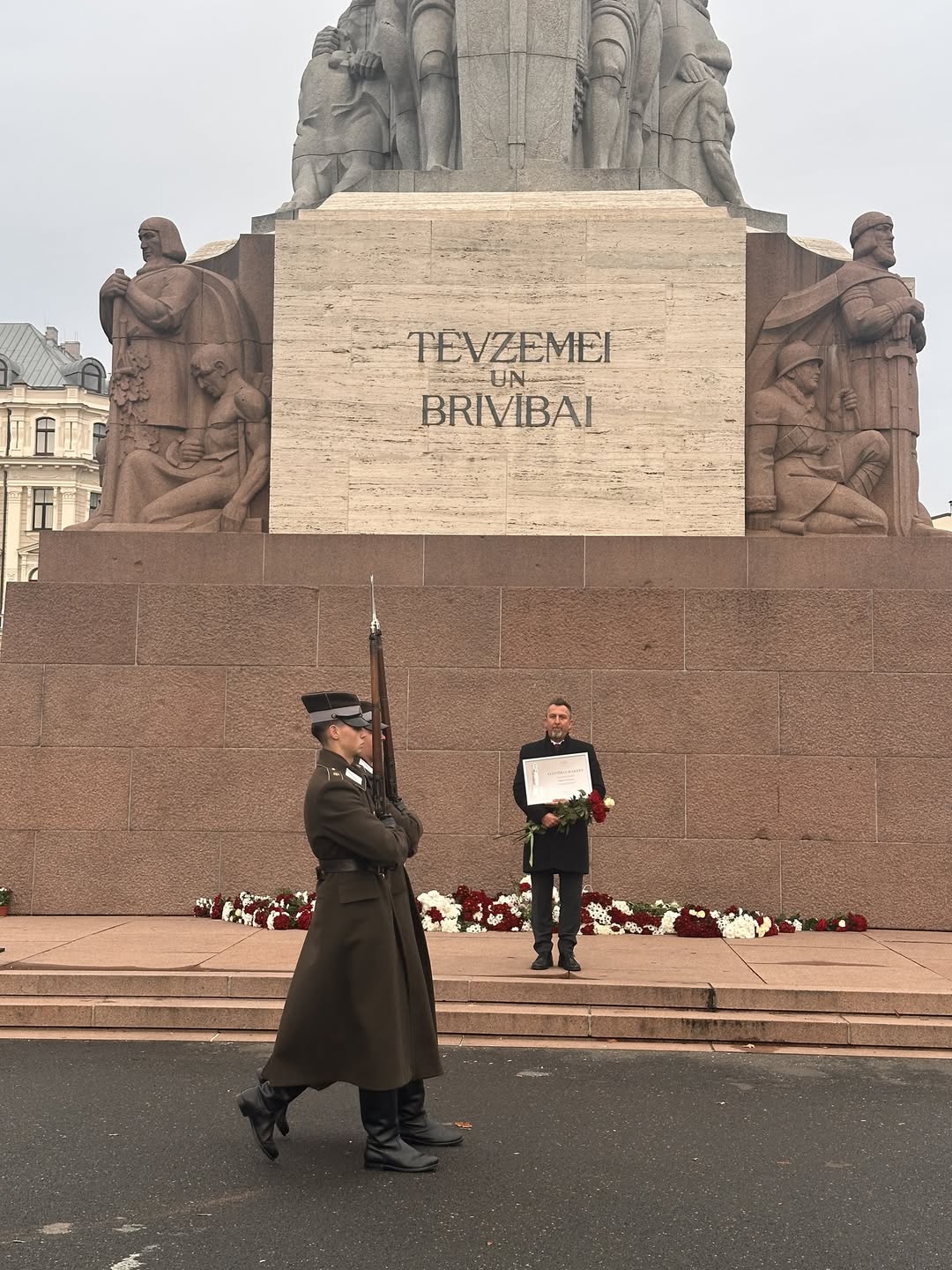
Valts Ernštreits, director of the Livonian Institute, was awarded a Letter of Recognition from the Cabinet of Ministers.
The Letter of Recognition was awarded to V. Ernštreits for his outstanding and multifaceted contribution to the research, preservation, and development of the Livonian language and culture.
October 26
Touko Keränen, member of the Finlandia Foundation’s Young Leaders Council, visits the Livonian Institute.
The Finlandia Foundation is located in Hancock, Michigan (USA), a region home to one of North America’s largest Finnish communities. This year, Hancock was awarded the title of Finno-Ugric Capital of Culture 2026. LU LI was the first stop on Keränen’s trip to Latvia, Estonia, and Finland, which aims to get to know local Finno-Ugric communities and organizations in order to strengthen ties between Hancock, Northern Michigan, and the Finno-Ugric world.

October 23
Valts Ernštreits, director of the Livonian Institute, participates in the Saulkrasti history exploration series event “Latvian Heritage and Livonian Traces in the Saulkrasti Region” with a presentation on the Livonians.
In his lecture “The Livonians and Livonian Heritage in the Place Names of the Saulkrasti Region,” V. Ernštreits spoke about the Livonian heritage on the Vidzeme coast.

October 22–25
The XIV International Congress of Baltic Studies takes place at Vilnius University.
Researchers from the institute also presented papers at the congress: V. Ernštreits read a paper entitled “Which Finnic Variety Shaped the Livonian-like Dialect of Latvian in Courland?” (Valts Ernštreits), and Uldis Balodis and Anna Sedlačkova presented a paper entitled “Pōlaks, līvõkīelkõks! Creating Resources and Tools for Learning Livonian”. More about the congress here.

October 22–25
The 29th conference of the Fund for Endangered Languages (FEL) is taking place at the University of the Basque Country in Vitoria-Gasteiz.
This year’s conference theme is “The missing SDG: Endangered Languages and Sustainable Development.” Institute researcher Bridget Moran-Nae gave a presentation at the conference entitled “Creating a sustainable revitalization strategy for Livonian: what can we learn from musical performers?”

October 21
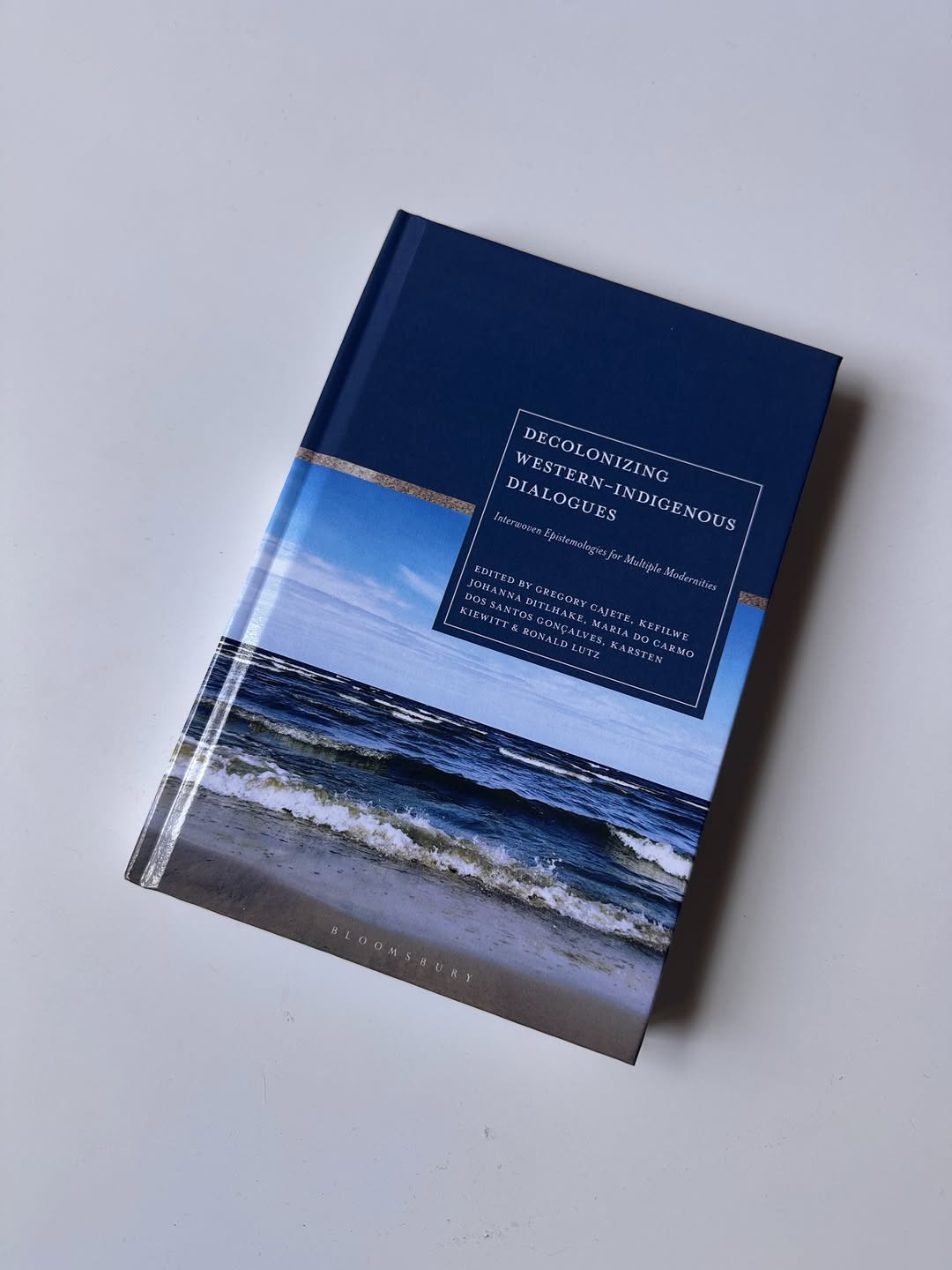
Article by researchers from the Livonian Institute published in the monograph Decolonizing Western-Indigenous Dialogues, Bloomsbury.
The collection includes an article by V. Ernštreits and G. Kļava entitled Indigenous in Europe: The Challenge in Bringing back Livonian. More about the publication here.
October 1
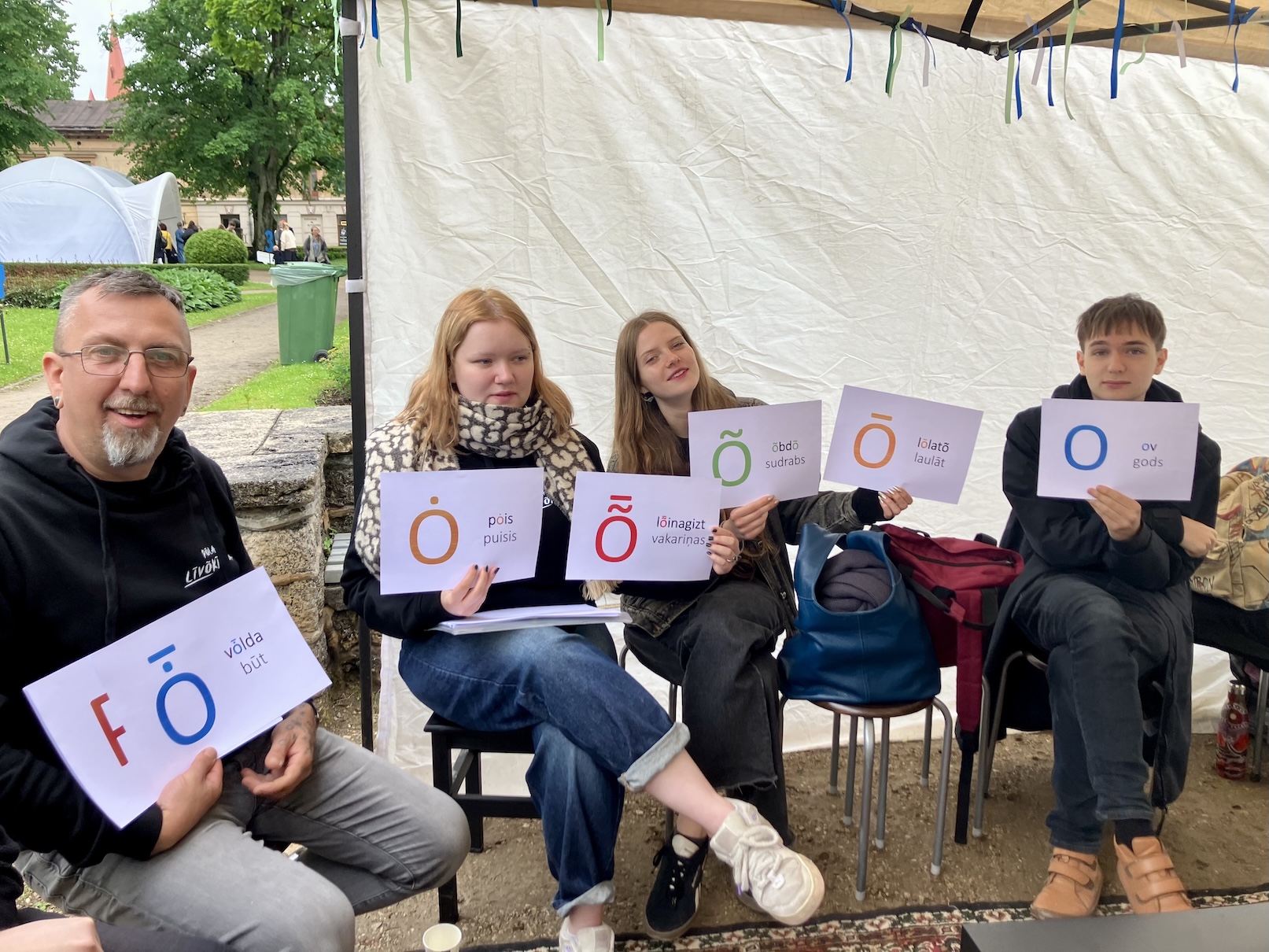
The Institute begins regular Livonian language classes for the fall semester of 2025.
This year, approximately 40 students will begin learning the Livonian language in six groups led by eight teachers. Regular Livonian language classes are funded by the Ministry of Education and Science.
September 30
We celebrate International Translation Day by speaking at the #InternationalTranslationDay2025 event and presenting one of the most significant international initiatives for the future of language technology – UNESCO’s Global Roadmap for Multilingualism in the Digital Age.

September 26
Latvia celebrates Scientists’ Night.
Valts Ernštreits, director of the Livonian Institute, participates in a discussion organized by the University of Latvia entitled “Contemporary Latvia: Identity and Statehood,” which, among other things, examined the Livonian experience in ensuring sustainability and future challenges in preserving Latvian identity and statehood.
The discussion can be viewed here.

September 25
The director of the Institute participates in an expert event organized by UNESCO and Zenter fir d’Lëtzebuerger Sprooch – ZLS entitled “Languages at Every Stage: A Technical Dialogue on Inclusive Language Technology Development”.
The event is dedicated to several important issues concerning the presence and equality of languages, especially indigenous and endangered languages, in the digital environment.
September 16
The government approves the first report to the Saeima on achievements and plans in the field of state language policy.
The report also includes information prepared by the UL Livonian Institute on measures to ensure the vitality of the language of Latvia’s indigenous people, the Livonians.

September 14–15
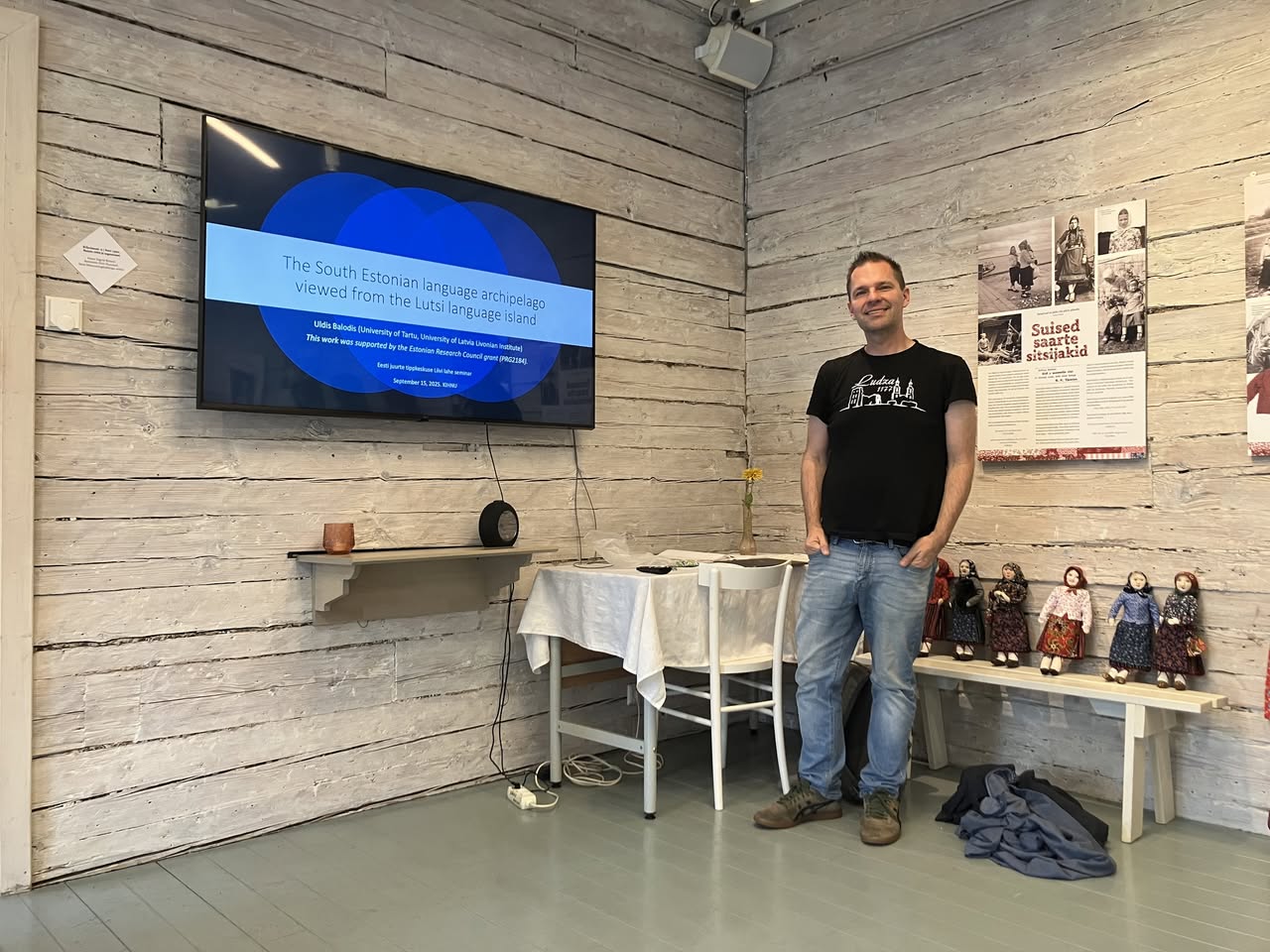
Researchers from the UL Livonian Institute participate in a seminar on the Gulf of Riga organized by the University of Tartu’s Center of Excellence in Transdisciplinary Research on Ethnogenesis and Cultural Diversity at the Kihnu Community Center and Kihnu Island Museum.
Valts Ernštreits gave a presentation entitled “Liivi lahe rahvad, keeled ja ilmakaared” (The peoples, languages and cardinal directions of the Gulf of Riga), while Uldis Balodis gave a presentation entitled “Aplūkojot dienvidigauņu valodas arhipelāgu no Ludzas igauņu valodas salas” (The South Estonian language archipelago viewed from the Lutsi language island).
September 12–14
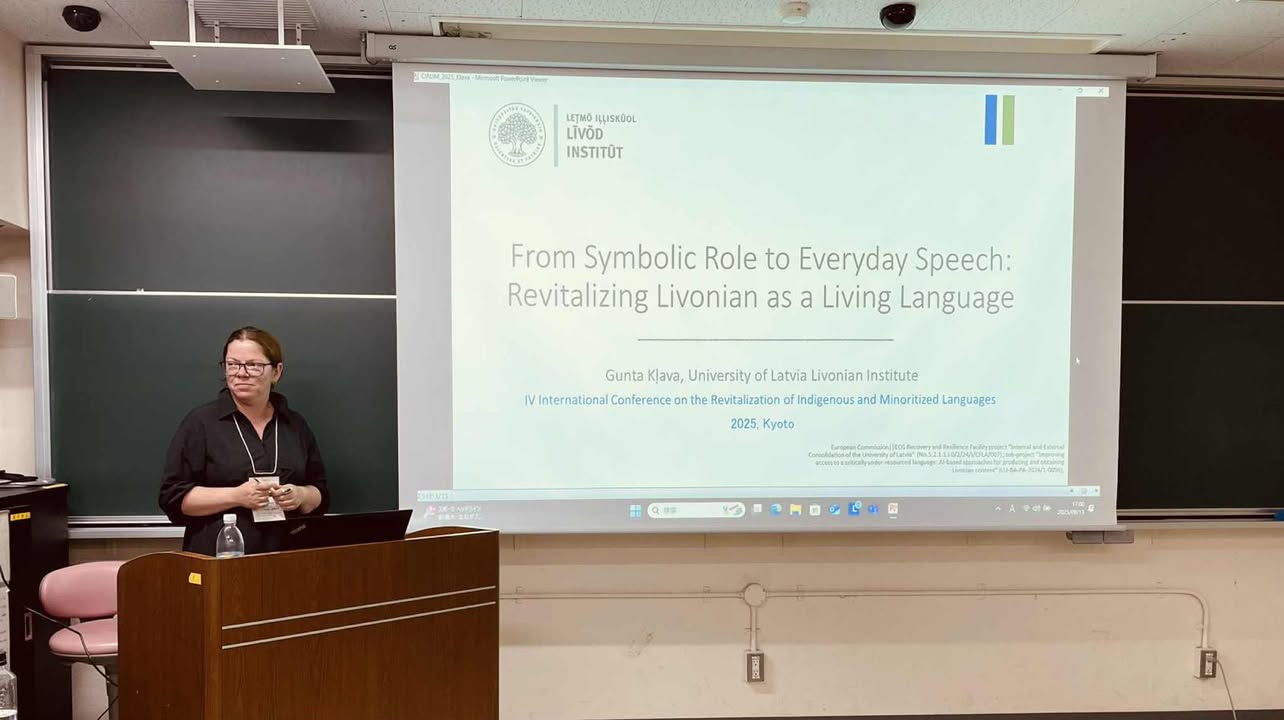
Researchers from the UL Livonian Institute participate in an international conference – IV International Conference on the Revitalization of Indigenous and Minoritized Languages – at Kyoto University.
Two papers were presented at the conference – Gunta Kļava’s paper “From Symbolic Role to Everyday Speech: Revitalizing Livonian as a Living Language” and Valts Ernštreits’ paper “Bridging the Digital Divide: Latvia’s Indigenous Livonian Case”. More about the conference here.
September 10
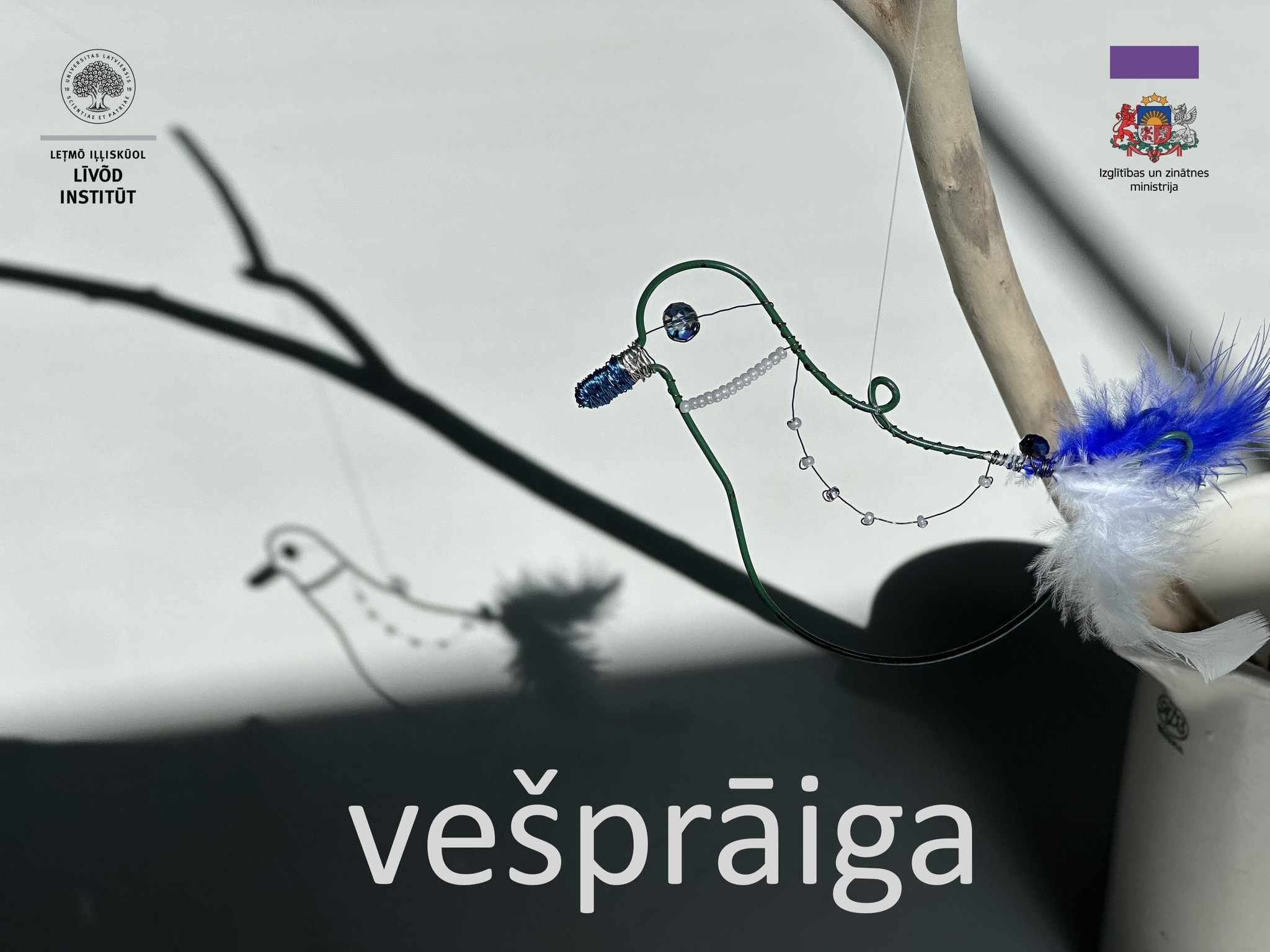
The UL Livonian Institute resumes its Livonian language reading evenings, Vešprāiga, led by Zoja Sīle.
Lessons take place at the UL Livonian Institute on Wednesdays from 6:00 p.m. to 8:00 p.m.
September 2
An interview with Valts Ernštreits, director of the UL Livonian Institute, about the current situation and future prospects of the Livonian people and language, published in the Estonian public media.
The interview is available here.
August 28
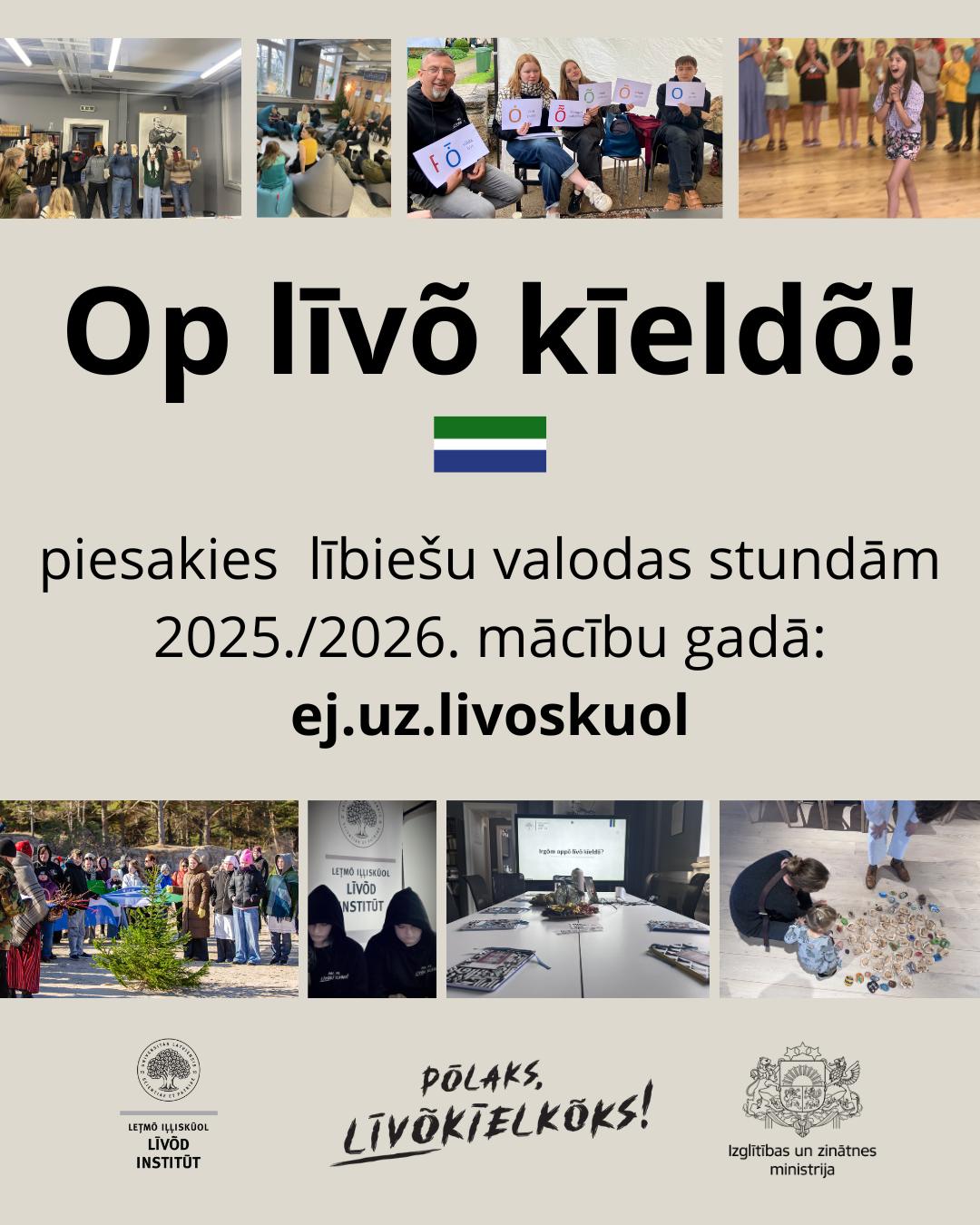
Registration begins for regular Livonian language classes for children and young people organized by the UL Livonian Institute.
With the support of the Ministry of Education and Science, Livonian language classes for Livonian children and young people will be held again this year.
August 18–23
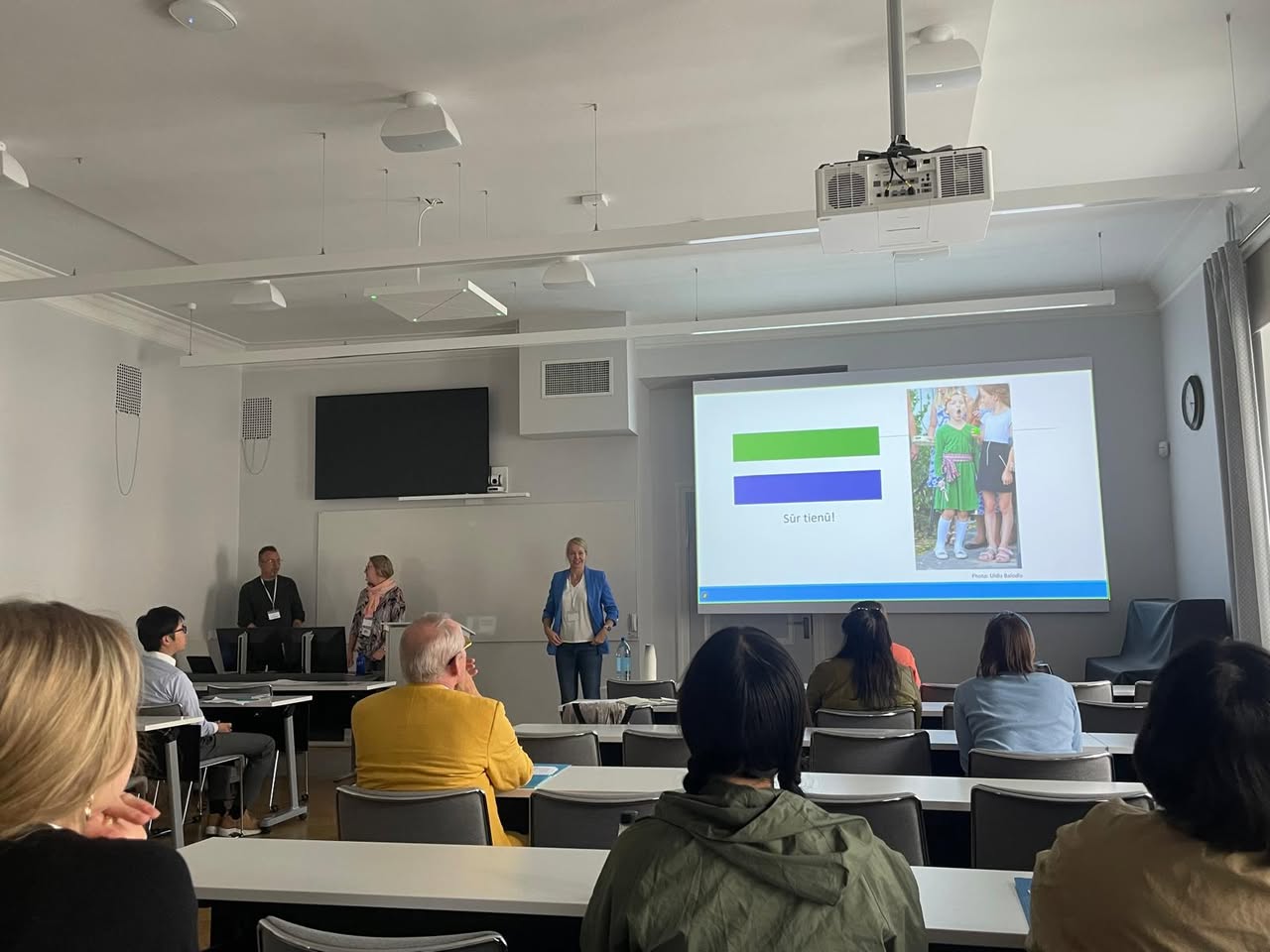
The 14th International Congress of Finno-Ugric Studies (Congressus Internationalis Fenno-Ugristarum, CIFU) takes place at the University of Tartu, with the Livonian Institute also well represented.
The congress is the largest scientific event in the field of Finno-Ugric studies in the world, having been held every five years since 1960.
On August 19, Uldis Balodis gave a presentation entitled “Variation in locative case forms in Lutsi, a South Estonian variety of Latgale.”
On August 20, Uldis Balodis, in a joint presentation with Tartu University professor Karl Pajusalu, spoke about the prosody of words in the southern Baltic Sea Finno-Ugric languages. Gunta Kļava gave a presentation entitled “We Can Speak in Livonian—From Livonian as a Stage and Written Language to a Spoken Language,” and Bridget Moran-Nae gave a presentation entitled “The Intersection of Music and Language Revitalization—Livonian Musical Performers.”
On August 21, Tuuli Tuisk and Valts Ernštreits spoke about contemporary changes in the pronunciation of the Livonian language in their presentation “Voices of Livonians: how to evaluate the pronunciation of the Livonian language spoken today?”.
On August 22, Valts Ernštreits gave a plenary presentation entitled “Building a Future for Livonian.”
August 8
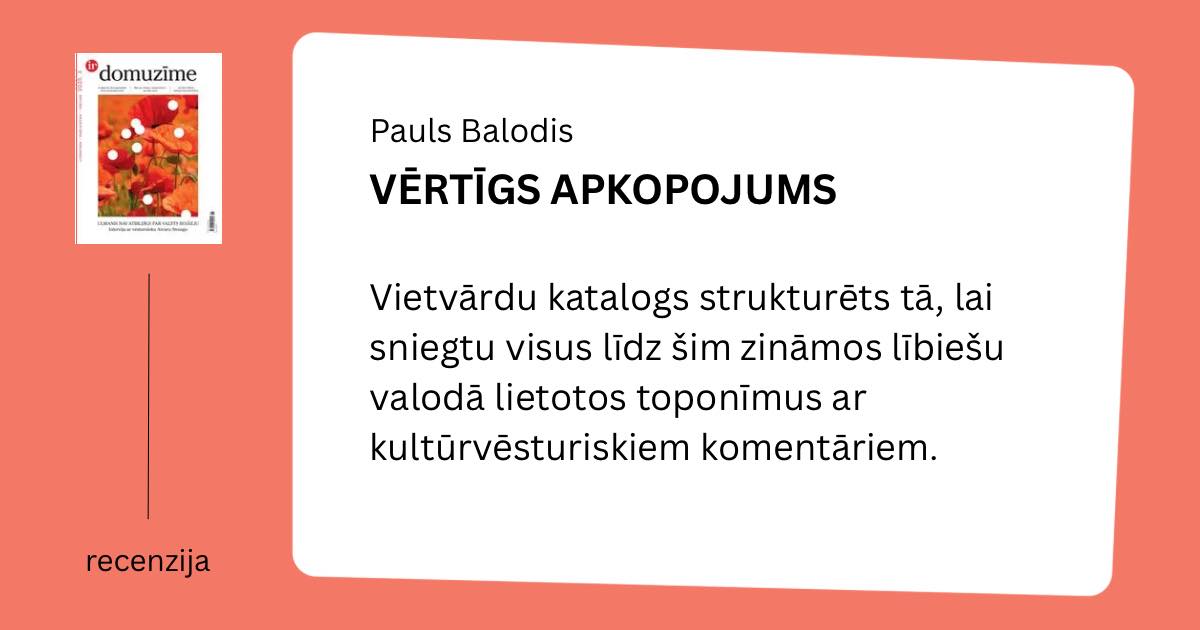
An article by onomastics researcher Pauls Balodis in the magazine Domuzīme about the institute’s publication Lībiešu vietvārdu katalogs (Catalogue of Livonian Place Names).
For those interested in the heritage of Livonian place names, we remind you that Livonian place names are also available in database and map form on the Livonian language and culture resource platform livonian.tech.
August 8
August 8 is International Day of the World’s Indigenous Peoples.
Best wishes on this day to the indigenous peoples of Latvia – the Livonians – and to all Livonian brothers and sisters – indigenous peoples – around the world!
August 4
Valts Ernštreits, Director of the Livonian Institute, speaks at a forum organized by the Ministry of Foreign Affairs.
During a panel discussion at the 4th International Forum for Latvian Professionals Working in International Organizations, dedicated to security, defense, social cohesion, and sustainability, V. Ernštreits introduced forum participants to our work in international indigenous organizations.
August 2
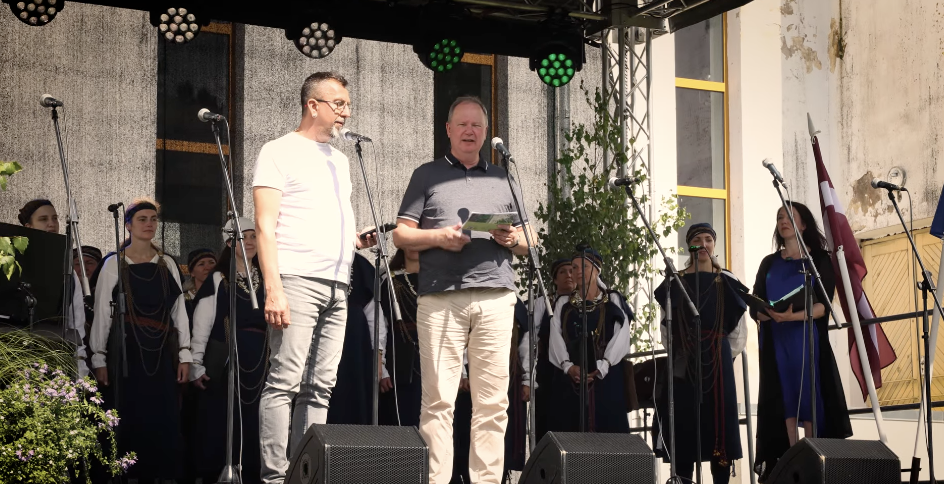
The annual Livonian Festival takes place in Mazirbe.
The festival features various performances by participants of the Livonian children’s and youth summer school “Mierlinkizt” and a speech by the director of the UL Livonian Institute during the festive part of the celebration.
July 31
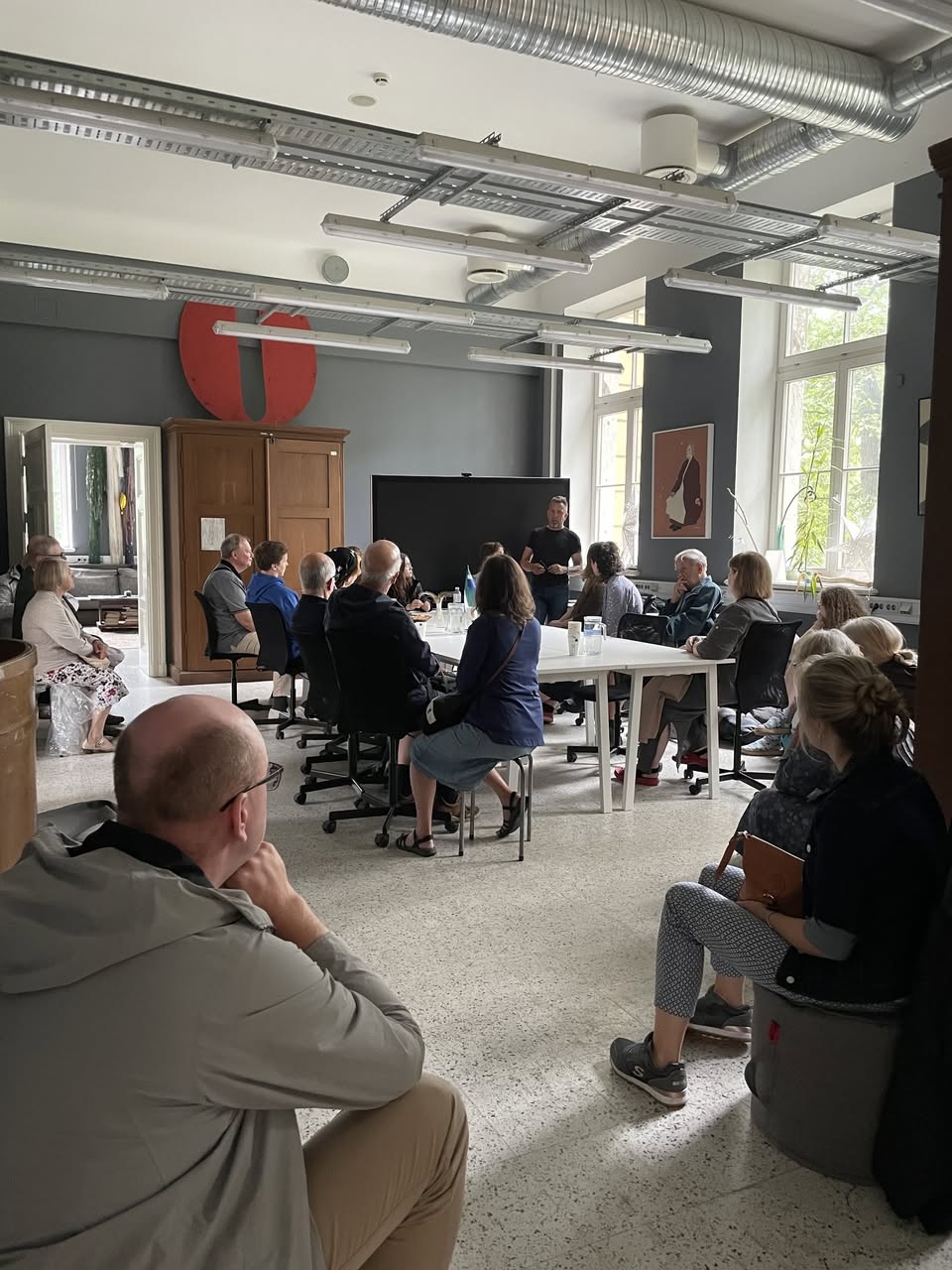
The International Society of Livonian Friends (Estonia) visits the Institute.
On their way to the Livonian Festival, the members of the society also learned about the Institute’s activities and future plans, and discussed further cooperation.
July 31
TV9Pakalni report on the Livonian children’s and youth summer school “Mierlinkizt.”
As the authors of the report have noticed, in recent years the summer school has been increasingly returning to its roots – learning and preserving the Livonian language, culture and traditions, which is also reflected in spending time with Livonian language speakers and tradition keepers. In addition, this year they have been joined by young Livonians who have wanted to learn the Livonian language and culture throughout the year and can now share their knowledge with others – both school participants and teachers.
July 26
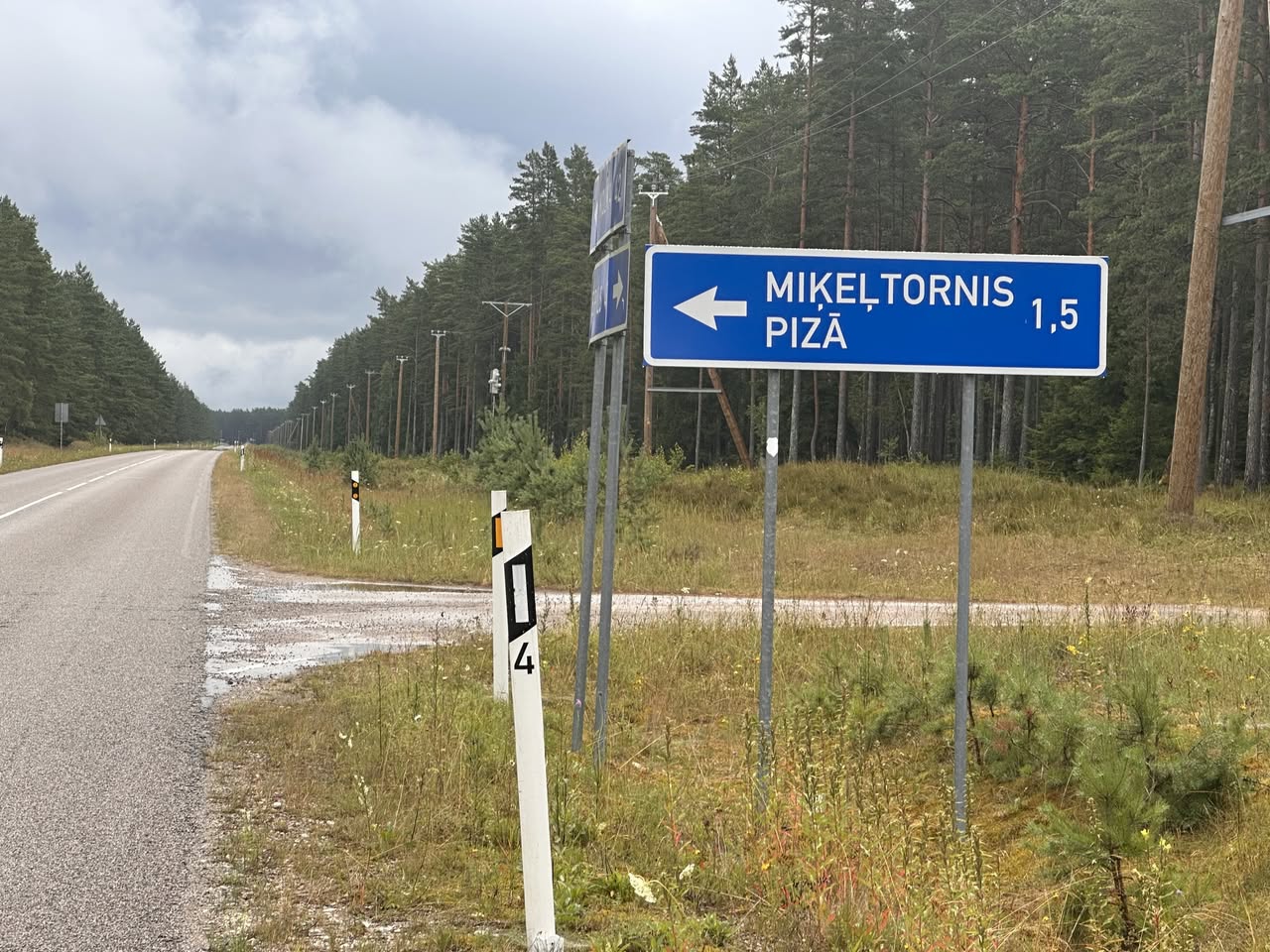
Road signs in the Livonian language have been installed in Livonian coastal villages where they had not yet been installed.
Now Livonian names are finally visible in all Livonian coastal villages, and we can say that the first stage of the long and at times difficult journey to restore and make visible the Livonian language and heritage in the Livonian coastal landscape has been symbolically completed.
We are pleased that our persistence in highlighting the need for these signs, as well as our participation in discussions and public events, the standardization of place names and the selection of locations, has yielded tangible and lasting results, allowing such signs to be installed not only on the Livonian coast, but also in areas of Vidzeme that were once inhabited by Livonians, as well as introducing the Latgalian language in signs in Latgale.
You can read about the long road to these signs in our researchers’ article here.
July 24 – August 2
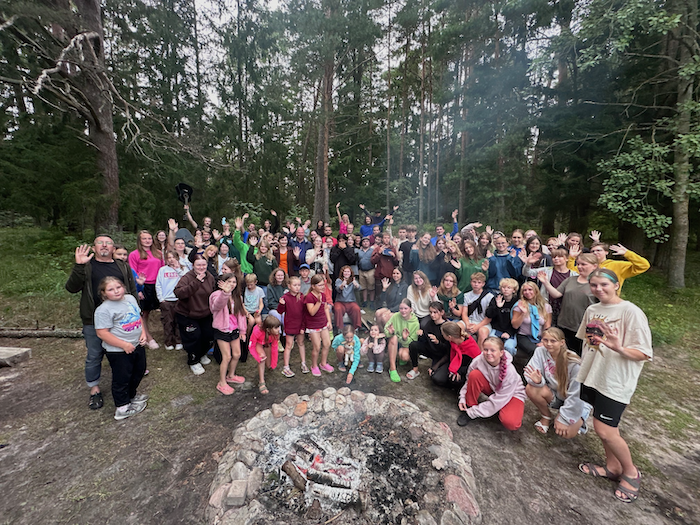
The 32nd Livonian children’s and youth summer school “Mierlinkizt” takes place.
The aim of the summer school is to ensure that Livonian children and youngsters learn, practice, preserve and innovate the Livonian language, culture, history and traditions. Approximately 60 participants, educators, and teachers spent 10 days learning and exploring Livonian heritage in language, culture, and traditions.
The Livonian children’s and youth summer school “Mierlinkizt” is one of the most enduring Livonian traditions of recent times – it has been held since 1992. The summer school is organized by the UL Livonian Institute, ensuring its gradual integration into the Livonian language, history and culture learning system developed with the support of the Ministry of Education and Science to ensure the existence and development of the language, culture and identity of Latvia’s indigenous people, the Livonians.
July 8
Institute Director Valts Ernštreits participates in the UN Information and Communication Technology Agency’s World Summit on the Information Society panel on multilingualism in the digital age.
In his presentation, V. Ernštreits spoke about the Institute’s work in this field, ensuring the Livonian voice in the digital world, as well as global initiatives to ensure the linguistic and cultural diversity of indigenous peoples.
July 5
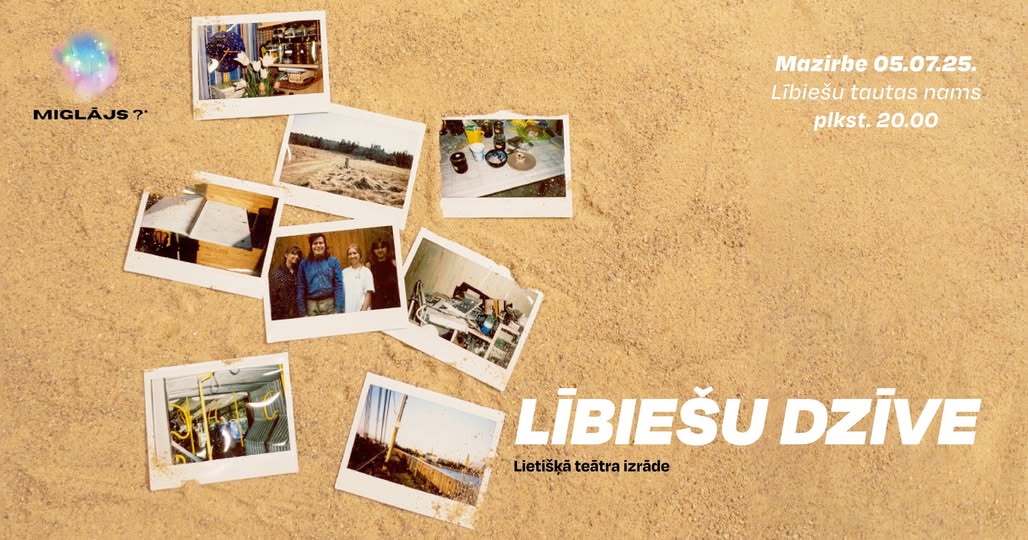
The Miglājs VEPLAGEJALA creative group performed “Lībiešu dzīve” (The Life of the Livonians) at the Mazirbe Livonian National House. The performance was created in collaboration with Livonian youth and provides insight into their view of the Livonians today.
The UL Livonian Institute supported the creation of the performance by helping to polish the Livonian language fragments that were used in the performance and created by the youngsters themselves, discussing the preparation of the performance during Livonian language lessons, and encouraging the budding Livonian artists in this and future endeavours.
June 23-27
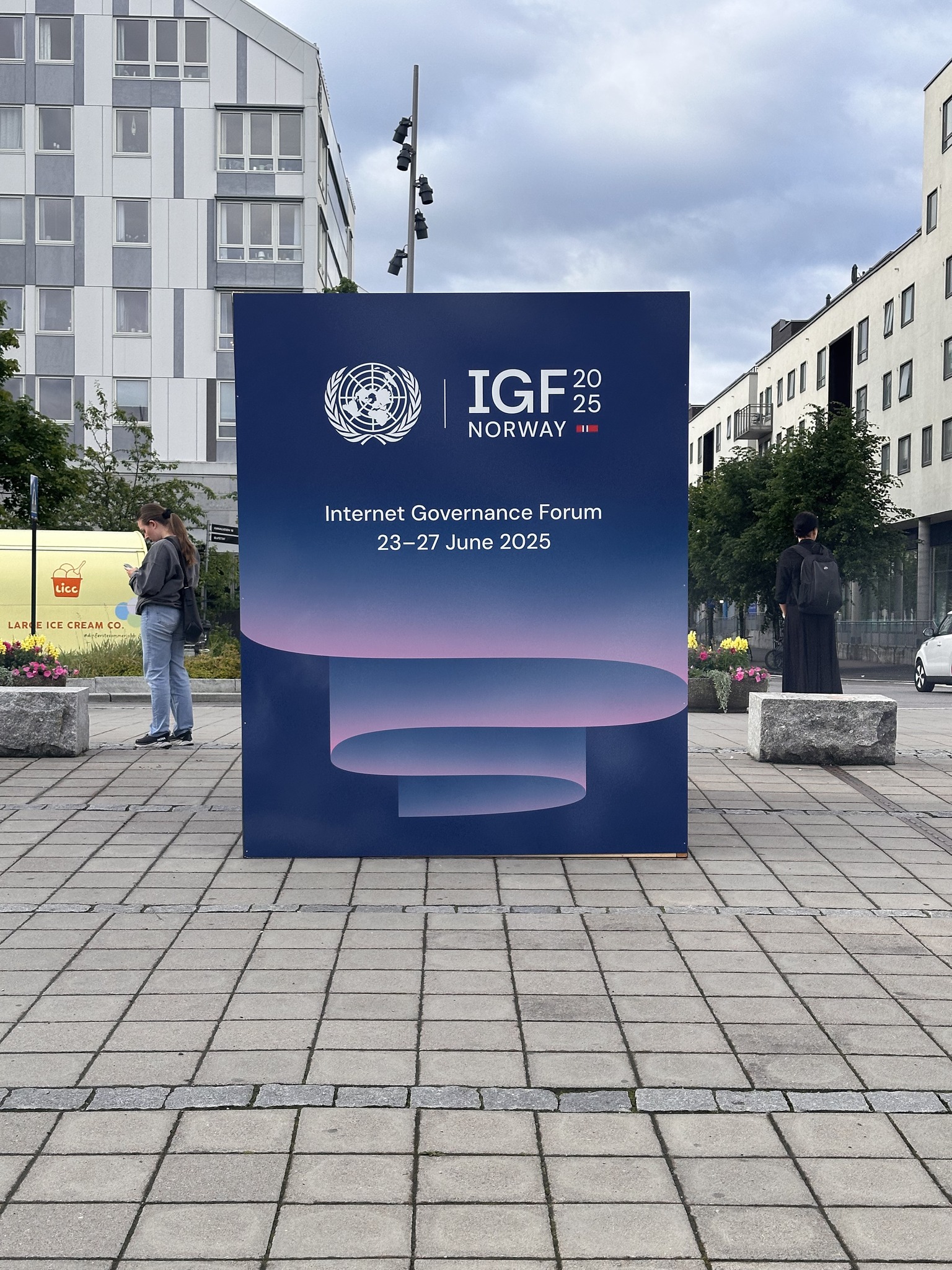
The UN Internet Governance Forum is taking place in Lillestrøm, Norway, and the institute’s director, Valts Ernštreits, is participating.
In two panels on June 26, “Strengthening Multistakeholder Participation” and “Indigenous Peoples Languages in a Digital Age”, he will speak about multilingualism and issues related to the inclusion of indigenous peoples in digital areas, and about the newly launched UNESCO publication “A Guide to Multilingualism in the Digital Age”. You can follow the forum online, more information here.
The UN IGF is a global multi-stakeholder platform that facilitates discussions on public policy issues, where stakeholders and policymakers from around the world meet to discuss technology and the digital future.
June 23
June 20-21
During the conversation festival “Lampa” several events were held in the Livonian tent organized by the Livonian Institute to introduce the Livonian language and culture.
More about the events here.
June 17
The members of the UN Permanent Forum on Indigenous Peoples for 2026–2028 have been announced, including Valts Ernštreits, Director of the Livonian Institute of the University of Latvia.
The Forum is composed of 16 members who serve as independent experts on indigenous issues for three years with the possibility of re-election or appointment for another term. Eight members are nominated by governments and eight members are nominated by the President of the Council, based on consultations with indigenous peoples’ organizations. The term of office of the new members of the Permanent Forum begins on 1 January 2026 and ends on 31 December 2028.
June 13
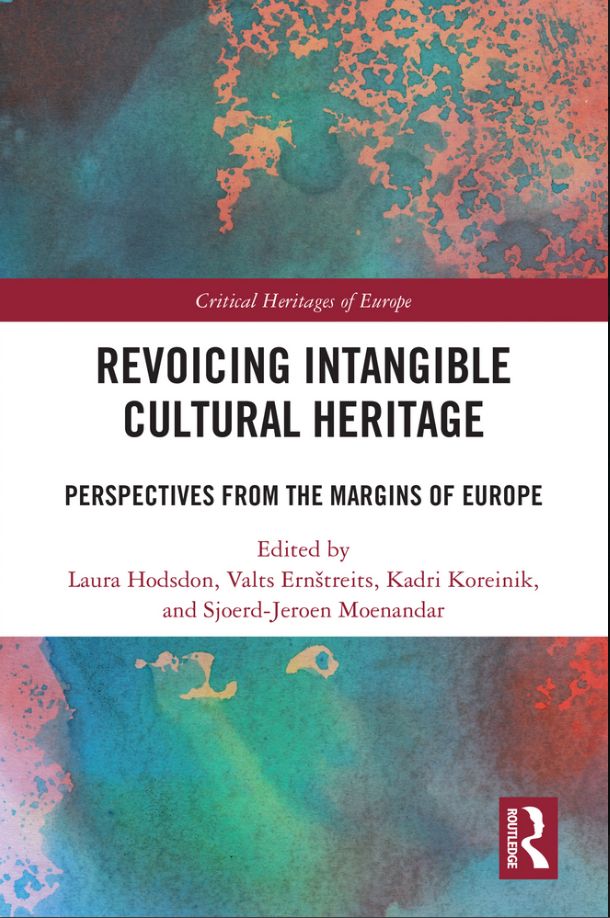
An interdisciplinary collection of chapters “Revoicing Intangible Cultural Heritage: Perspectives from the Margins of Europe” (Routledge) has been published, created as part of the Re:voice research project.
The study, jointly conducted by researchers from the University of Falmouth, the University of Groningen, the University of Tartu and the Livonian Institute of the University of Latvia, offers a comparative interdisciplinary study of the cooperation of diverse communities for the preservation of intangible cultural heritage. This publication is a significant contribution to the fields of intangible cultural heritage studies, sociolinguistics, culture, sociology, creative practice and cultural geography.
More about the publication here.
June 12-14
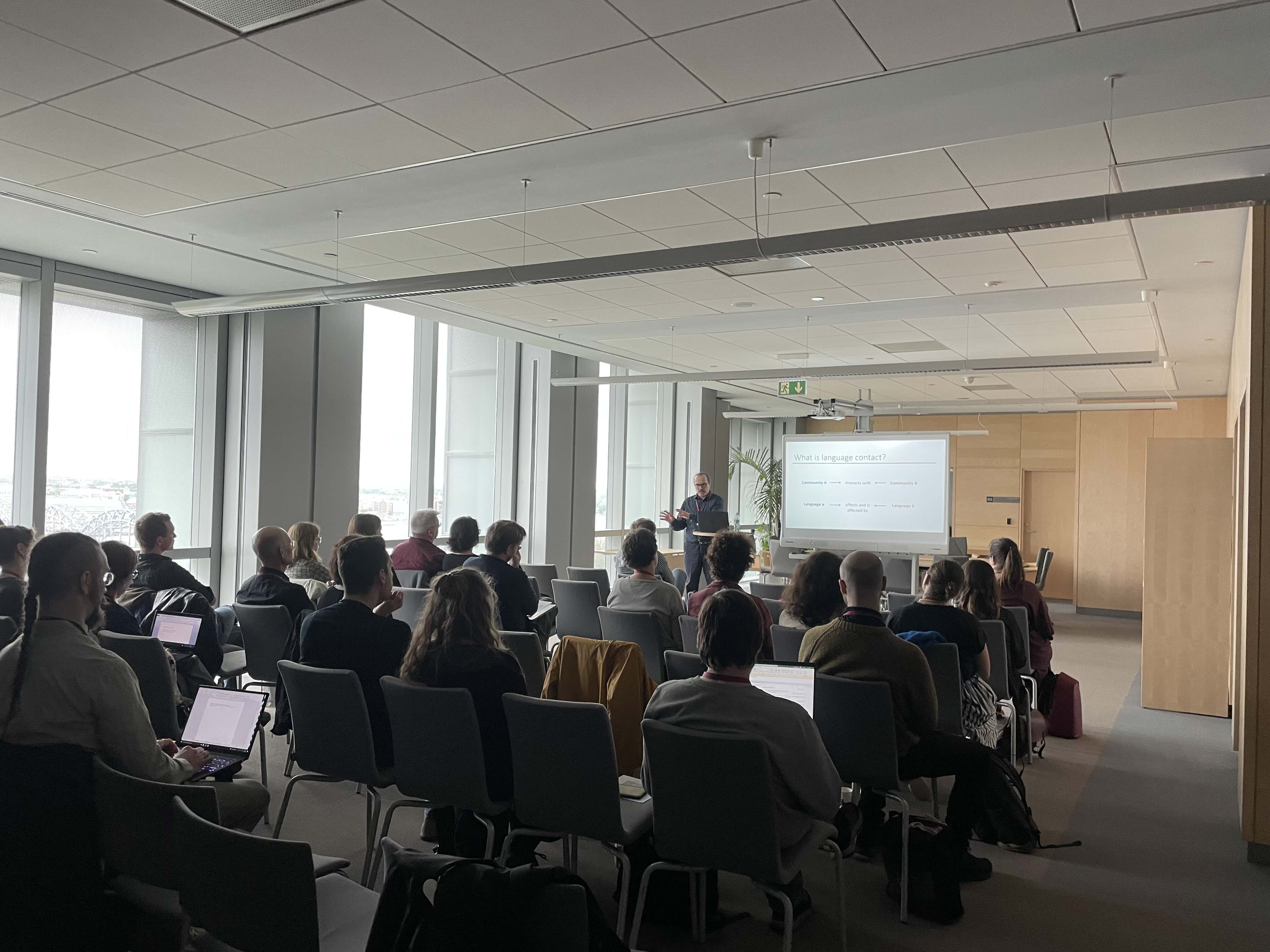
From June 12 to 14, the Latvian National Library hosted an international conference: LCU2025 “Areal linguistics and language contact of Uralic languages. Language-specific and typological approaches”, jointly organized by the Livonian Institute of the University of Latvia and the PoSla Typology Lab and the Institute of Slavic Studies of the University of Potsdam.
The aim of the conference was to combine language-specific qualitative and typological approaches in areal linguistics and language contact research, with a special focus on the Uralic languages and their contact languages.
More about the conference here.
June 9
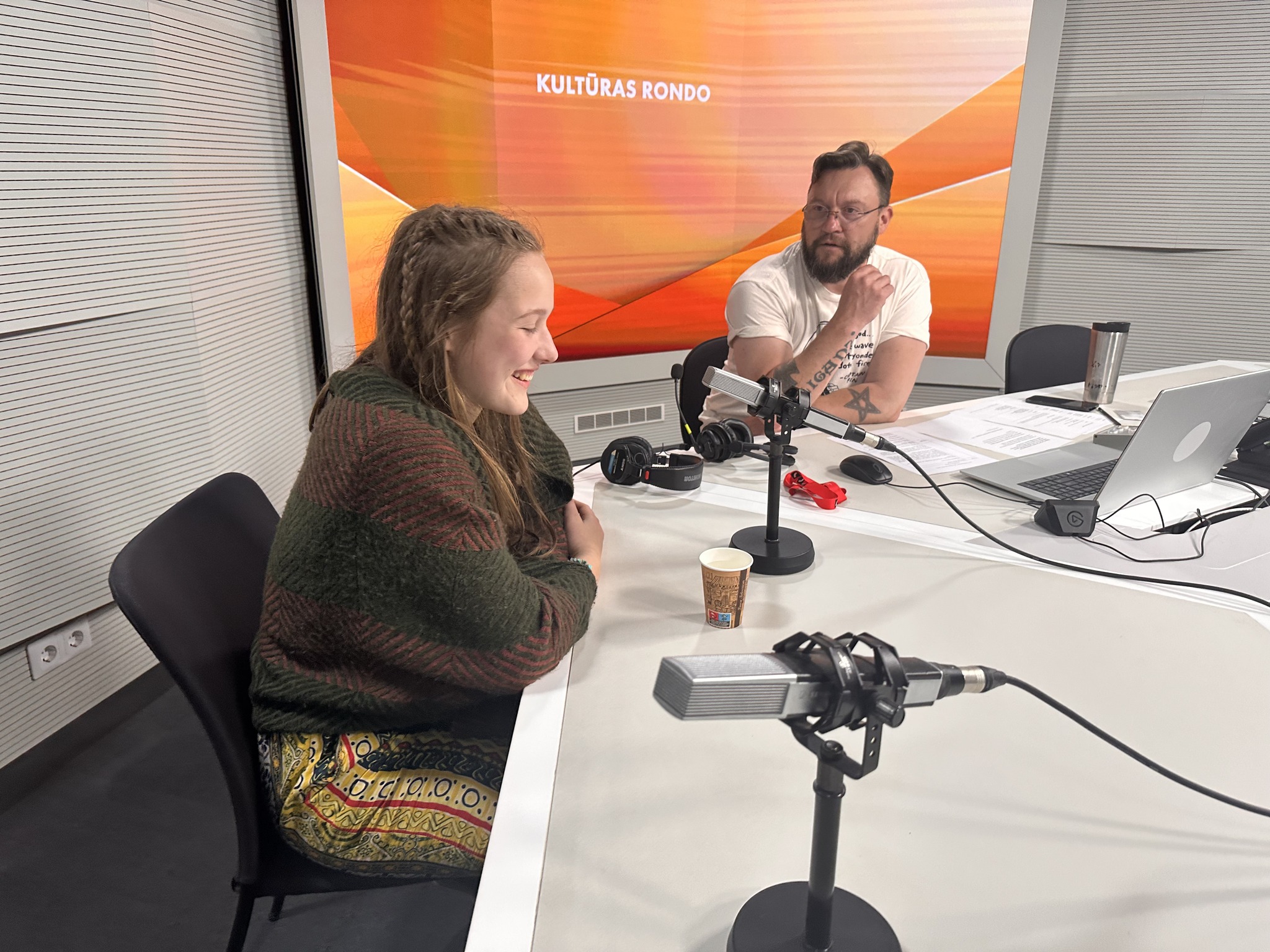
The Latvian Radio 1 program “Kultūras Rondo” showcased a conversation with the director of the institute Valts Ernštreits and a Livonian, school pupil, and speaker of the Livonian language Sofija Kūla.
It was a conversation about teaching, learning, inheritance and use of the Livonian language. They talked about the digital world and read one poem created by artificial intelligence, which was not in the Livonian language at all.
The program is available here.
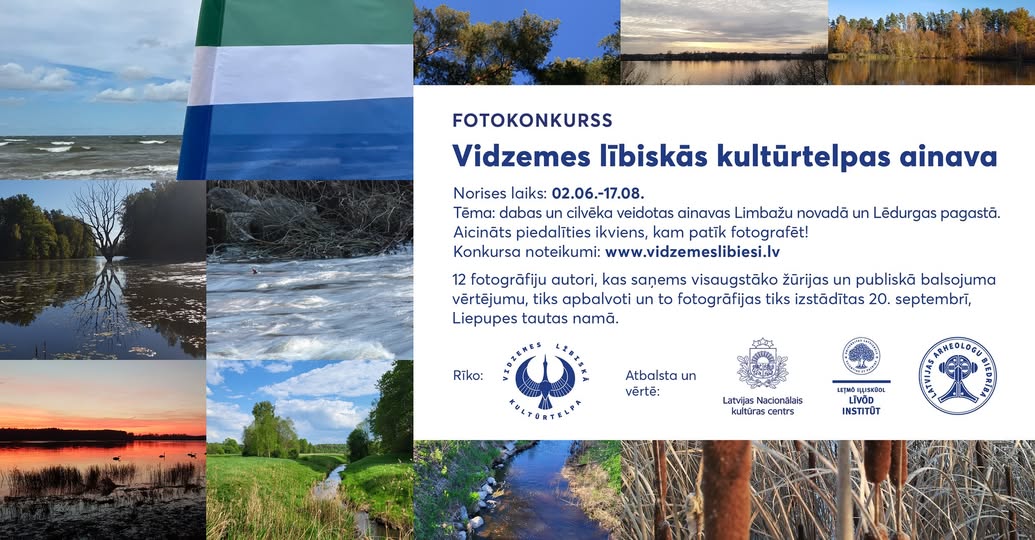
June 2 - August 17
From June 2 to August 17, the Vidzeme Livonian Cultural Space photo contest “Vidzemes lībiskās kultūrtelpas ainava” (“Landscape of the Vidzeme Livonian Cultural Space”) will be held, in which the Livonian Institute will participate in the jury of the competition.
The theme of the competition: natural and man-made landscapes that reveal the values of the Vidzeme Livonian cultural space – ancient sites, sacred sites, elements of cultural heritage, place-name landscapes, buildings, farms and people. The territorial focus of the competition is Limbaži municipality and Lēdurga parish of Sigulda municipality. Each participant can submit up to 3 photographs.
As a result of the competition, an exhibition will be created, which will be opened on September 20, 2025 at the Liepupe Community Center and will also be offered as a traveling exhibition to educational, cultural and memory institutions.
More about the competition here.
May 30
The regular Livonian language classes for youngsters during the 2024/2025 academic year have successfully concluded.
Over the course of the lessons, more than 10 Livonian youngsters, alongside researchers from the Livonian Institute, mastered and improved their Livonian language skills. After a very long break, this was the first time that, with the full support of the Ministry of Education and Science, the opportunity to learn their language was also provided to the indigenous inhabitants of Latvia – the Livonians. We are pleased with the truly powerful group of future Livonian language preservers, who are already trying to use the Livonian language not only in mutual communication, but also in their creative projects – creating new compositions, modern dances and theater performances, and creating new works of Livonian literature.
May 27
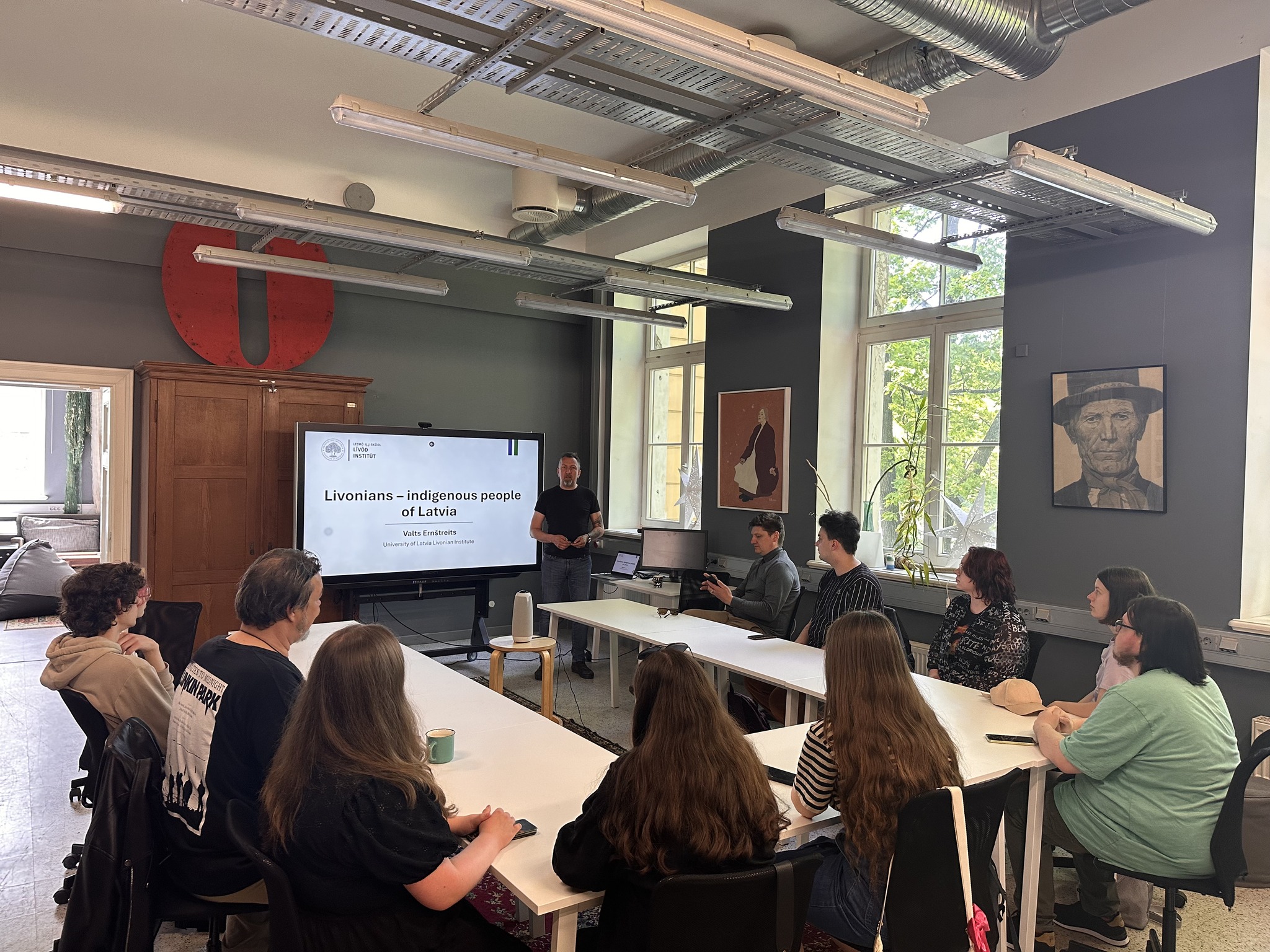
Today the institute welcomed guests: students and their lecturers from A. Mickiewicz University in Poznań.
They are dedicating part of their visit to learning about the language, culture and heritage of the indigenous people of Latvia – the Livonians.
May 23
The latest poems by Ķempi Kārl in the Salaca Livonian language: “Vaga edriksub”, “Tüa rānd”, “Tempi sie rāndas”, “Ķeg edriksub” are available here.

May 23-24
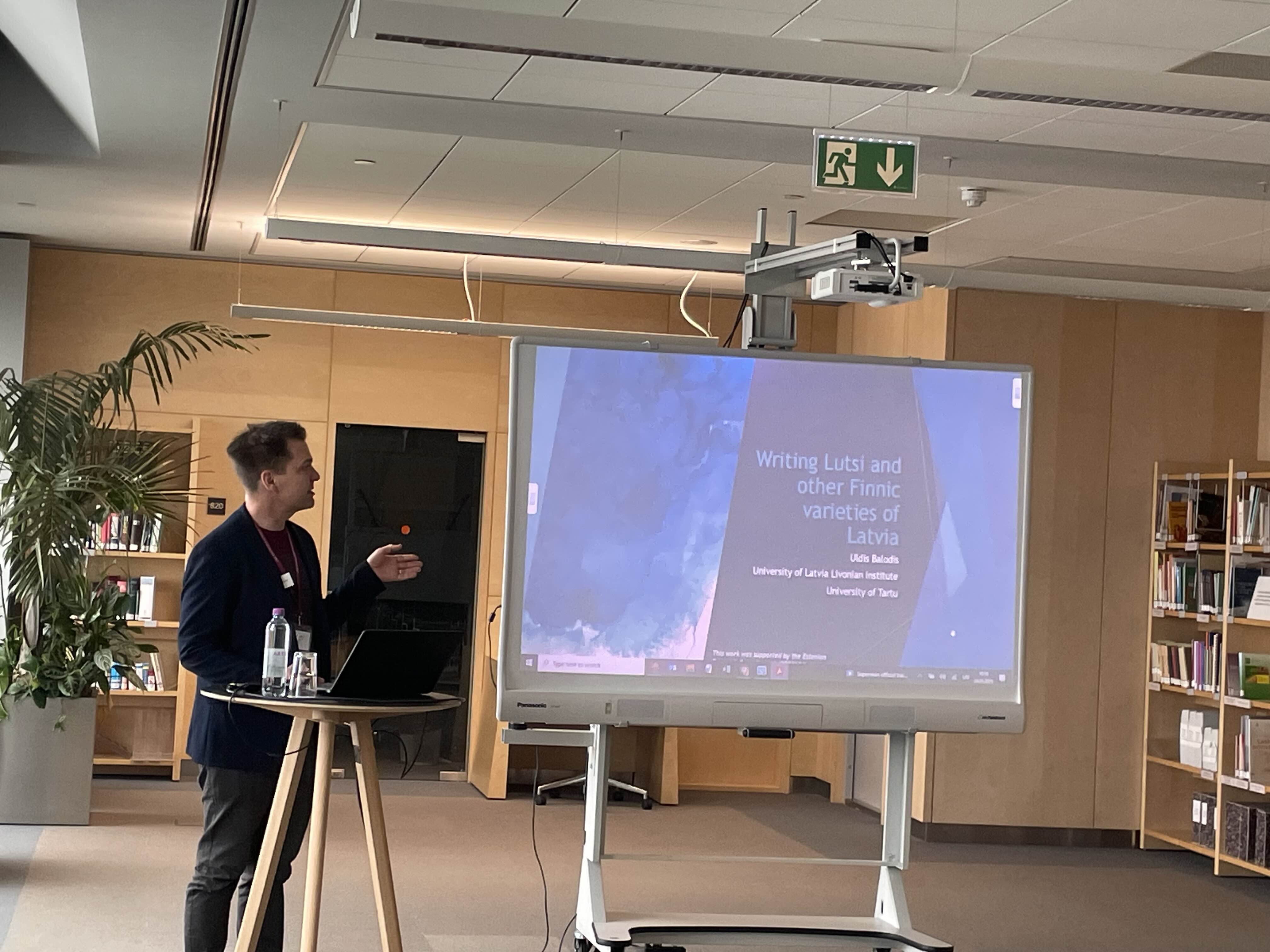
The Latvian National Library hosted a joint conference of Estonian and Latvian language researchers “500 Years of Latvian and Estonian Books and Written Languages”, dedicated to the role of books in the history of the language.
At the conference, Valts Ernštreits, leading researcher at the Livonian Institute of the University of Latvia, spoke about the creation of a Livonian language standard, and researcher Uldis Balodis spoke about the Ludza Estonian script and other variants of the Baltic Sea Finnic languages in Latvia. The conference program is available here.
May 16-18
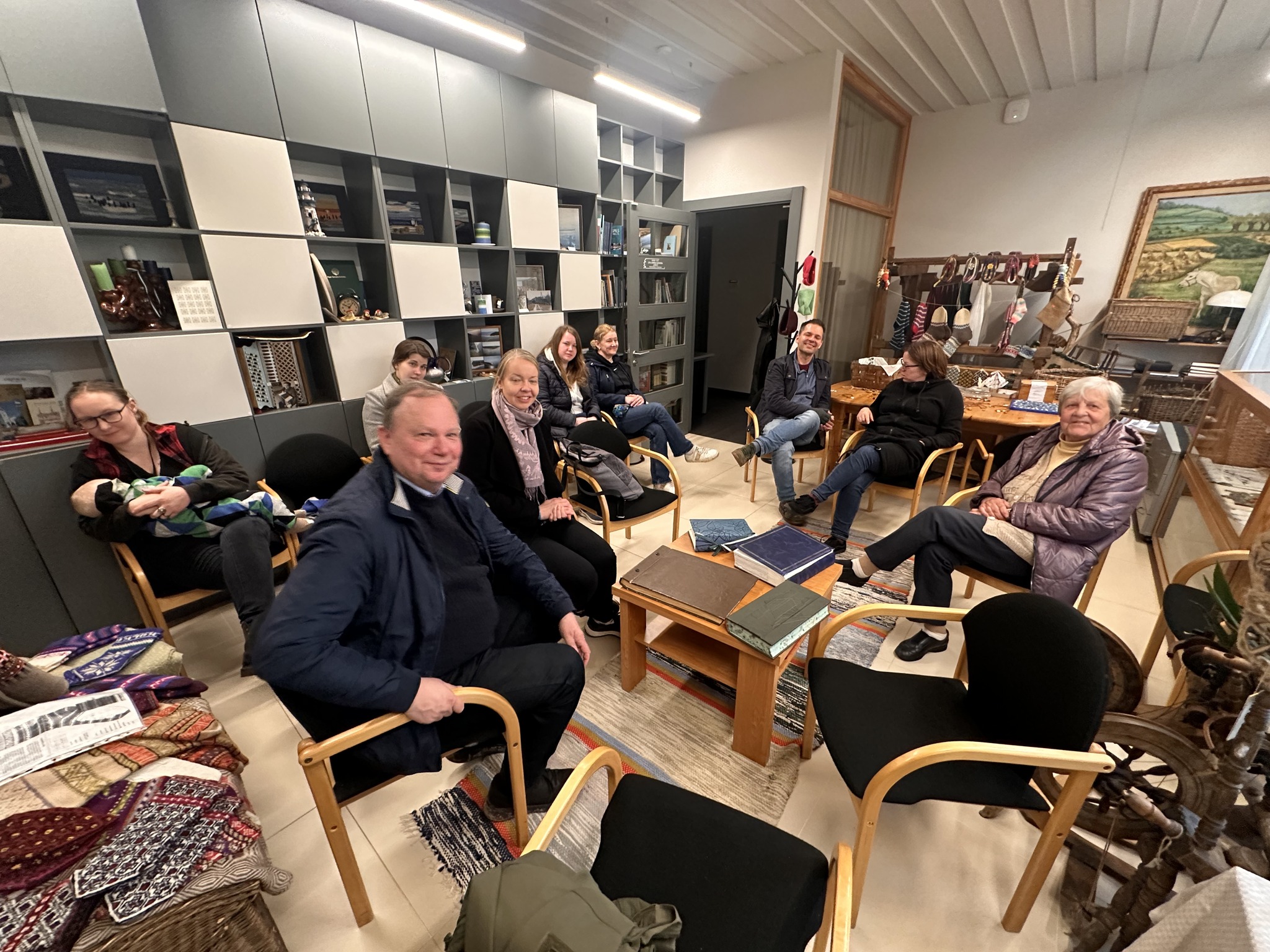
A seminar organized by the Livonian Institute of the University of Latvia and the Institute of Estonian and General Linguistics of the University of Tartu took place in Kuoštrõg and Kolka.
The seminar was dedicated to current projects related to Livonian topics, questions and problems that have arisen during regular Livonian language learning classes, and planning the necessary teaching aids and resources for further Livonian language learning.
May 16
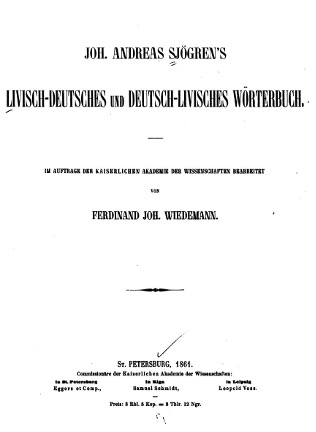
The institute’s blog post describes the first Livonian dictionary and grammar, written in the mid-19th century and published in St. Petersburg in 1861.
The post is available here.
May 14
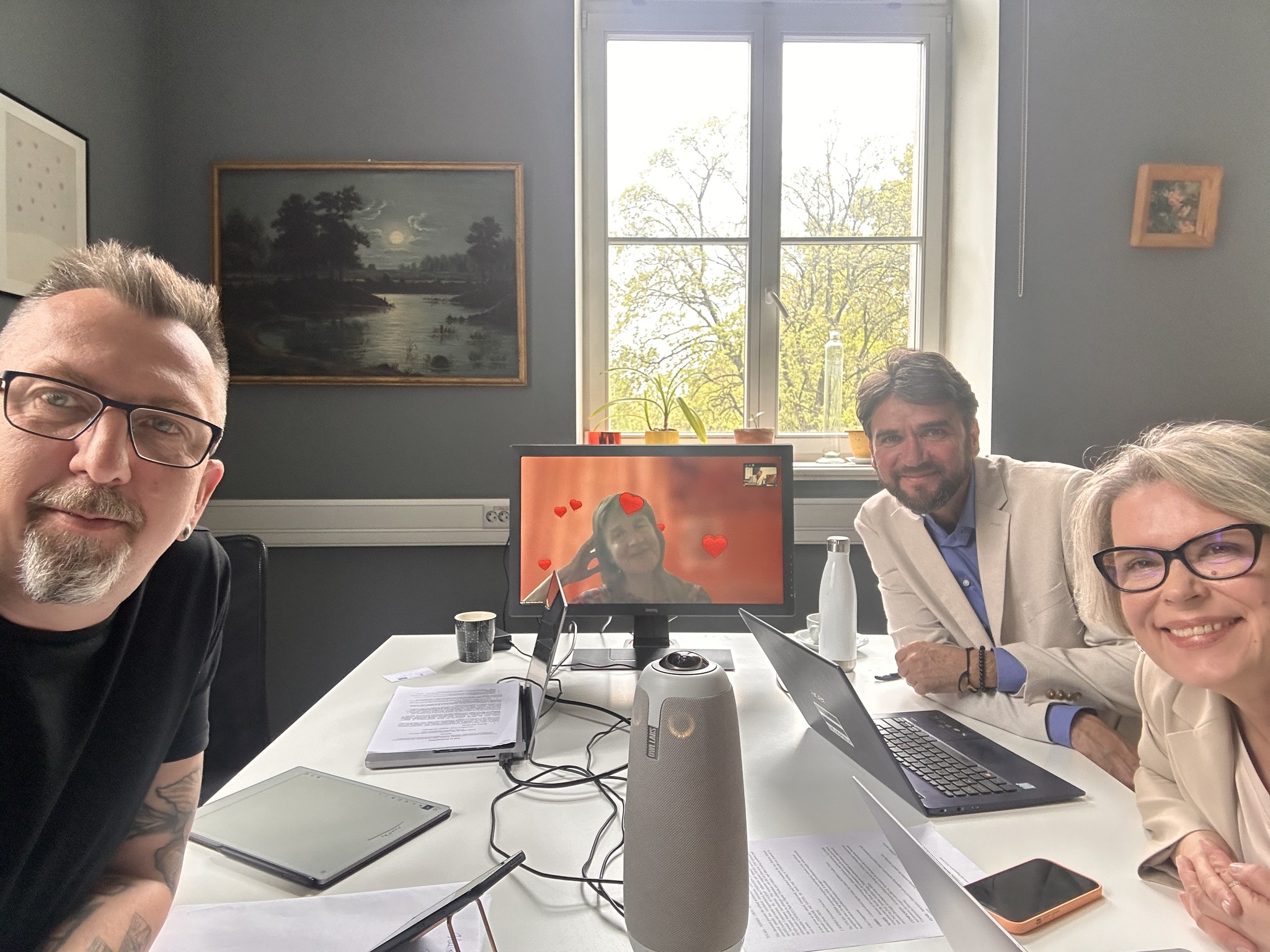
The Institute hosted a meeting with the head of the UNESCO Hungarian National Commission, Dr. Gabor Soos, UNESCO Latvian National Commission General Secretary Baiba Moļņika and Adviser to the Minister of Culture, Rūta Muktupāvela, on cultural policy issues.
During the meeting we discussed opportunities for cooperation and the use of modern research tools in the field of intangible cultural heritage.
May 13
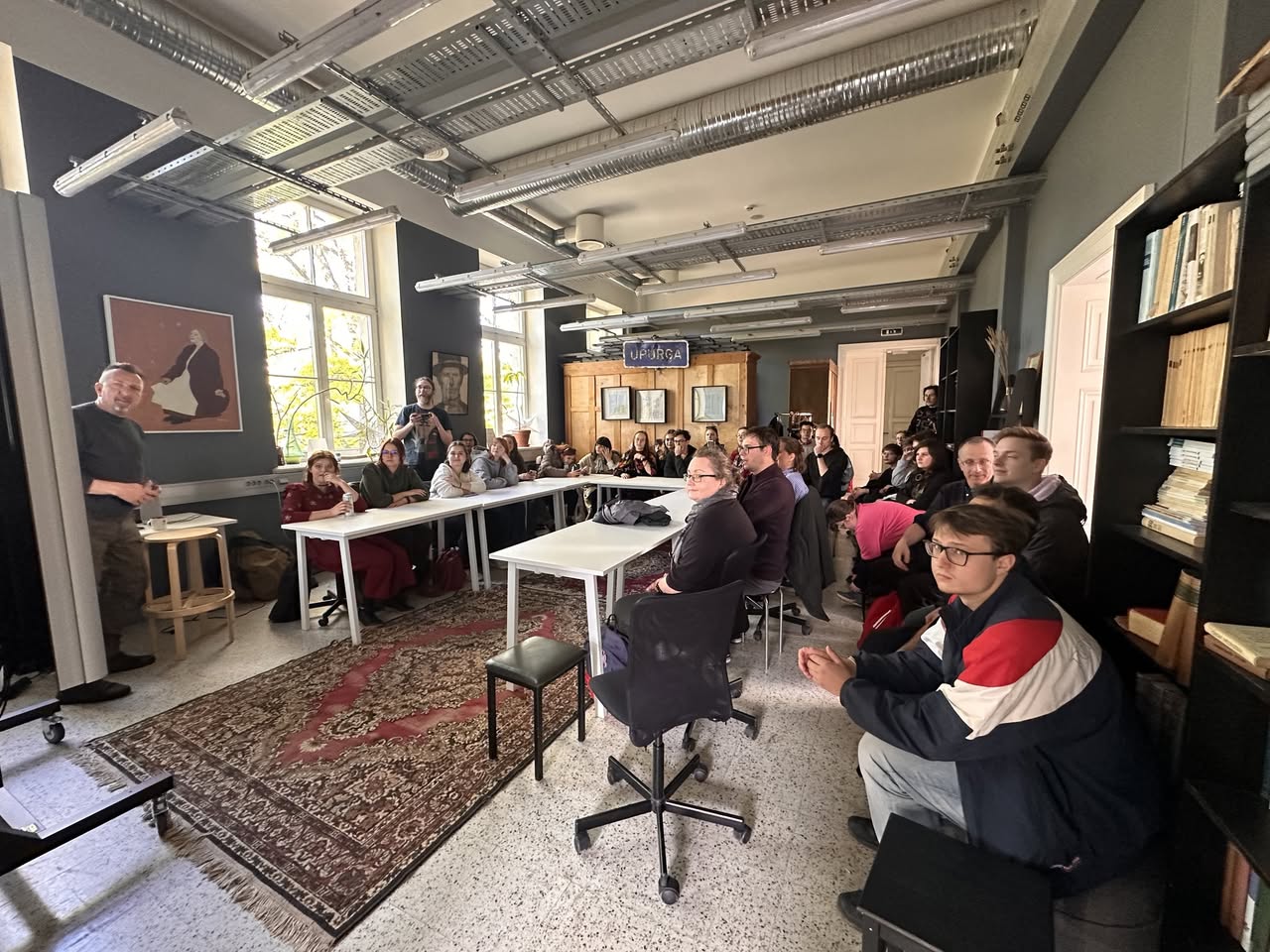
Almost 50 students studying Finno-Ugric languages took an introductory course on the Livonians at the institute and are going on a field trip to get to know the Livonians and their heritage – both in Latvia and on the Livonian coast. Thank you, Łukasz Sommer, for the idea and initiative!
May 9
May 4
April 28
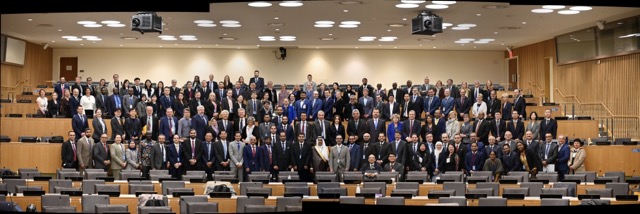
The expert from the Livonian Institute of the University of Latvia has been appointed as a coordinator between the UN Group of Experts on Geographical Names, the UN Permanent Forum on Indigenous Peoples, and the Global Coordination Group for the UN International Decade of the World’s Indigenous Peoples (2022–2032).
April 28
Meta and the University of Latvia have signed an agreement to establish a partnership in the development of language technologies, making the Livonian Institute of the University of Latvia part of the Meta Language Technology Partner Program.
This partnership will facilitate the exchange of data, knowledge and technology to promote the development of language technologies for indigenous, underrepresented and endangered languages.
April 24-26
The 16th AABS European Baltic Studies Conference “Converging Paths: The Baltic Between East and West” took place at the University of Cambridge.
The conference featured researchers from the Livonian Institute of the University of Latvia Gunta Kļava presented a paper entitled “Changes in language attitudes and behaviour to reinstate proficiency of Livonian”, and Bridget Moran-Nae and Anna Sedláčková presented a paper entitled “Sustainable revitalization strategies for Livonian and other endangered communities of the Baltic region”.
More about the conference here.
April 21 - May 2
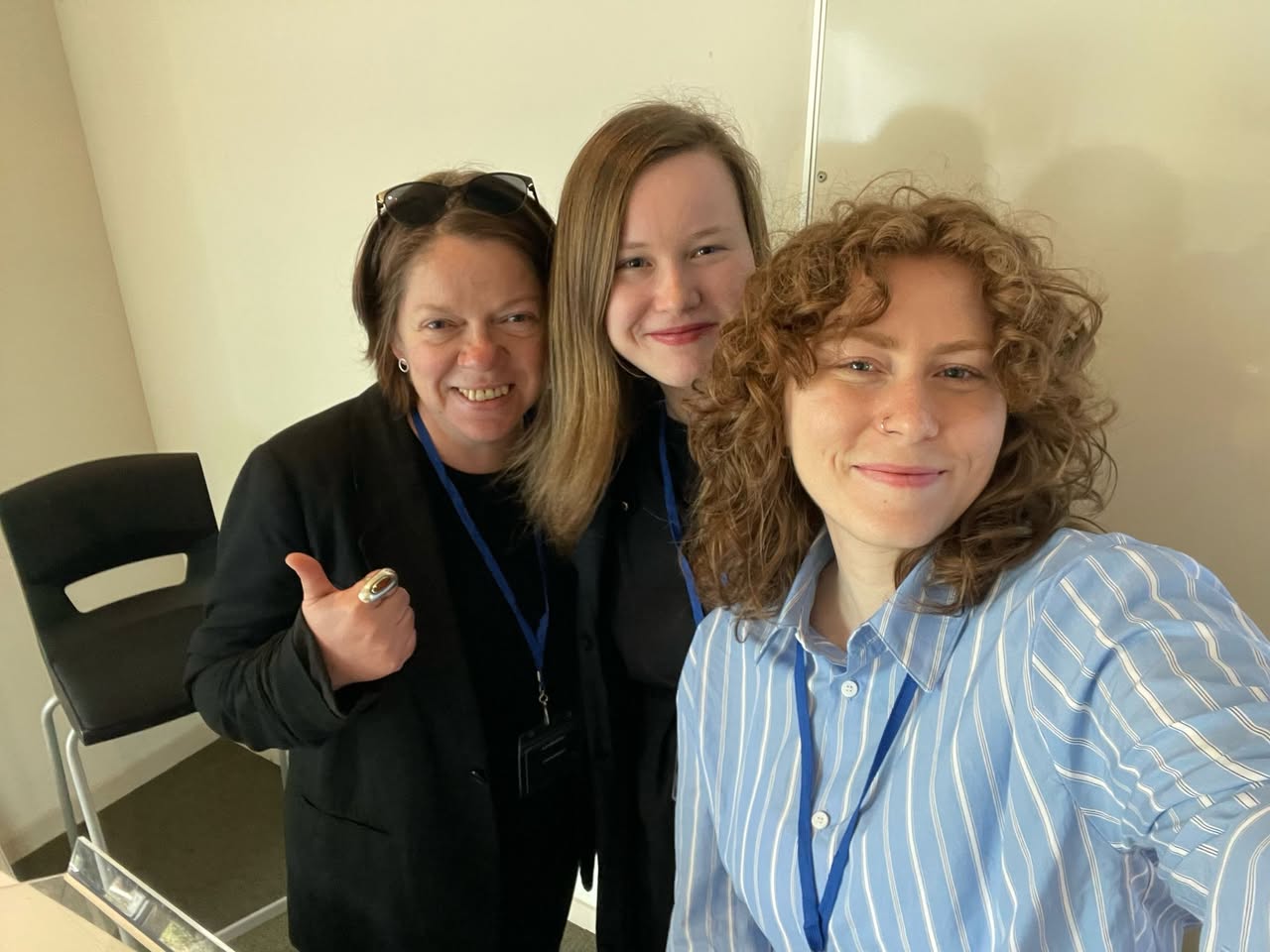
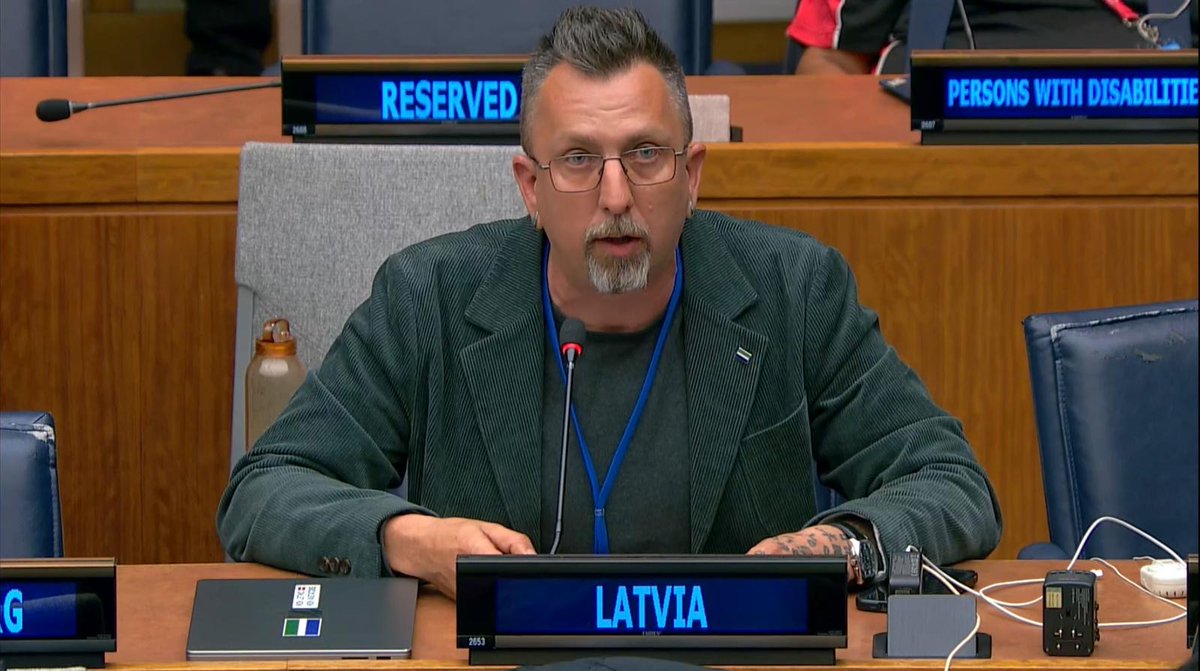
The 24th session of the UN Permanent Forum on Indigenous Languages took place in New York, with Valts Ernštreits, director of the Livonian Institute of the University of Latvia, participating as a representative of Latvia and the Livonians.
During the forum, many issues relevant to indigenous peoples were discussed and new initiatives, possibilities for cooperation and policies were created.
April 21
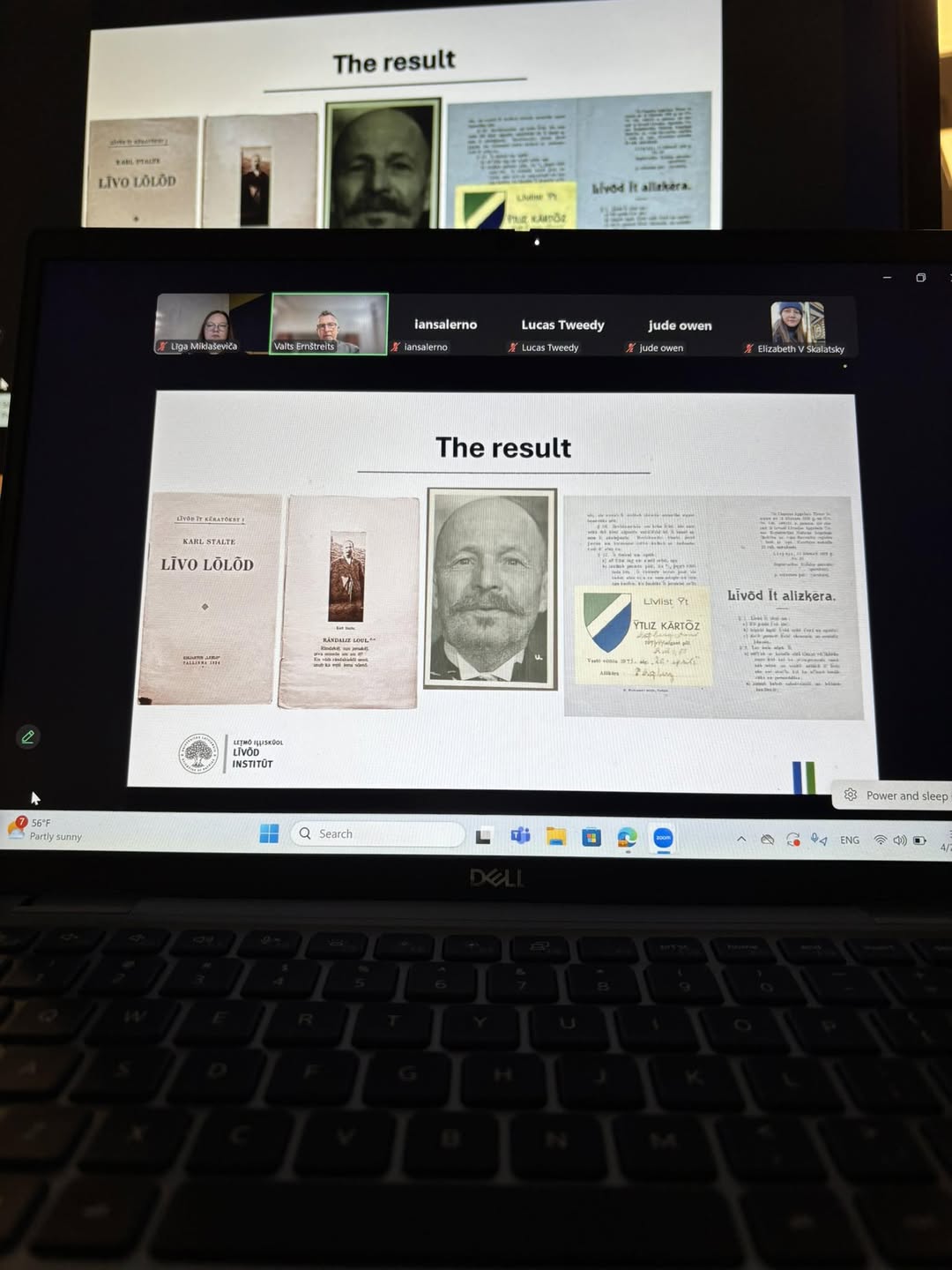
The director of the institute, Valts Ernštreits, visited the students of Washington University who are studying Latvian culture, and gave them a lecture on the Livonian language and culture.
Thanks to lecturer Līga Miklaševiča for the invitation and to the students for their active participation and questions!
April 20
April 16
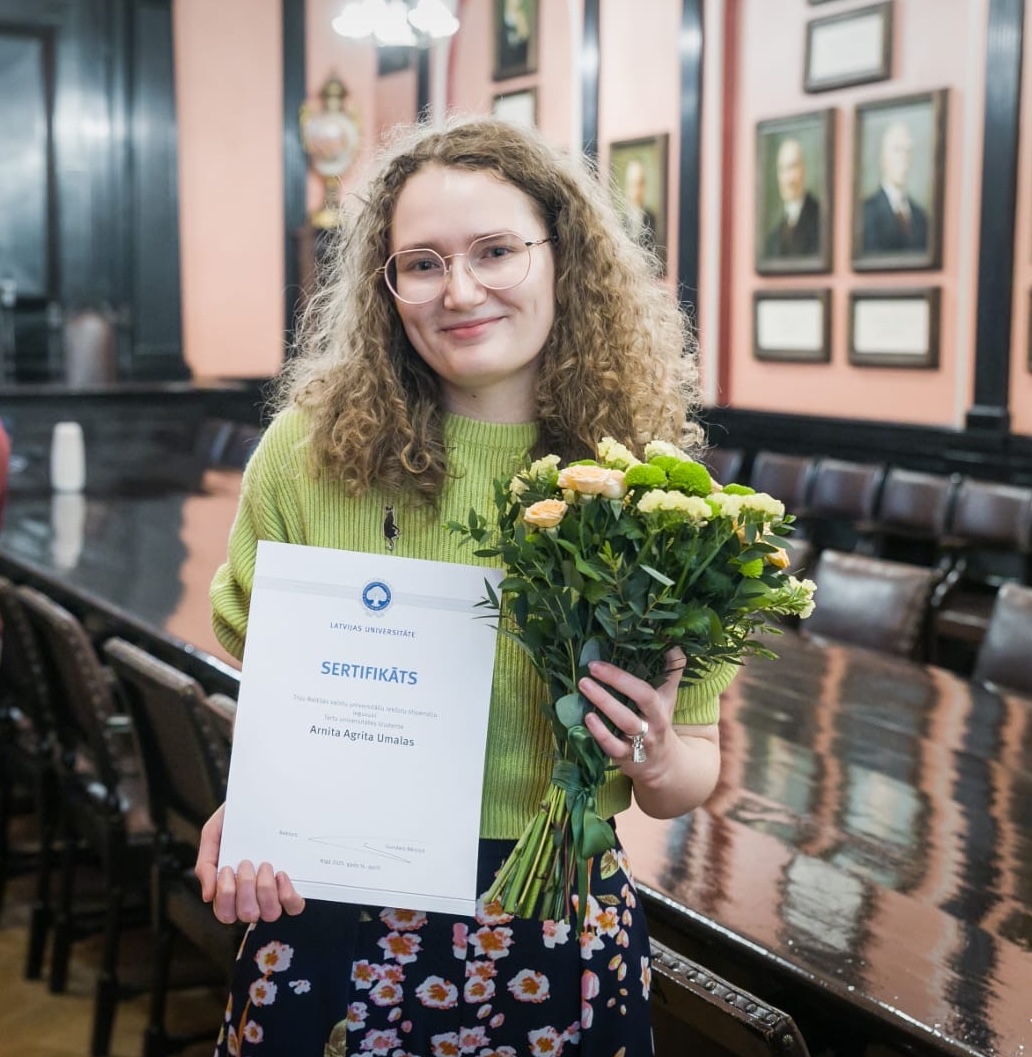
Arnita Agrita Umalas, an employee of the Institute, a future researcher, and a student at the University of Tartu, has won the Three Rectors’ Scholarship, which was presented this year at the University of Latvia.
Congratulations, we are proud of you!
April 6
From 2022 to 2024, the Livonian Institute participated in the ERASMUS+ cooperation project REMODUS with many other European universities, where the languages of the Uralic language family are researched and learned.
This project included many lectures and classes on these languages and cultures, language study courses, including a Livonian language course. Many of them can be listened to on the smart project website of the University of Vienna. Available here.
April 4
The Director of the Livonian Institute, Valts Ernštreits, has been elected as a member of the UN Permanent Forum on Indigenous Issues for the period 2026-2028.
March 23
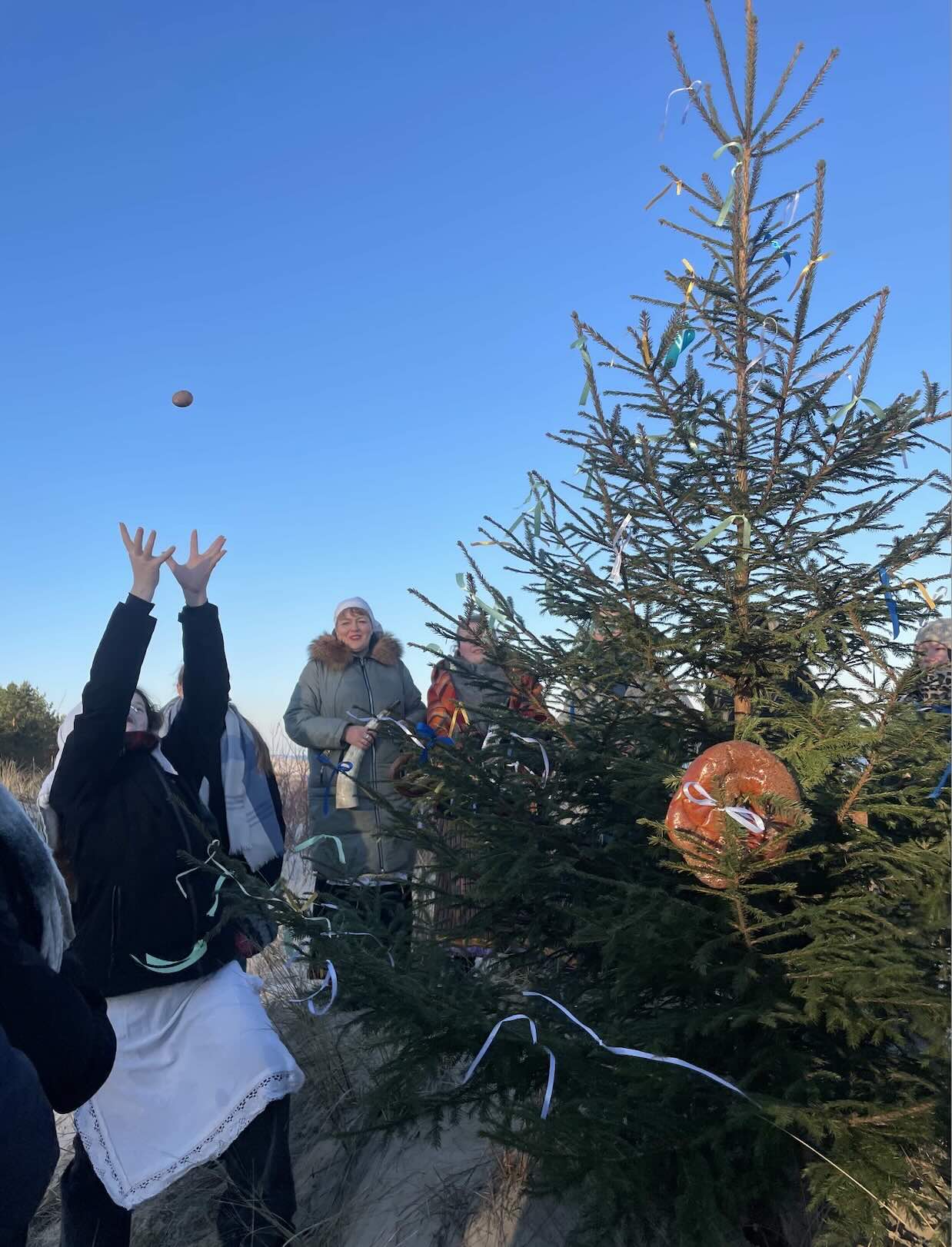
On Livonian Heritage Day, we woke up the birds in Košrags together with children and youngsters who are learning the Livonian language and nurturing and shaping the future of Livonian culture.
Tšītšōr!
TV9Pakalni reports.
March 23
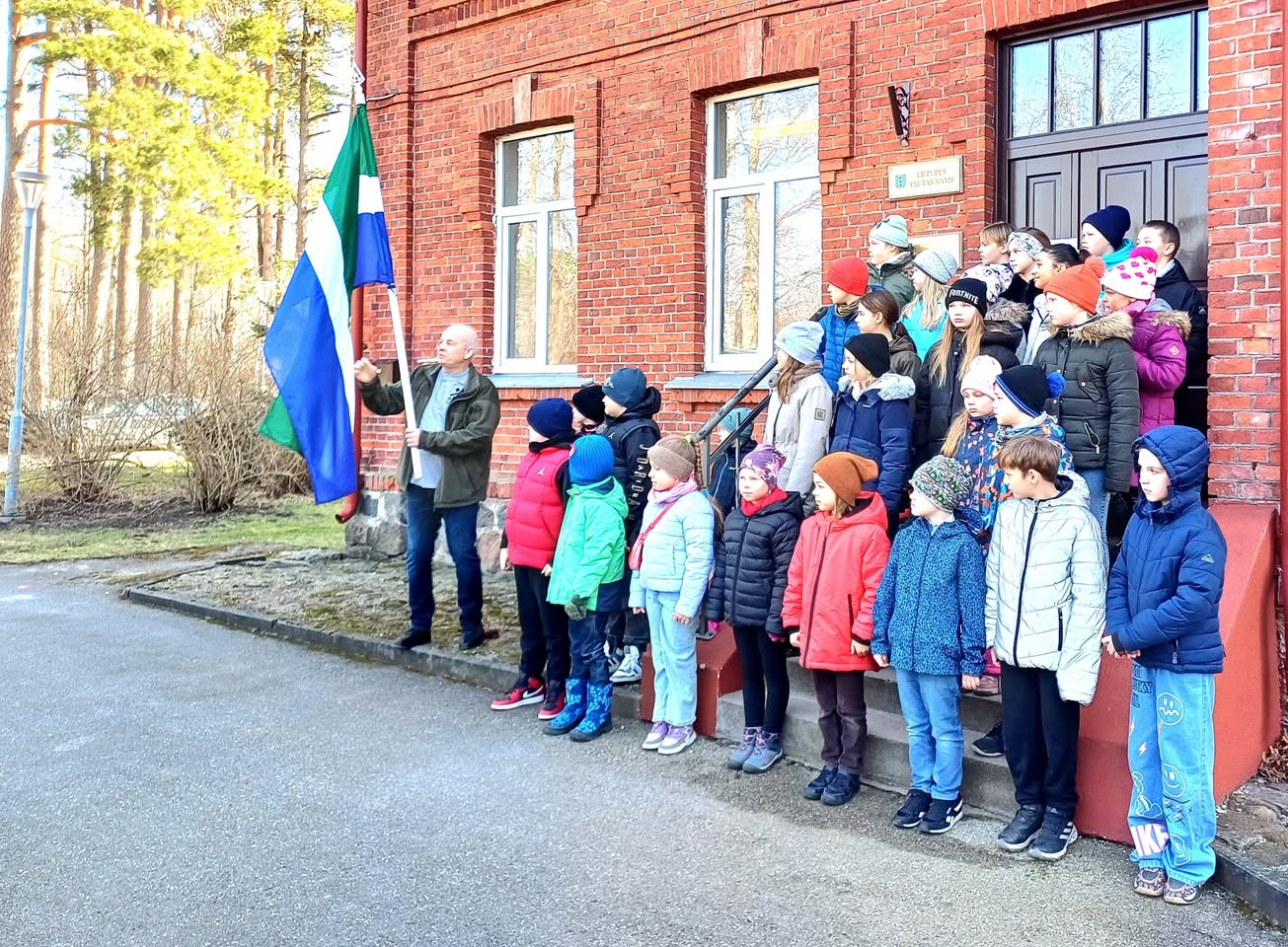
March 23 is Livonian Heritage Day! This year too, it is celebrated with Livonian flags and birdwatching in all the vast regions of Latvia once inhabited by Livonians, from Ainaži and Ikla to Aizkraukle and Kolka.
More about the locations of the birdwatching in 2025 can be found on libiesugads.lv, and a video and photo review of various events on the Facebook page of the Livonian Institute of the University of Latvia.
March 20
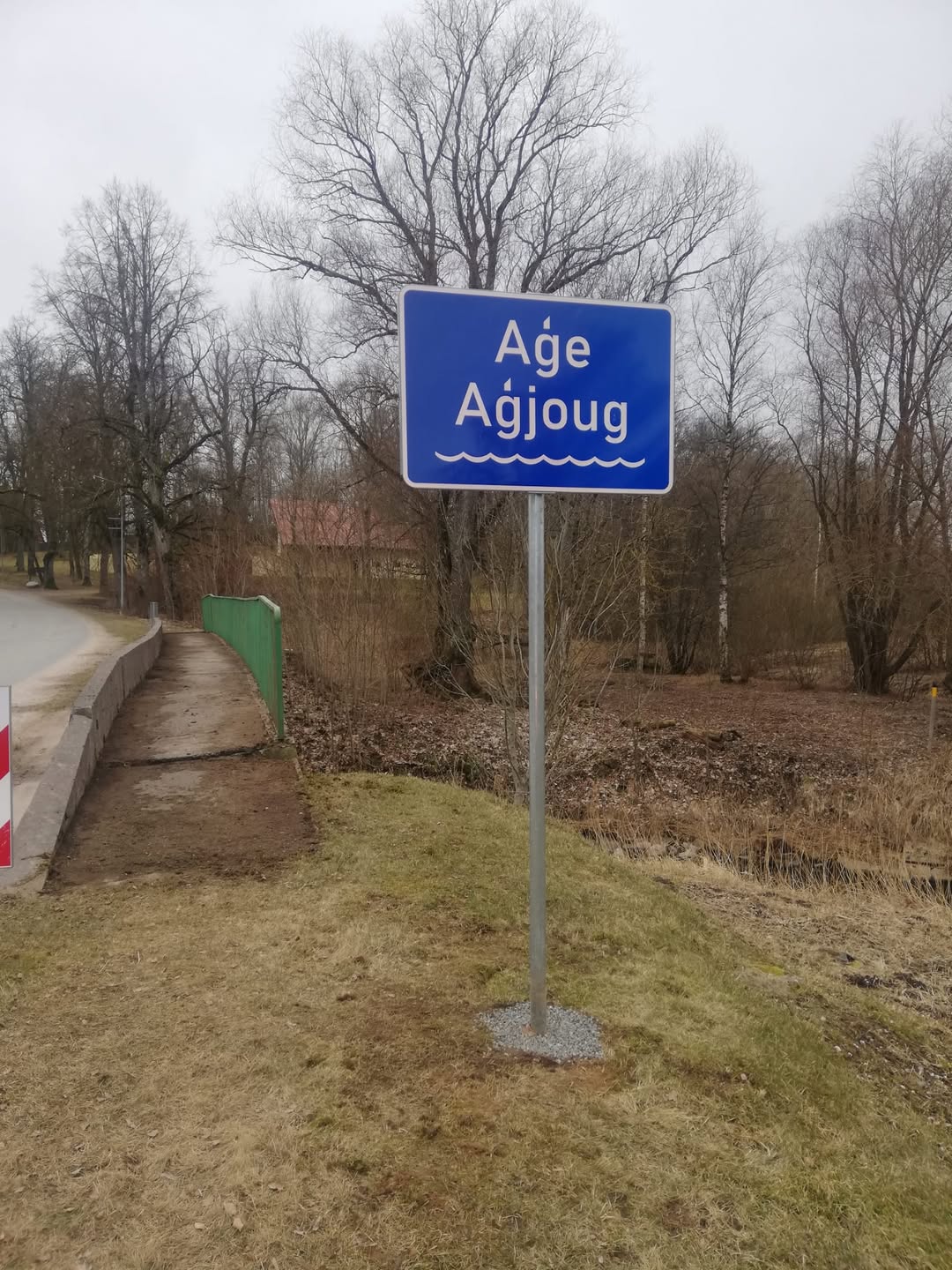
In Lēdurga, with the special care of the Sigulda municipality, the first sign in the Salaca Livonian language was installed near the Aģe River.
Our particular thanks goes to the head of Sigulda municipality, Linards Kumskis.
March 17-20
The director of the Livonian Institute, Valts Ernštreits, gave guest lectures to students of Vilnius University.
During the lectures, the students learned about the Livonian language, culture, history, the problems of creating Livonian language resources, and other topical issues in Livonian language research.
March 14
On March 14, the course “Livonian Language and Culture” organized by the Livonian Institute of the University of Latvia for RTU Liepāja cultural management students was concluded.
During the course, 17 cultural management students also developed their own ideas and proposals on how to make the Livonian language and culture more visible. In addition, many ideas also included the possibilities of using artificial intelligence.
We can say with satisfaction that there are excellent future employees of the cultural sector in Liepāja, who are both creative and knowledgeable. And we hope that the knowledge about the Livonians that we have provided will also be useful on their future path. Special thanks to Uldis Drišļuks for the proposal he once made to us!
March 11
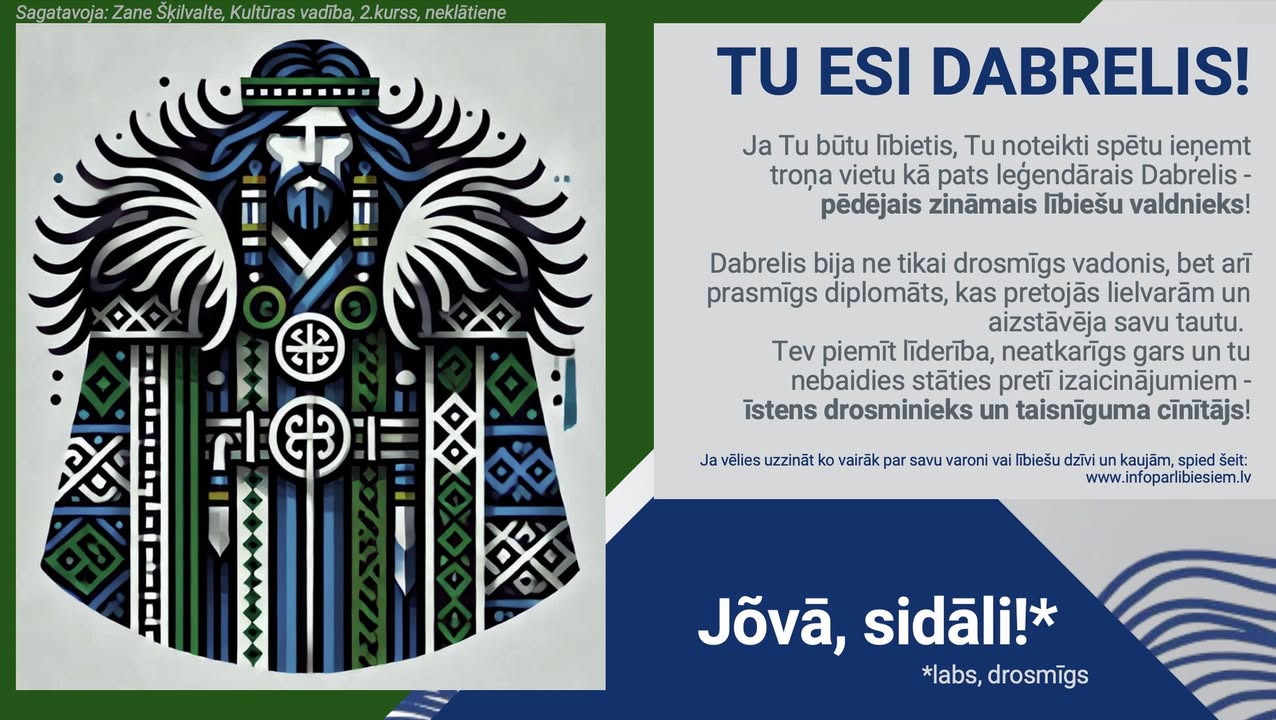
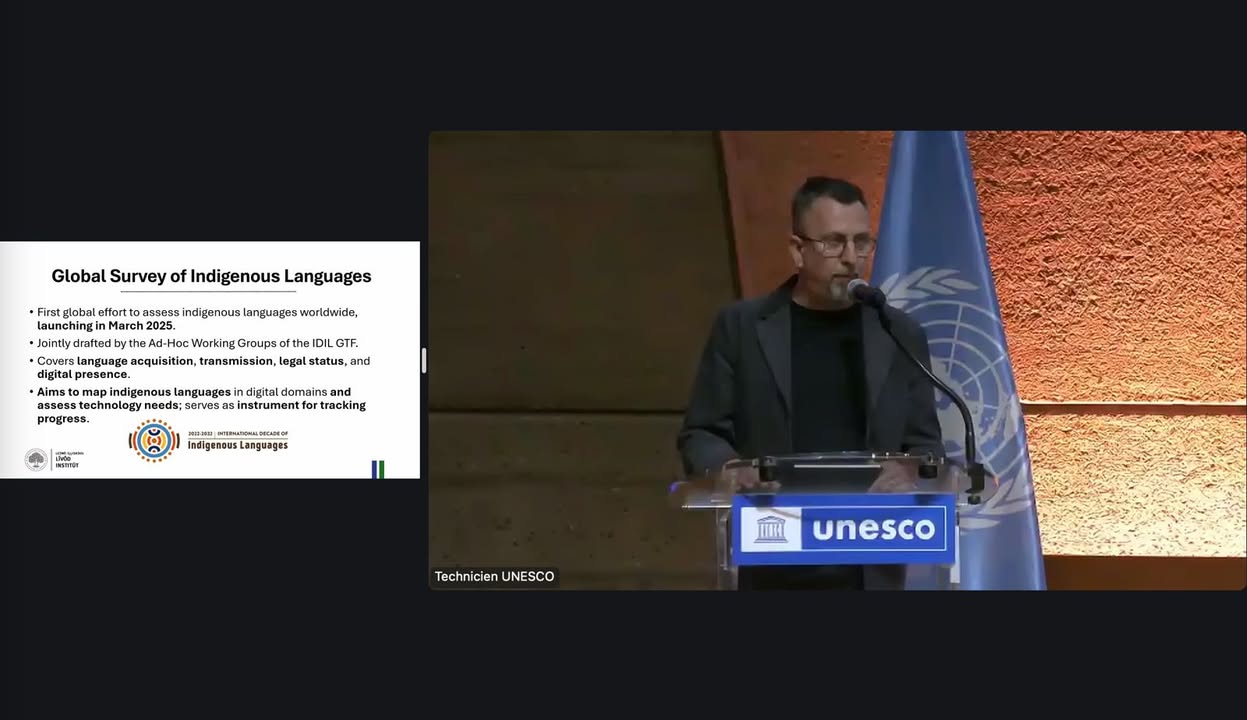
The UNESCO headquarters in Paris announced the most significant achievement of the Livonian Institute of the University of Latvia on a global scale so far – the first global survey of indigenous languages, which also includes a section on digital equality and areas of use of indigenous languages, which was mostly developed at the institute.
This survey is unique. It was created in collaboration with many world-class experts. It is also the result of our long and difficult journey, studying the representation and future of less visible languages and cultures in the digital world. Thank you to our wonderful colleagues around the world who made this possible!
And this is just the beginning, because we are already creating a UNESCO roadmap for language technologies and multilingualism in the digital environment along with colleagues from all over the world. Simply put – the language ecosystem of the future digital world.
More about the survey and the survey itself here.
March 10
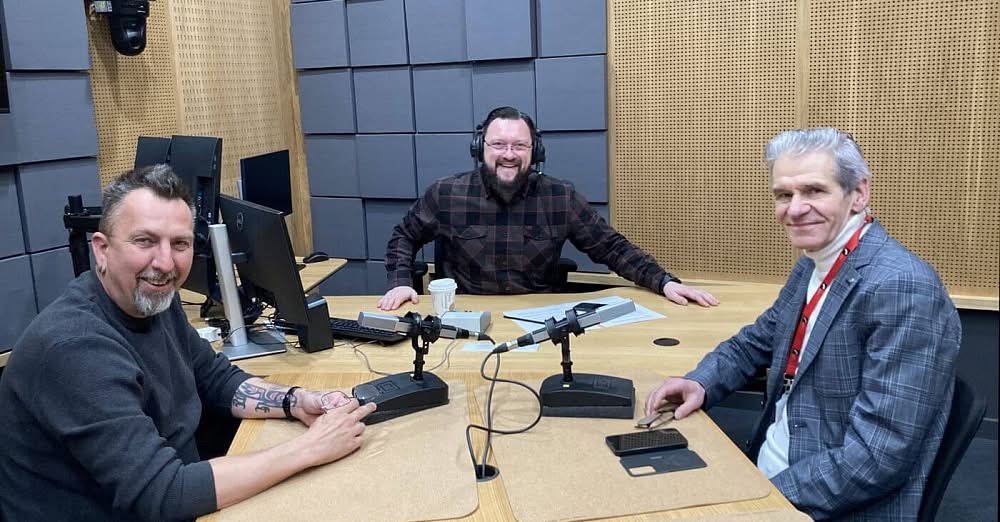
Latvian Radio 1’s program “Kultūras Rondo” featured a conversation about Livonian Heritage Day and the surprises to come, Livonian heritage in Latvia, and the Livonians of the Gauja River.
The conversation with Valts Ernštreits and Guntis Zemītis can be listened to here.
March 8
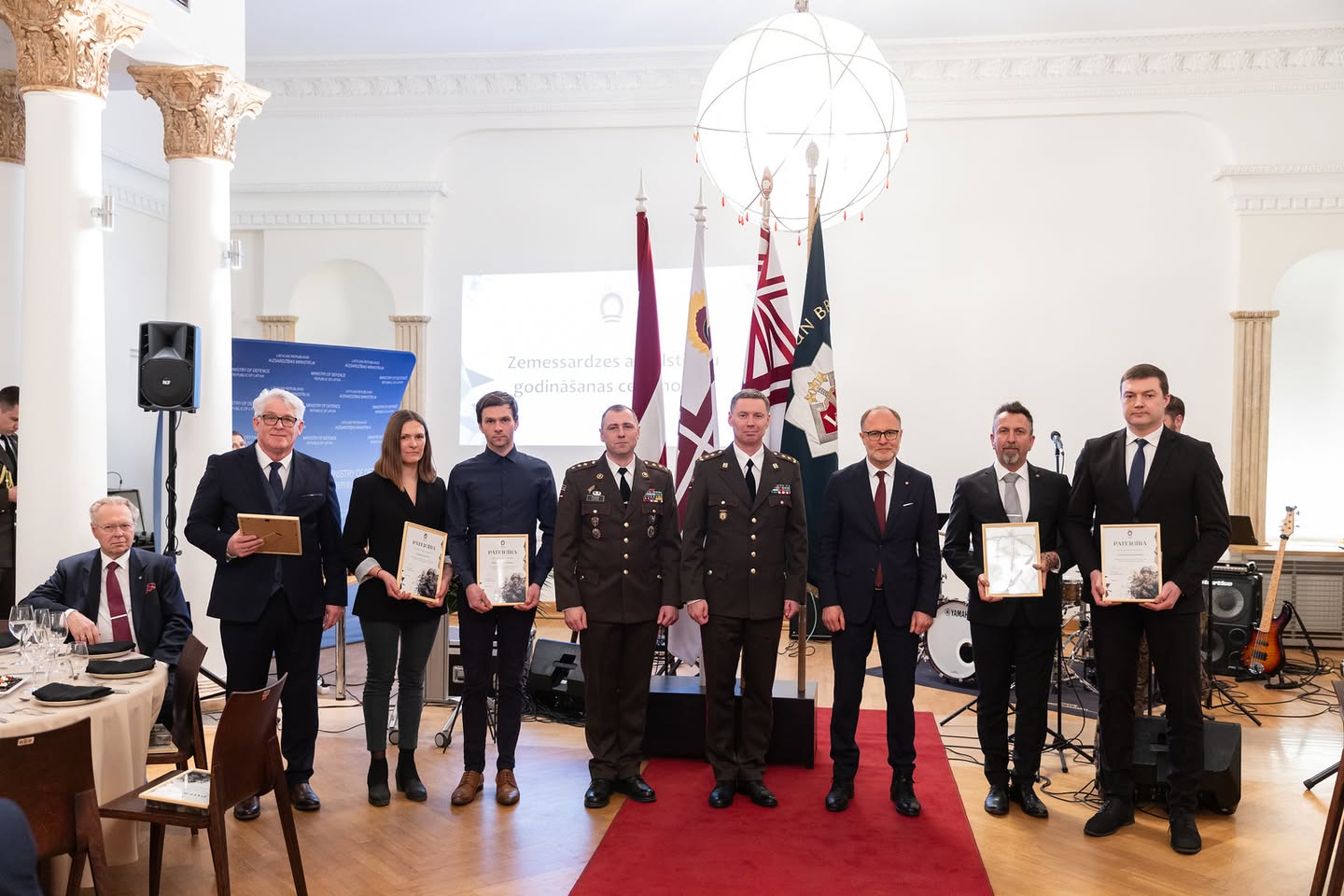
The Livonian Institute of the University of Latvia received a letter of appreciation for its support to the Latvian National Guard in 2024.
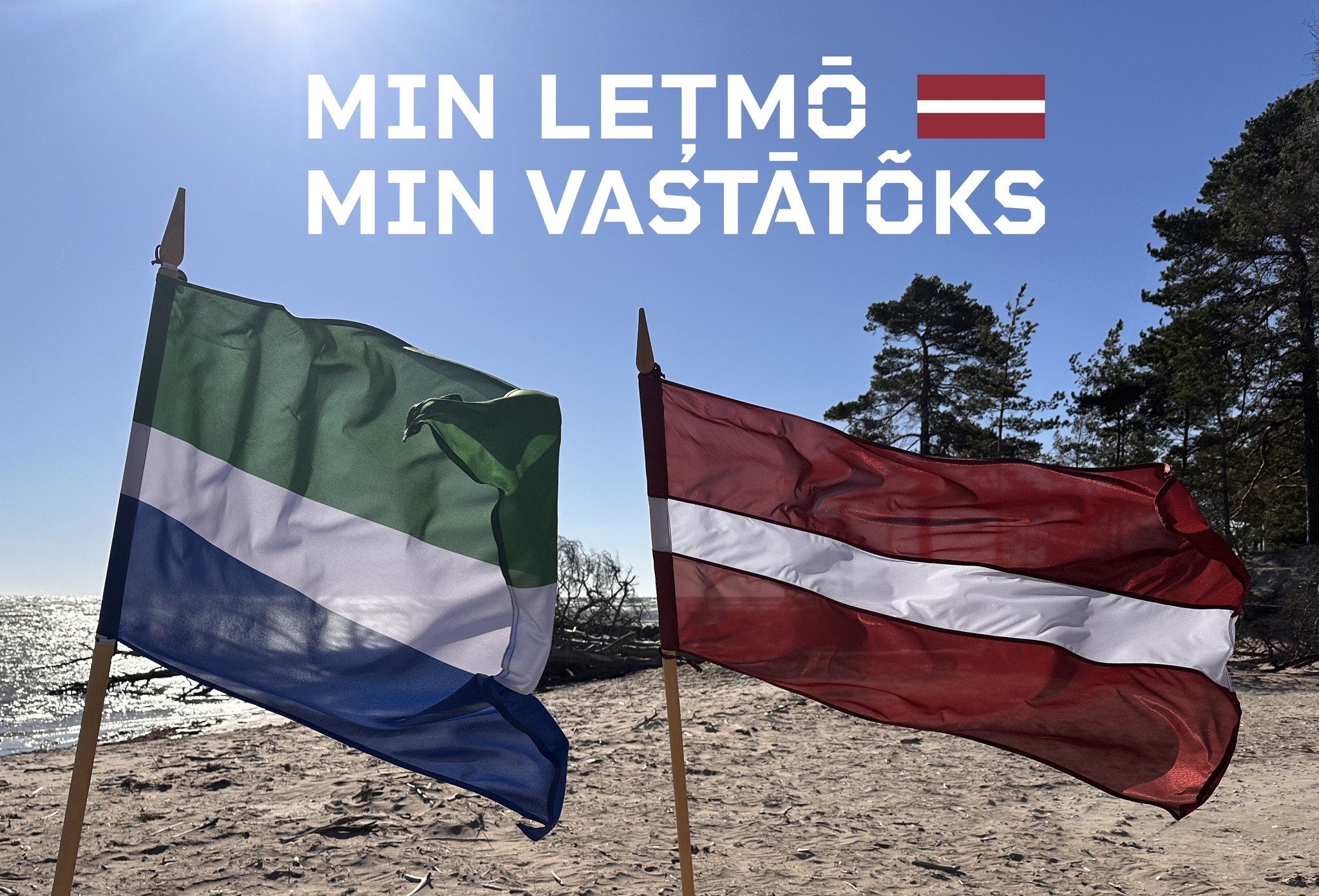
My Latvia, my responsibility! Min Lețmō, min vastātõks!
March 7
The institute held lectures on Livonian heritage for students of the Art Academy’s Master’s program in Art History and Theory.
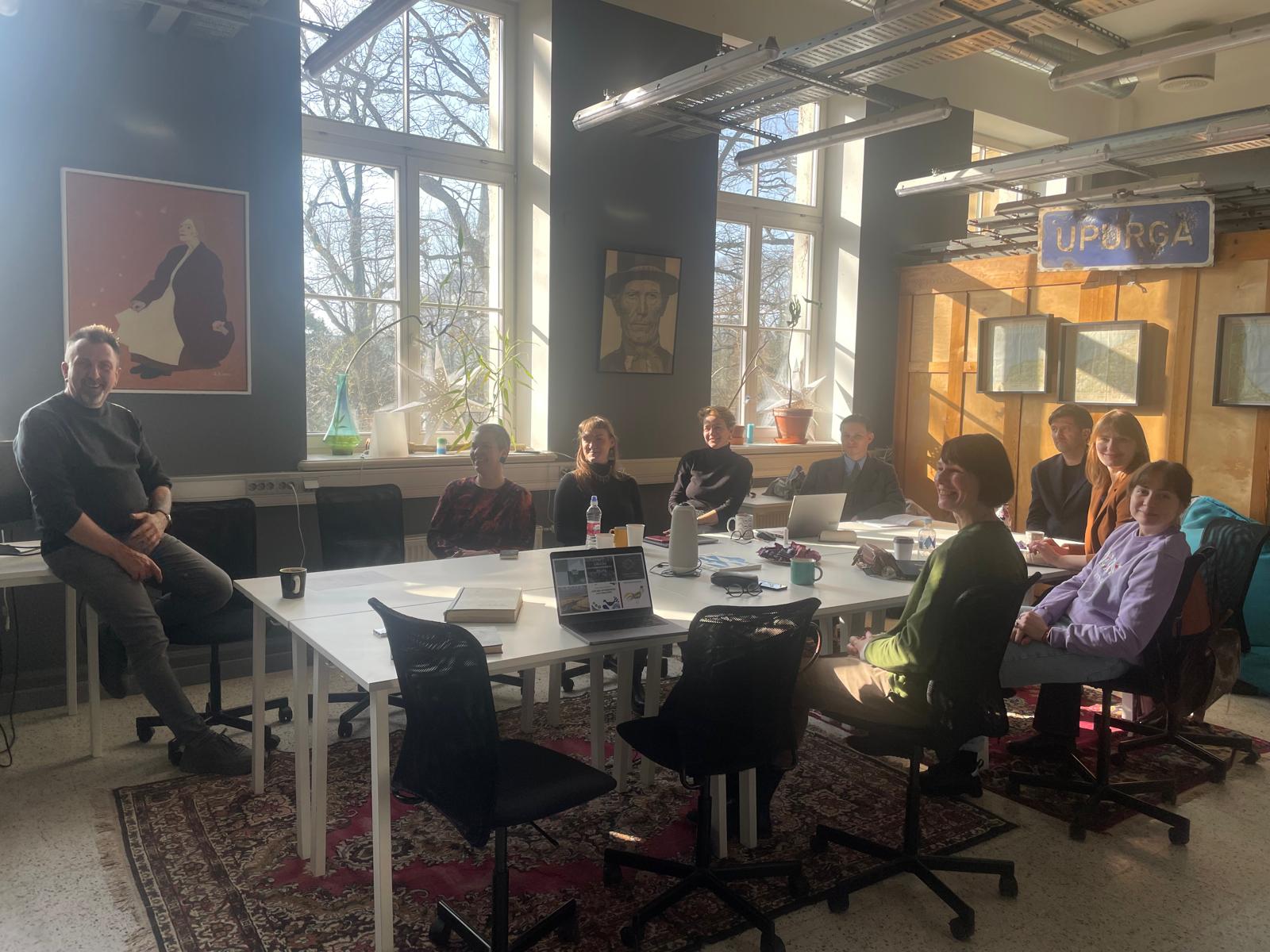
March 6
The Turaida Museum Reserve is hosting a seminar “Researching the Gauja Livonian Heritage in the 21st Century: Interdisciplinary Methods in Historical Research”.
The seminar will feature many fascinating stories about the Gauja Livonians, as well as more broadly about the Livonians and Latvian history. One of the stories will be a report by Valts Ernštreits on the use of language data in mapping the Livonian area.
March 4
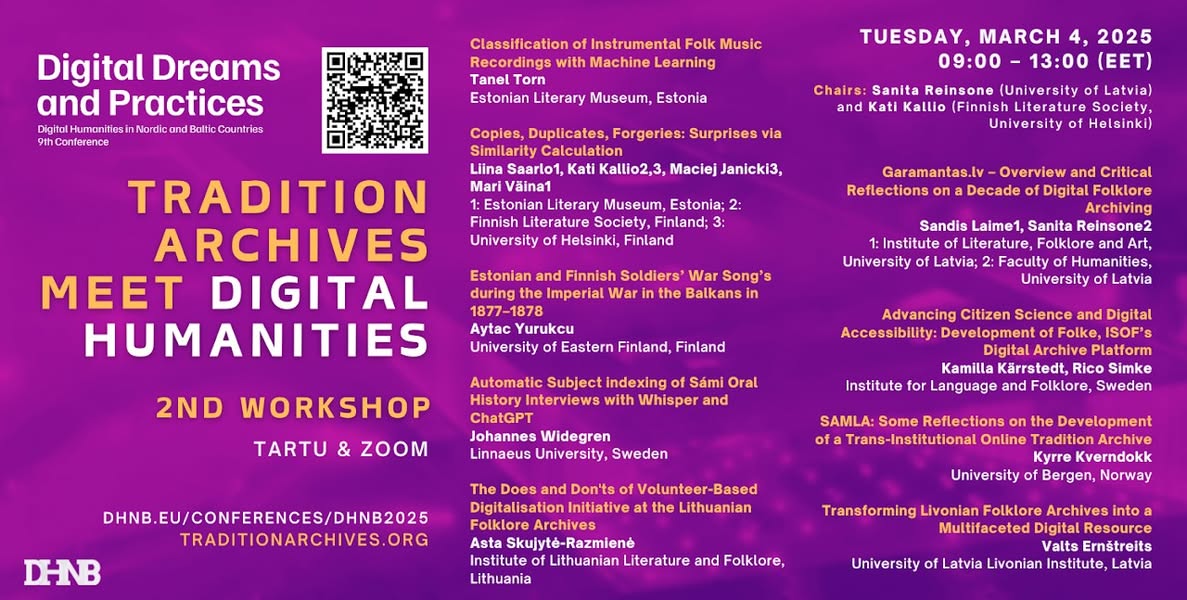
The 2nd seminar “Tradition Archives Meet Digital Humanities” took place in Tartu, as part of the 9th Nordic-Baltic Conference on Digital Humanities.
Valts Ernšreits presented a paper at the conference on the use of the Livonian folklore archive as a multidimensional digital resource.
February 27-28
The conference “Koloniaalkeelest rahvuskeeleks” was held at the Institute of the Estonian Language. Valts Ernštreits gave a presentation at the conference on the history of the Livonian written language.
February 24-25
The International Decade of Indigenous Peoples Conference “Language Technology 4 All” took place in Paris, at the UNESCO House.
It is currently the most important forum for future language technologies, and the director of the institute, Valts Ernstreits, participated in it with a speech. He is also on the editorial board of the Language Technology Development Guidelines.
February 21 - March 23
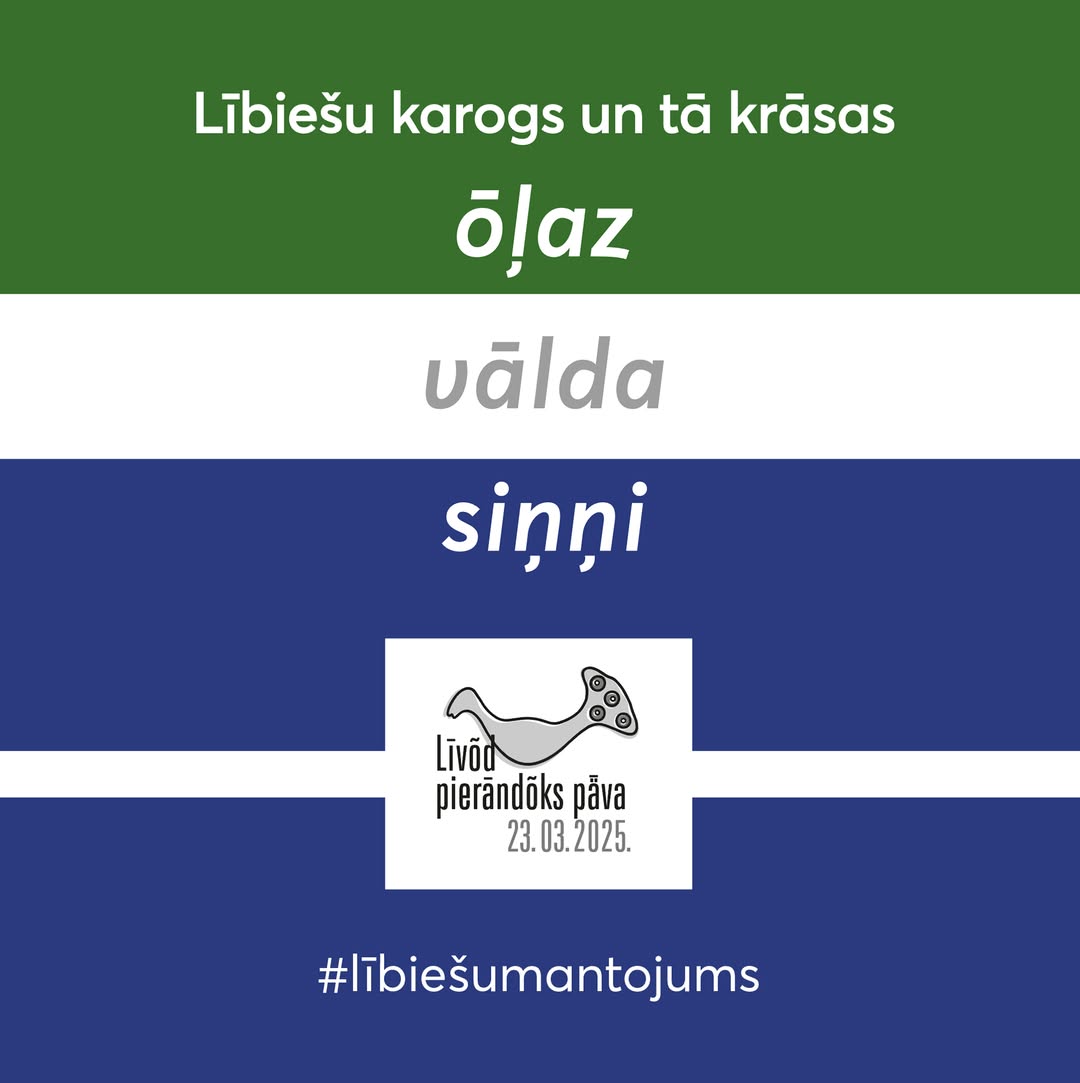
In order to continue the tradition of celebrating Livonian Heritage Day, which began in 2023 with the Year of Livonian Heritage, the Livonian Institute of the University of Latvia, in cooperation with the Latvian National Commission for UNESCO and the Latvian National Cultural Centre, invites you to search for, find and share manifestations or expressions of the Livonian language and cultural heritage in the historical and modern Livonian inhabited regions.
The celebration of Livonian Heritage Day began on International Mother Tongue Day – February 21 – and will continue until Livonian Heritage Day, March 23.
The Livonian Institute of the University of Latvia, in cooperation with the Vidzeme Livonian Cultural Space, celebrates Livonian heritage in language, traditions and landscape every day for a month on social media with special publications, and also encourages everyone to document and share videos or images that highlight Livonian heritage.
February 21
Every year on February 21, the world celebrates International Mother Tongue Day.
This tradition was established by UNESCO 25 years ago to highlight the role of all languages in the world. Now, whilst the UN International Decade of Indigenous Languages is taking place around the world, let’s celebrate this day and this entire month with the Livonian language and Livonian heritage!
In order to continue the tradition of celebrating Livonian Heritage Day, which began in 2023 – the Year of Livonian Heritage, this year the Livonian Institute of the University of Latvia, in cooperation with the Latvian National Commission for UNESCO and the Latvian National Cultural Centre, invites you to search for, find and share manifestations or expressions of the Livonian language and cultural heritage in historical and modern Livonian inhabited regions. The celebration of Livonian Heritage Day will begin on International Mother Language Day – February 21 – and will continue until Livonian Heritage Day, March 23. More about the event and the 2025 Livonian Heritage Day event map is available on the website libiesugads.lv.
February 18
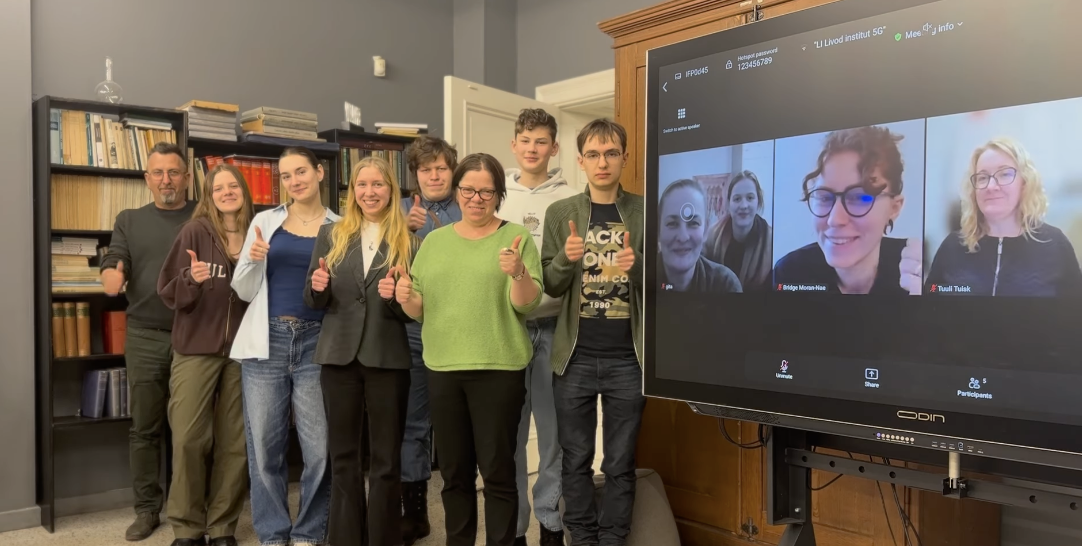
Our partner, the NLP group of the University of Tartu Institute of Computer Science, led by Mark Fišel, has won the University of Tartu Language Initiative 2024 award. Congratulations, we are very proud of this achievement!
The award was won by our colleagues from the NLP group for the development of machine translation for low-resource Finno-Ugric languages. It was our honor to provide our colleagues with Livonian language data and expertise on the Livonian language.
February 5
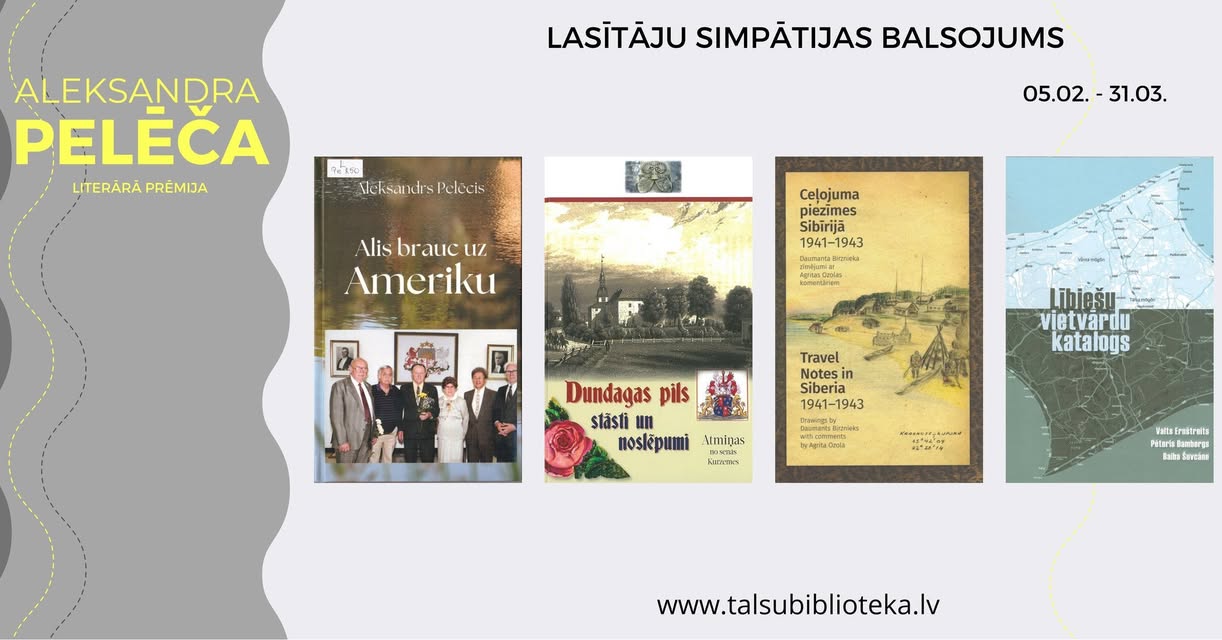
From February 5 to March 31, a vote will be held on the publications nominated for the Aleksandrs Pelēčis Literary Prize.
One of them is the “Lībiešu vietvārdu katalogs” (“Catalog of Livonian Place Names”) (Valts Ernštreits, Pēteris Dambergs, Baiba Šuvcāne) published by the Livonian Institute of the University of Latvia, which offers the opportunity to get to know place names in the Livonian language and the stories about these places.
February 3
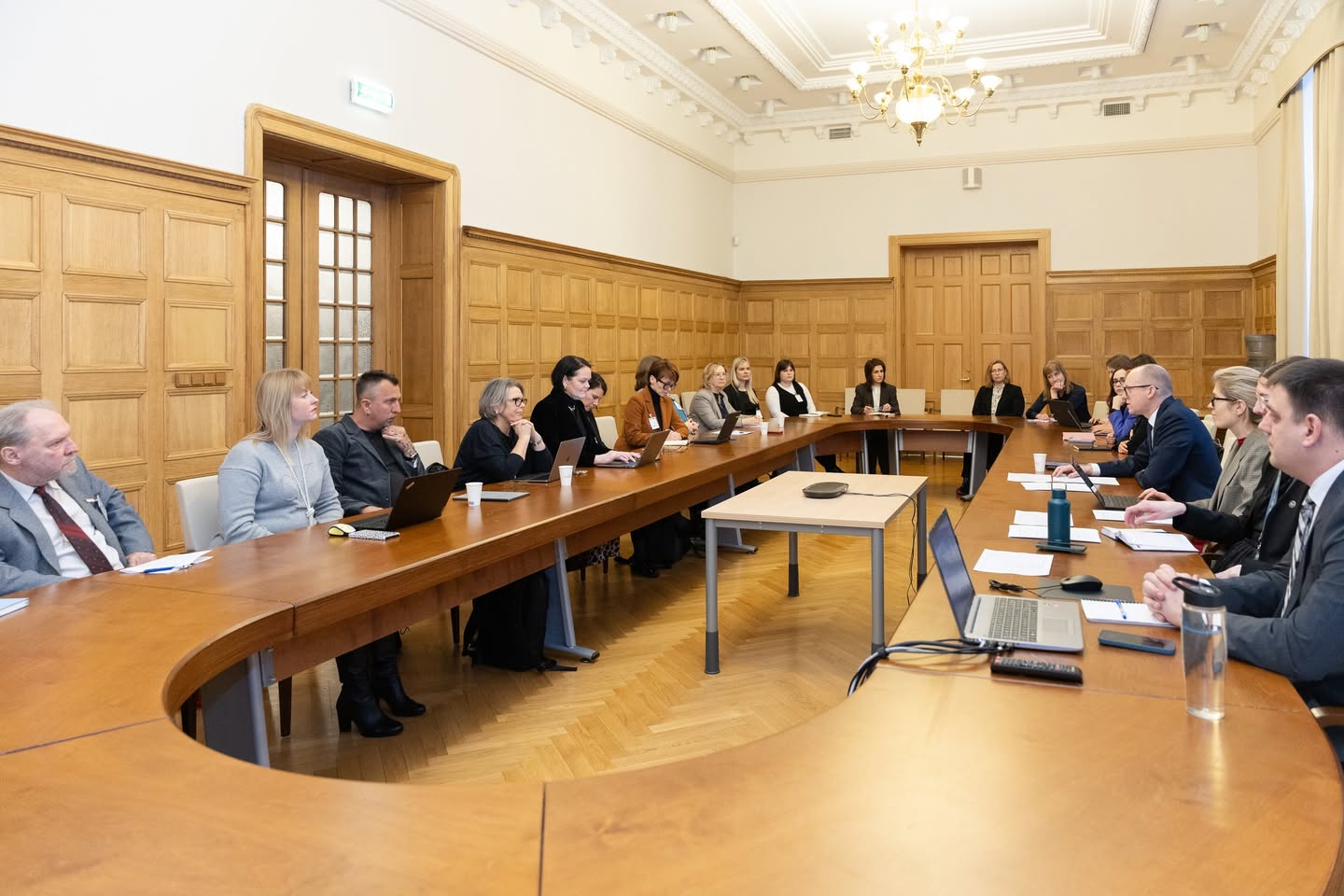
On February 3rd, the annual meeting organized by the Ministry of Foreign Affairs took place with Latvian experts from the United Nations educational, scientific and cultural organization UNESCO. At the meeting, we talked about our work to promote the recognition of indigenous peoples in Latvia, including our involvement and activities in the UN Decade of Indigenous Languages and the working groups established under its auspices, paying special attention to the issues of indigenous language heritage and digital equality.
January 7
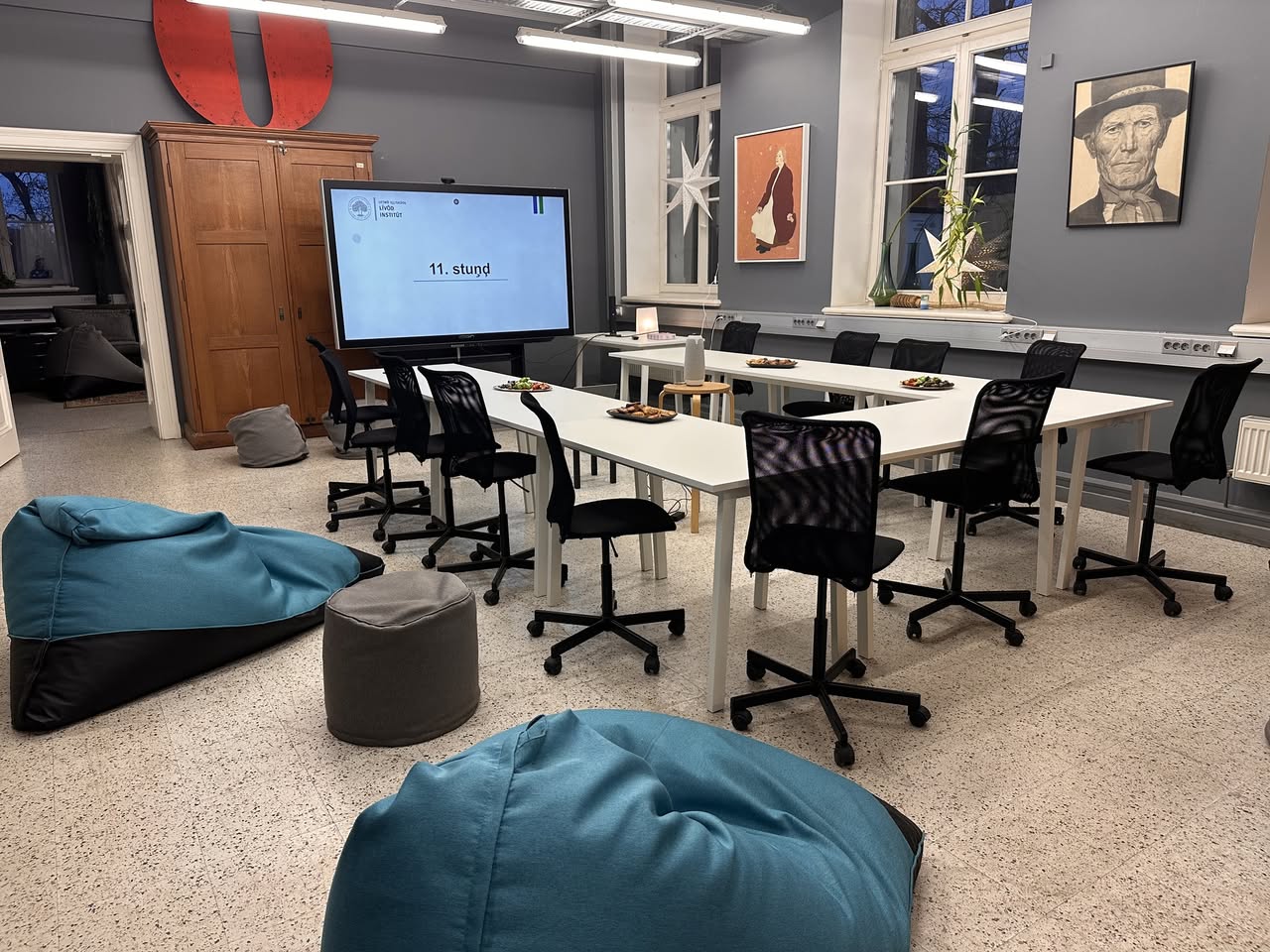
With the care of supporters and friends, the Livonian language classes which take place at the Livonian Institute of the University of Latvia with the support of the Ministry of Education and Science, will continue in 2025 in even more comfortable learning conditions.
We are happy to announce that the Livonian classroom, which, with the care of LAFI and the association “Līvõd īlma”, received technical equipment at the beginning of 2024, has become even more beautiful and comfortable this year, thanks to the tables and bean bags provided by “Baltic Restaurants Latvia”!
Thank you to everyone – both supporters and those who have chosen the Livonian language and culture as their priority among their many daily tasks!