September 12
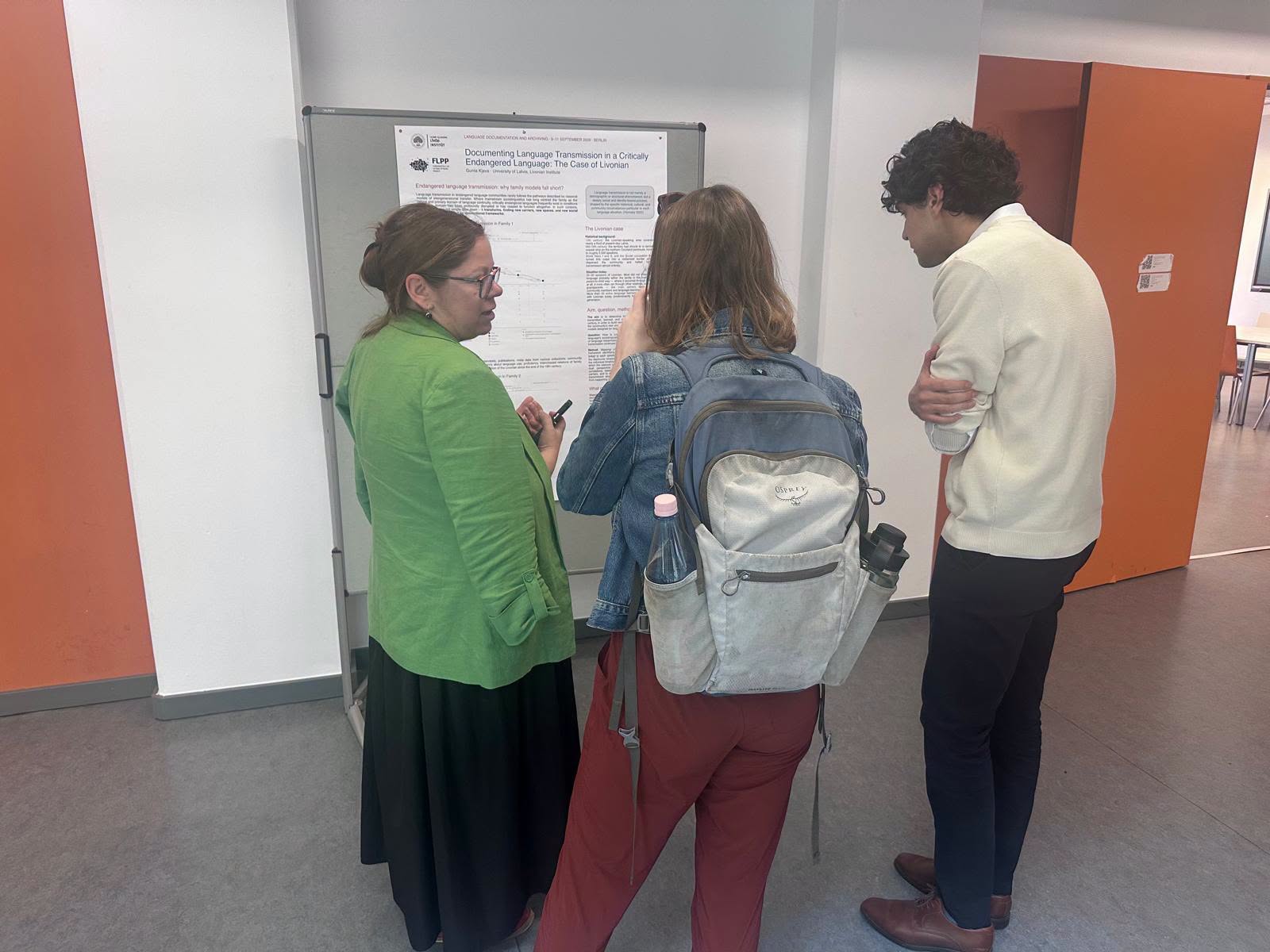
European Heritage Day at the Livonian National House!
Throughout the evening, there was also the opportunity to learn about the history and cultural heritage of the Livonian National House, as well as to meet and chat with representatives of the Livonian community – in a place that has long been a significant centre of Livonian culture and community life.
September 9 – 11
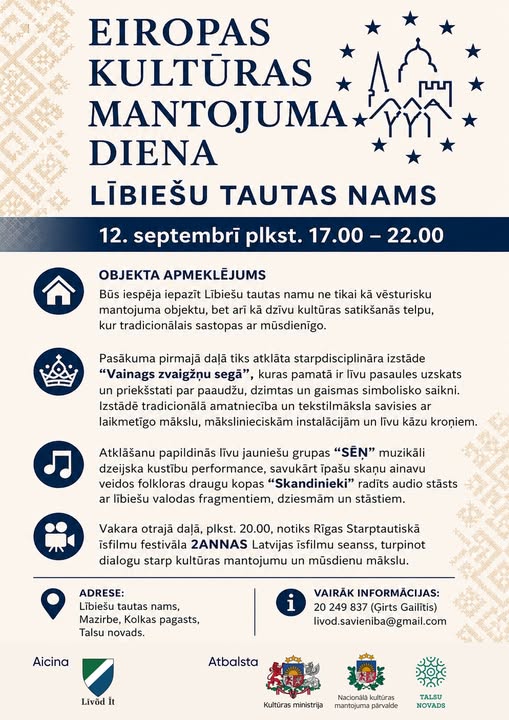
The University of Latvia Livonian Institute was represented at the Language Documentation & Archiving Conference (LD&A 2026), held at Humboldt University in Berlin on 9–11 September 2026 and organised jointly by ELAR Archive and PARADISEC. The conference is one of the principal international forums for researchers, archivists and community practitioners working with endangered and Indigenous languages, and this year was convened under the framework of the International Decade of Indigenous Languages.
Valts Ernštreits spoke on “The Source and the Resource: Insights from the Livonian Speaker Engagement Programme”, examining the results of more than three years of structured collaboration with proficient Livonian speakers in documentation and archiving work, as well as its role in reigniting language transmission processes.
Gunta Kļava presented “Documenting language transmission in a critically endangered language: the case of Livonian”, setting out the shift from vertical, family-based transmission to horizontal, speaker-to-speaker pathways in the Livonian community, and introducing the Mapping of Language Transmission framework developed to document and analyse these processes.
Taken together, both papers address a central question for languages with very small speaker communities: how documentation can function not only as a record of a language, but as an instrument of its sustainability, as well as support language transmission.
More information: https://langdoc.org/lda26/
September 6
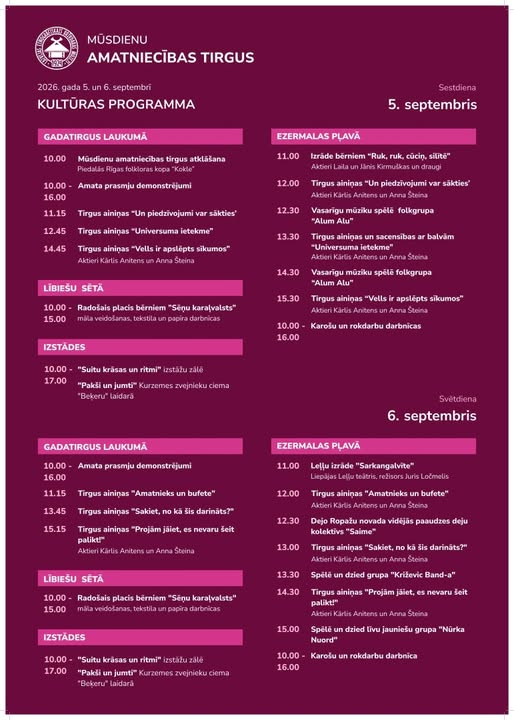
The Livonian youth group ‘Nūrka Nūord’ performed at the Open-Air Museum!
August 20
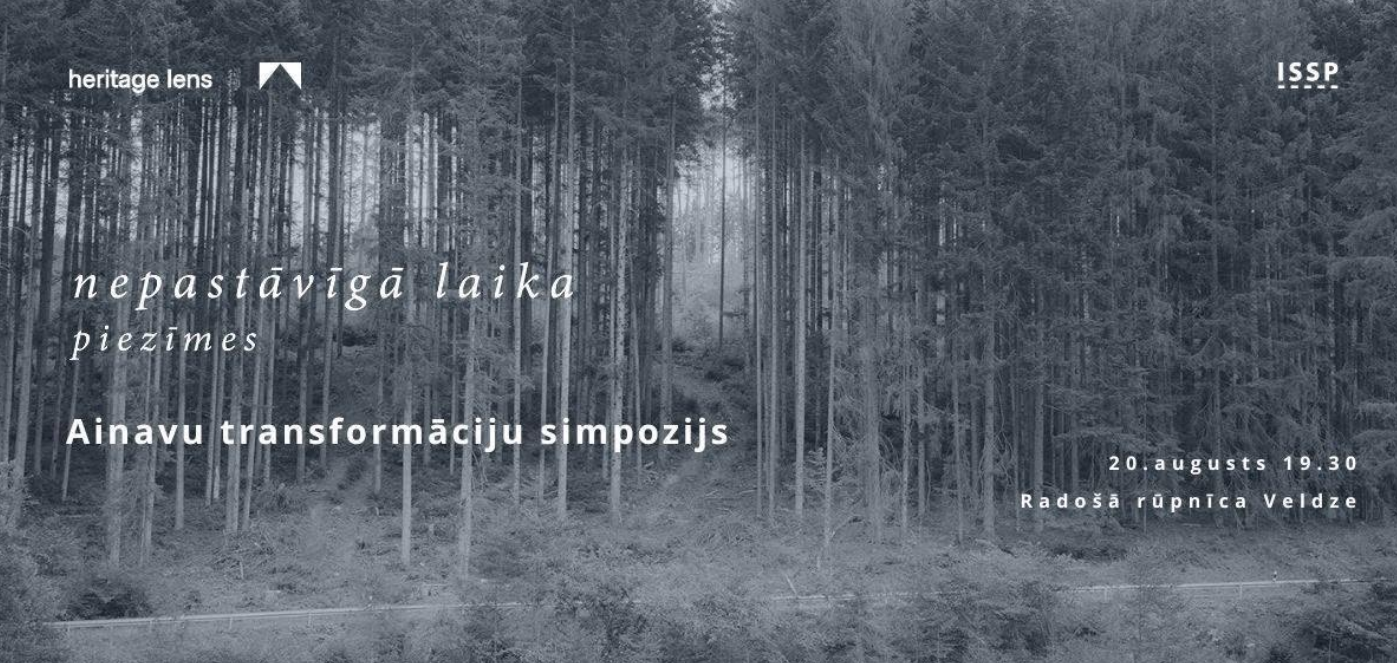
An ISSP discussion on landscapes, their changeability and various aspects of landscape degradation, drawing in part on the experience of the Livonian coast as part of the exhibition ‘Notes from a Volatile Time’.
Participants in the symposium included: Ainārs Kamoliņš, philosopher and research assistant at the LKA Institute of Culture and the Arts; artist Annemarija Gulbe; and Valts Ernštreits, philologist and head of the UL Livonian Institute.
More information here.
August 19
University of Helsinki MA student Saulė Kubiliūtė — in a conversation with UL LI researcher Uldis Balodis — talks about the life of Livonian in Latvia and the Livonian community today as well as the work of strengthening endangered languages.
The interview can be read in Literatura ir menas here (Lithuanian).
August 6
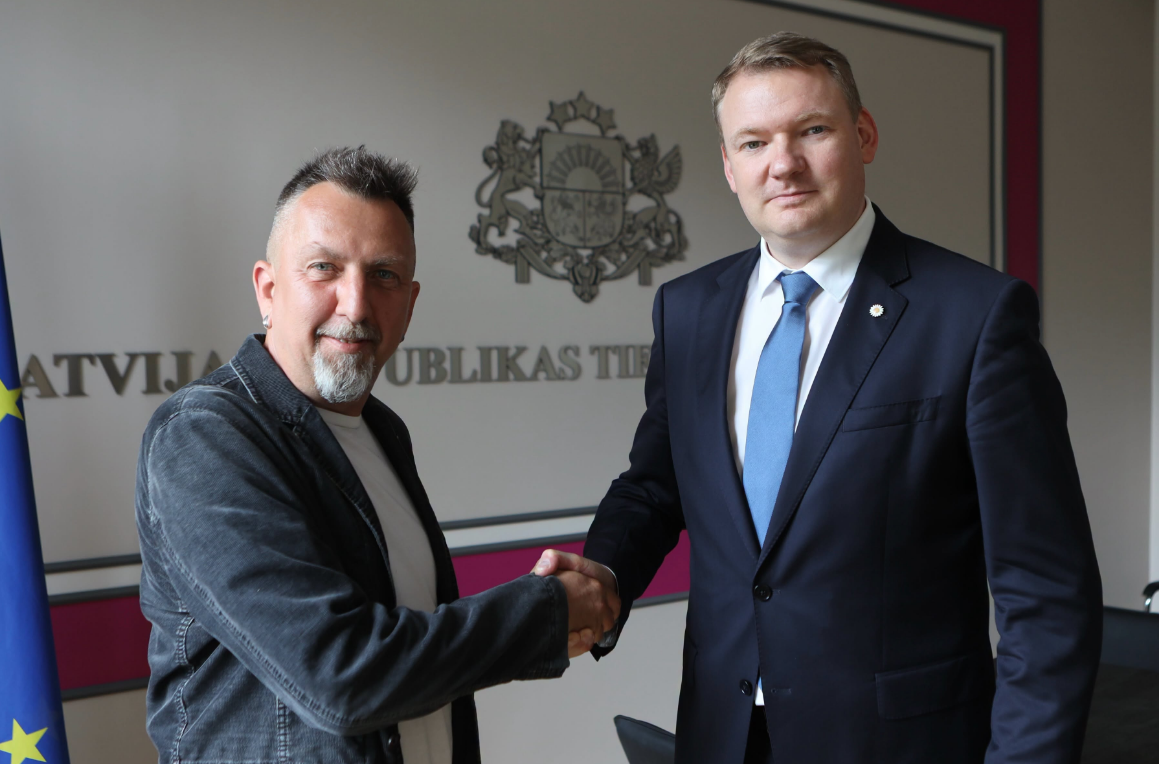
The Ministry of Justice of the Republic of Latvia, in collaboration with the Livonian Institute at the University of Latvia, will establish an annual award for outstanding contributions to the development of the Livonian community.
The aim of the award is to highlight and honour individuals or works that have made a significant contribution to strengthening the Livonian language, culture, identity and community, as well as promoting their sustainable development.
Photo: Ministry of Justice
August 5
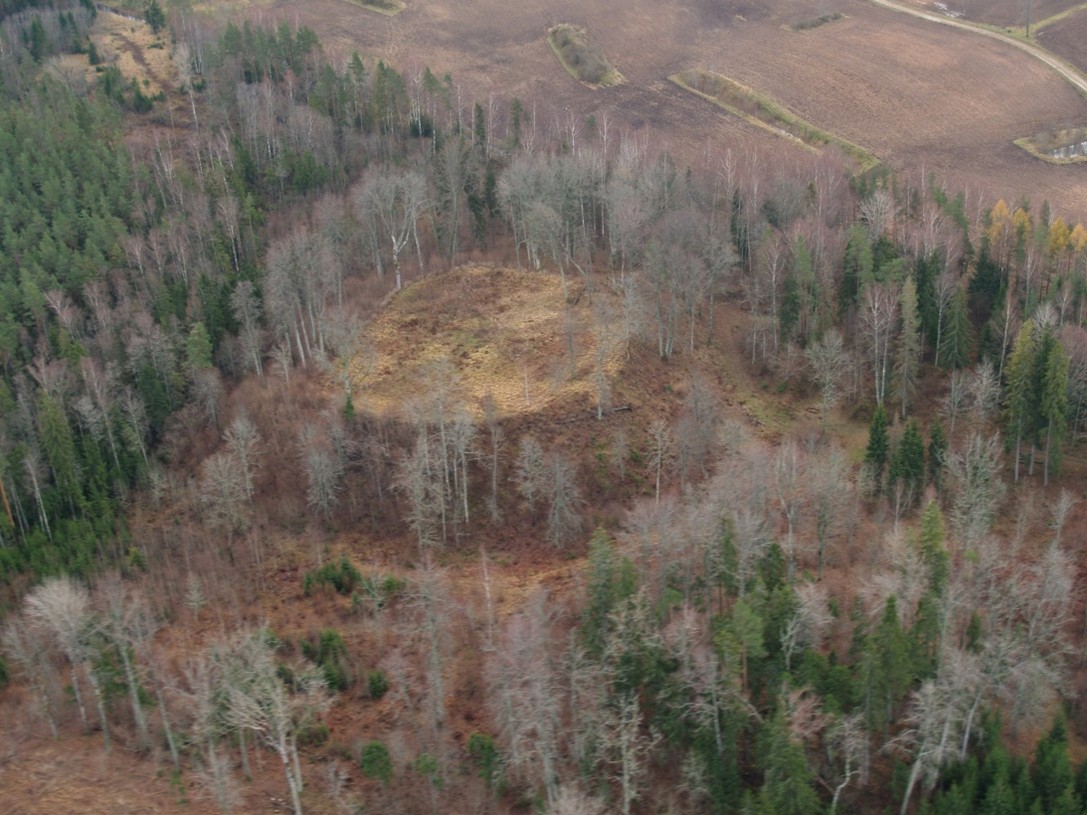
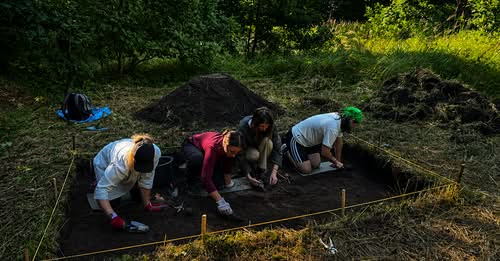
Our colleagues from the Faculty of Humanities at the University of Latvia have this year begun excavations at the archaeological site of the year – the Grebu hillfort near Dikļi – in search of the site of the historic Metsepole Castle.
More information here.
Photo: lsm.lv
August 4
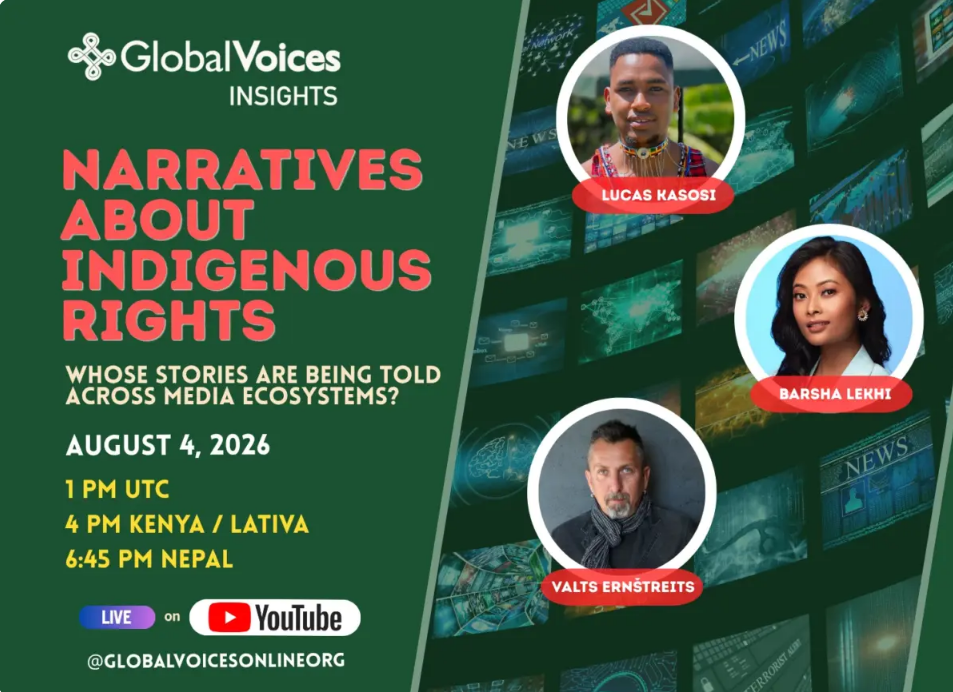
Director of the UL Livonian institute Valts Ernštreits participates at the webinar by Global Voices dedicated to reflection of Indigenous people and their rights in media.
More information here.
August 3
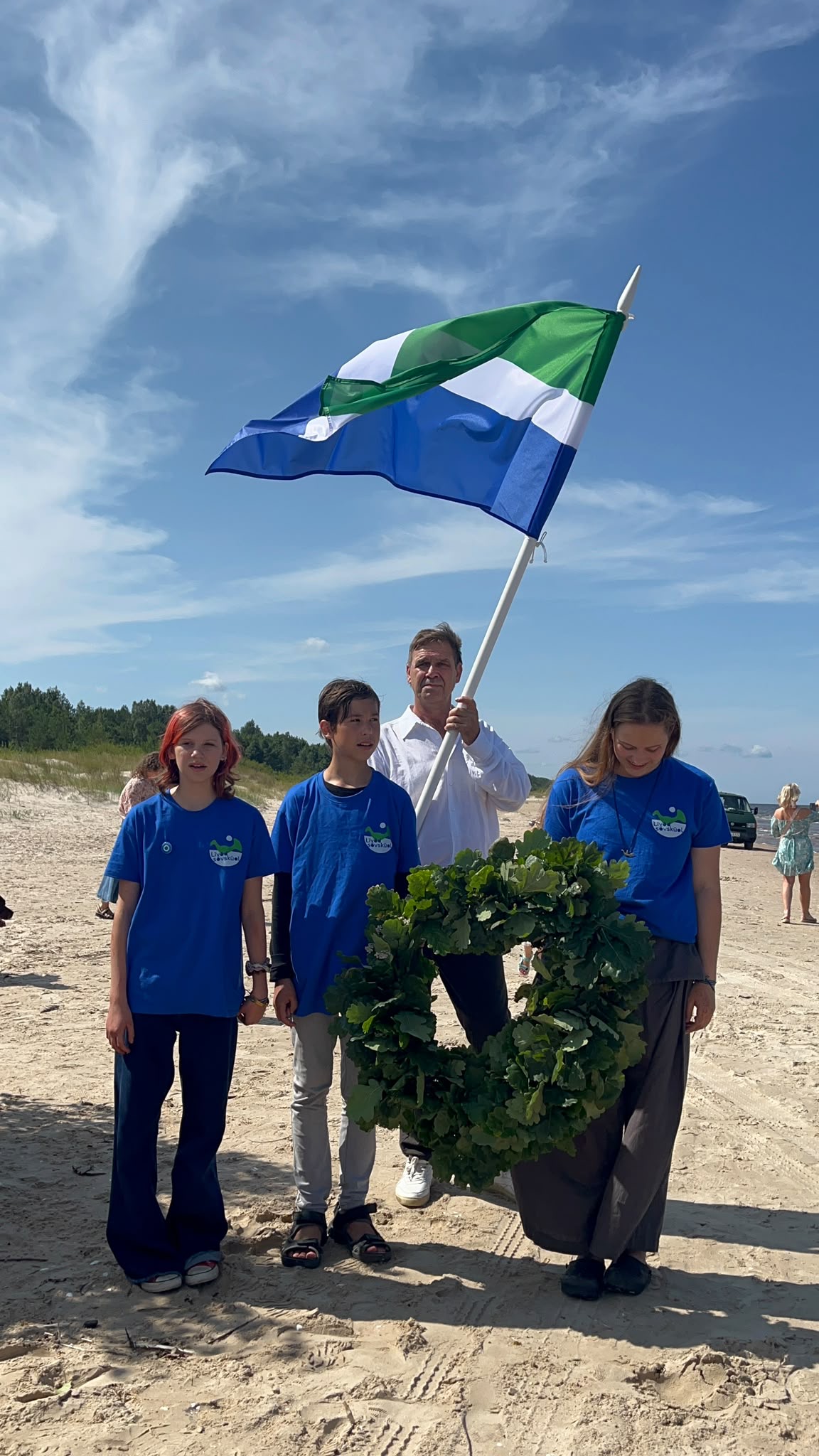
The Livonian Festival took place in Mazirbe, bringing together Livonians, their descendants and those who preserve Livonian culture.
In the interview with 100g kultūras (100g of Culture) Mare and Paula, participants in the Livonian summer school (Līvõd sõvskūol), are explaining clearly and simply why we are learning the Livonian language.
Interview with 100g kultūras is available here.
July 30
Latvian Radio 1 offers a brief glimpse into the Livonian Summer School (Līvõd sõvskūol) and the upcoming Livonian Festival.
July 24 - August 1
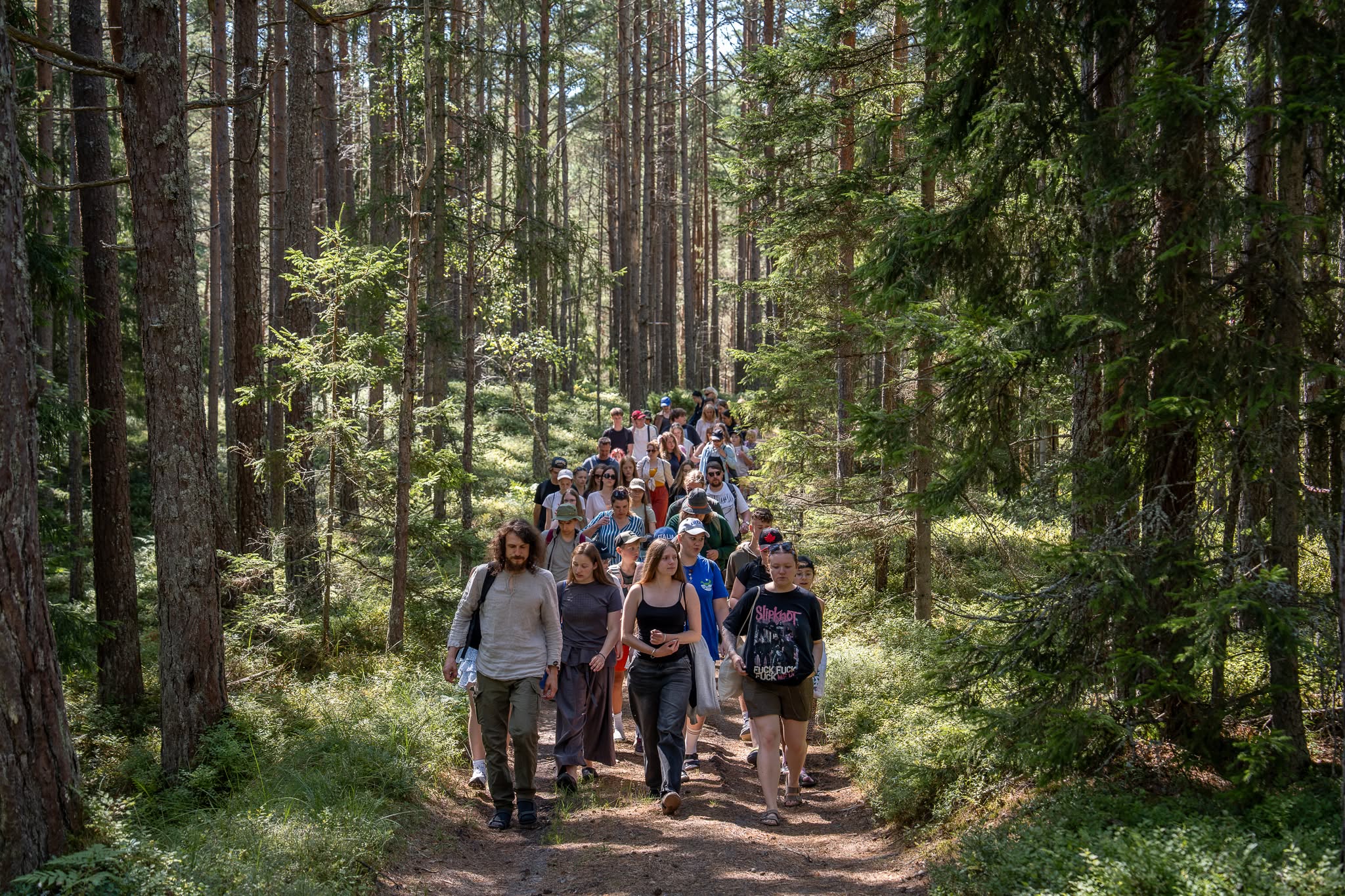
The Livonian Summer School, supported by the Ministry of Education and Science, is currently taking place in Košrags, where more than 60 participants – including Livonians, Livonian youths and children, as well as other speakers and learners of the Livonian language – are practising their language and culture, and getting to know the Livonian coast, its heritage and contemporary life.
On July 29, the school welcomed a special guest – Ilze Indriksone, Latvia’s Minister for Education and Science, who took part in the school participants’ hike to Pitrags, got to know the school participants and the heritage of the Livonian Coast, and also played a small part in research into the pronunciation and reading of the Livonian language. Her reflections can be read here.
Many thanks for this lovely surprise and, in particular, for the promise to support efforts to raise awareness amongst the Latvian public about the Livonians and to expand opportunities for learning the Livonian language and culture – both by placing greater emphasis in school curricula on pupils’ knowledge of history, including the Livonians and their heritage, and by continuing to support research and the Livonian community’s opportunities to learn and practise their language and culture.
July 15
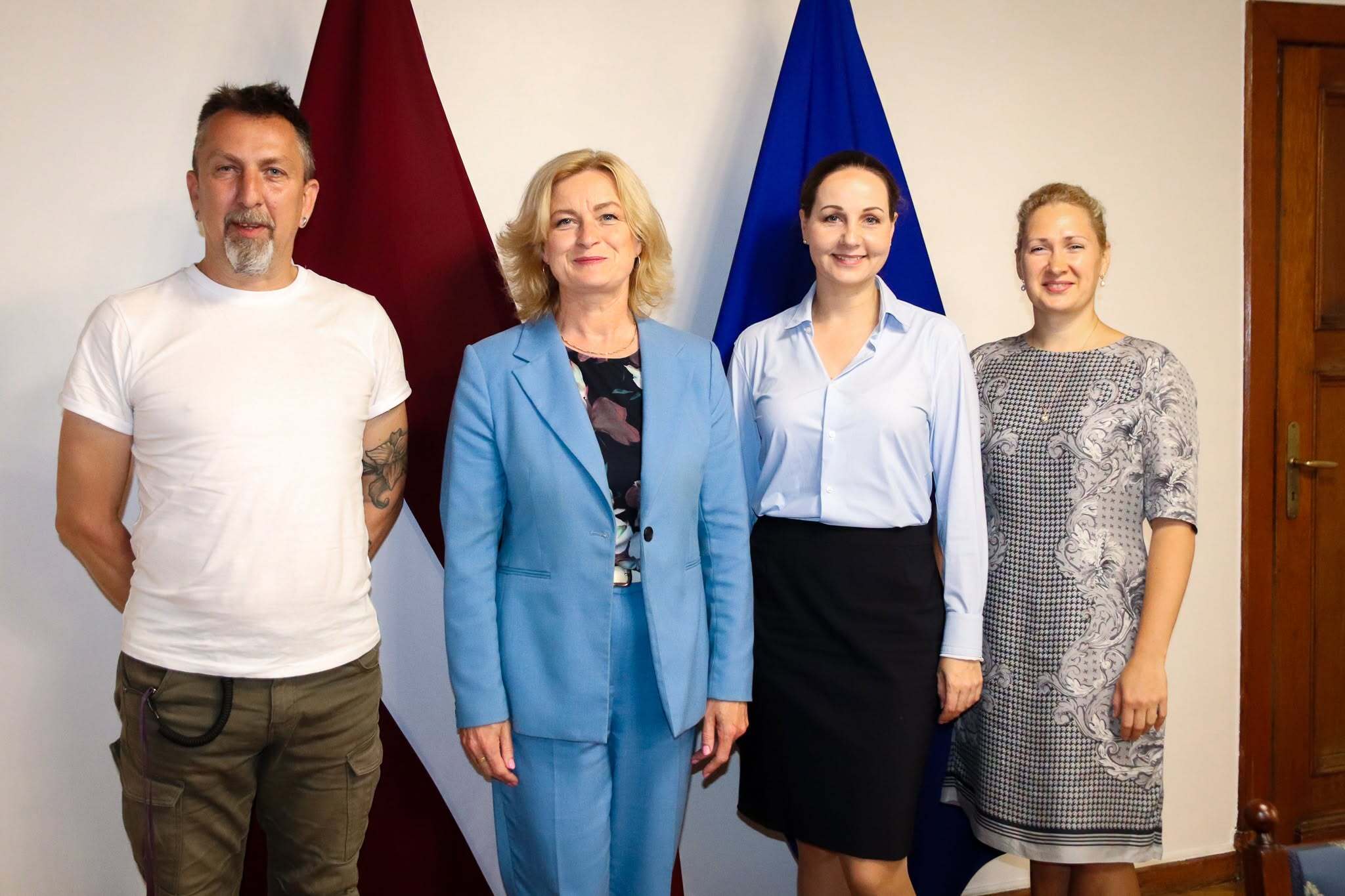
Today, the Director of the Institute, Valts Erenštreits, met with the Minister for Education and Science, Ilze Indriksone, to discuss the full range of activities undertaken by the UL Livonian Institute, from Livonian research and projects, the development of digital resources, the learning of the Livonian language and its return to everyday use, the Institute’s international activities in promoting global linguistic and cultural diversity and preserving endangered languages and cultures, the digital future of languages, right up to the recently established interdisciplinary research incubator ‘Latvian Origins’, which aims to explore issues relating to Latvia’s under-documented ancient history through collaboration between researchers from a wide range of fields and institutions.
Our heartfelt thanks to Ilze Indriksone, Ieva Siliņa and Lana Frančeska-Dreimane!
July 14
Rūta Bruževica, researcher at the UL Livonian institute, is one of the key people behind the interdisciplinary research incubator “The Beginnings of Latvia.” Alongside that work, she has now built a handwritten text recognition (HTR) model for Middle High German — providing better access to medieval Livonian-era manuscripts to researchers. The model is live and ready for use.
Next, in collaboration with fellow researchers at the Institute the model will be developed to help transcribe handwritten Livonian texts, as part of the #Ȭpen project at the University of Latvia.
July 10
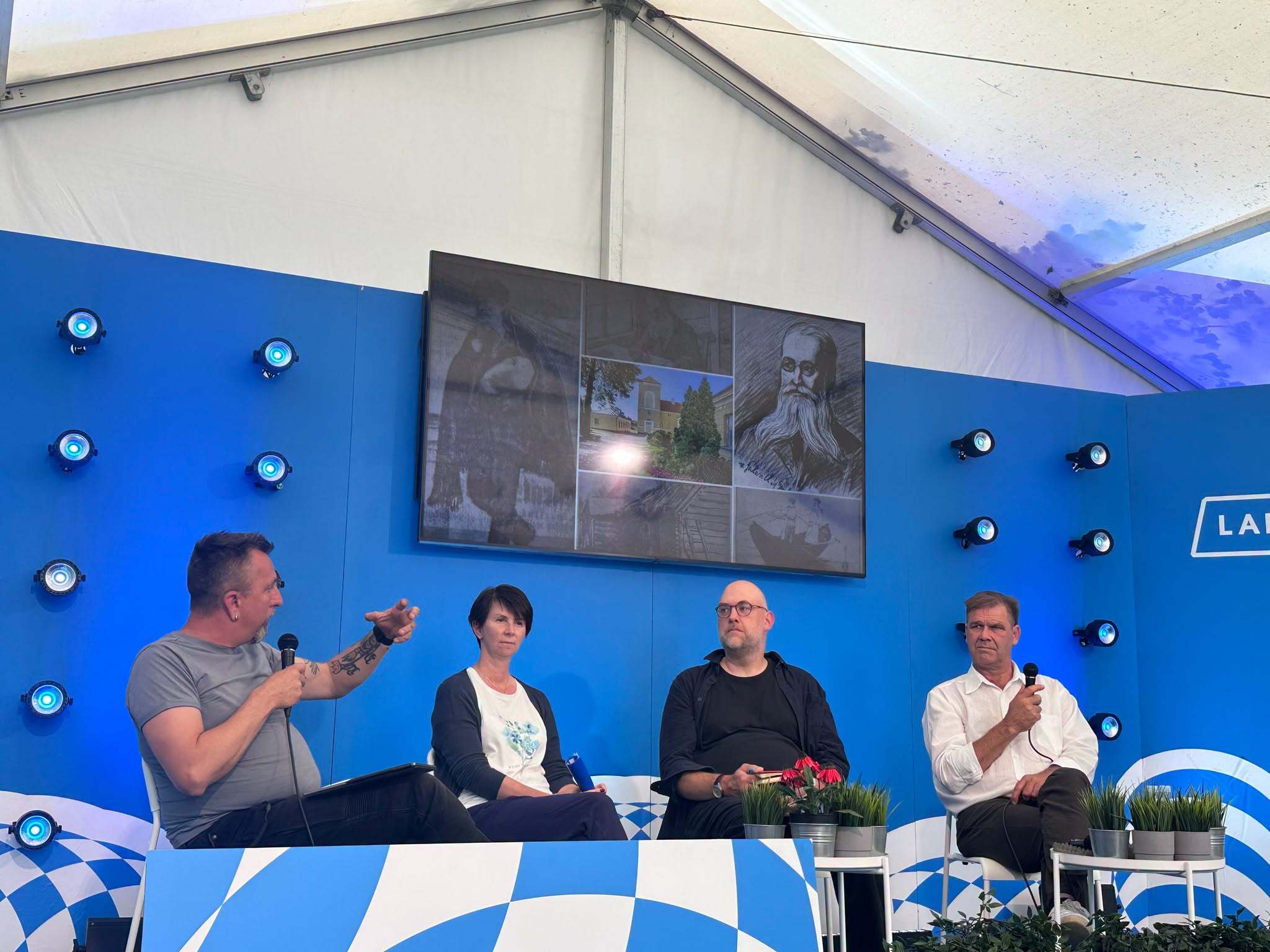
A discussion at the LAMPA Conversation Festival: “The Forbidden People – the Livonian experience that cannot be ignored” (Aizliegtā tauta – lībiešu pieredze, par kuru nevar nerunāt). We discussed where, how and why the Livonians have disappeared from the Latvian landscape. In the context of the 20th anniversary of the UN Declaration on the Rights of Indigenous Peoples, we discussed the Livonian activist Uldriķis Kāpbergs (Uļi Kīnkamäg), who died in a prison in democratic Latvia in 1932, his significance in the consciousness of the Livonian community, and the need to acknowledge and rectify the mistakes once made by the Latvian state in its treatment of its own people.
Thank you to all the participants in the discussion – Māra Vīgerte, Gustavs Strengs, Ēriks Kāpbergs and Sofija Kūla, whose account of her journey to securing permission to recite poetry in the Livonian language at school brought the discussion to a close.
Thank you to the DOTS Foundation for an Open Society and the Faculty of Humanities at the University of Latvia for their support!
July 10
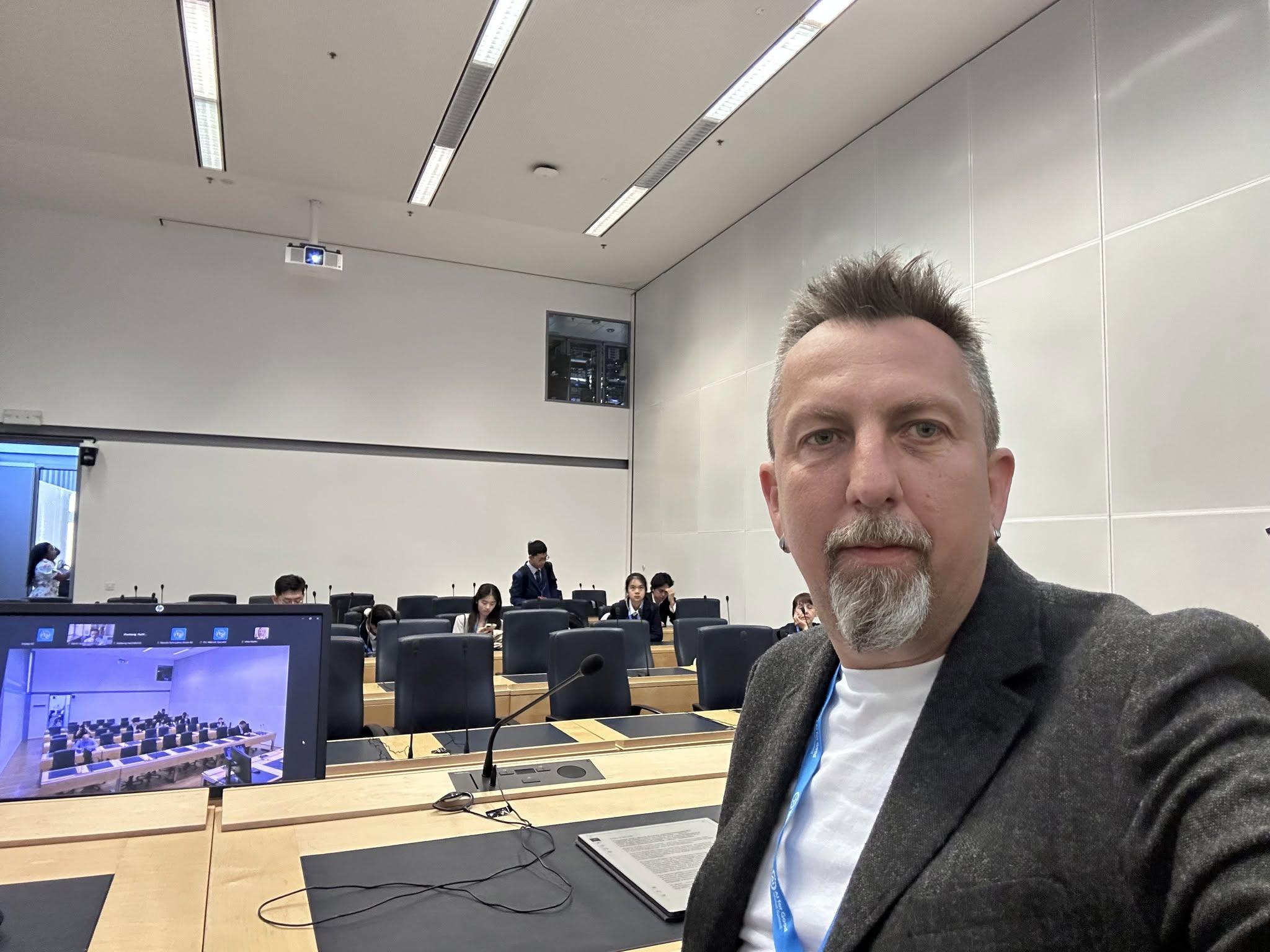
Our director Valts Ernštreits represented the Livonian Institute at this year’s WSIS Forum in Geneva, joining a UNESCO panel on WSIS Action Line C8 — cultural and linguistic diversity in the digital age. He spoke about bringing the majority of the world’s languages into the digital sphere and introduced UNESCO’s Global Roadmap for Multilingualism, in whose editorial team he has taken part, alongside its emerging Plan of Actions rooted in the UN International Decade of Indigenous Languages (2022–2032).
More info: https://www.itu.int/net4/wsis/forum/2026/Agenda/Session/307
July 6-7
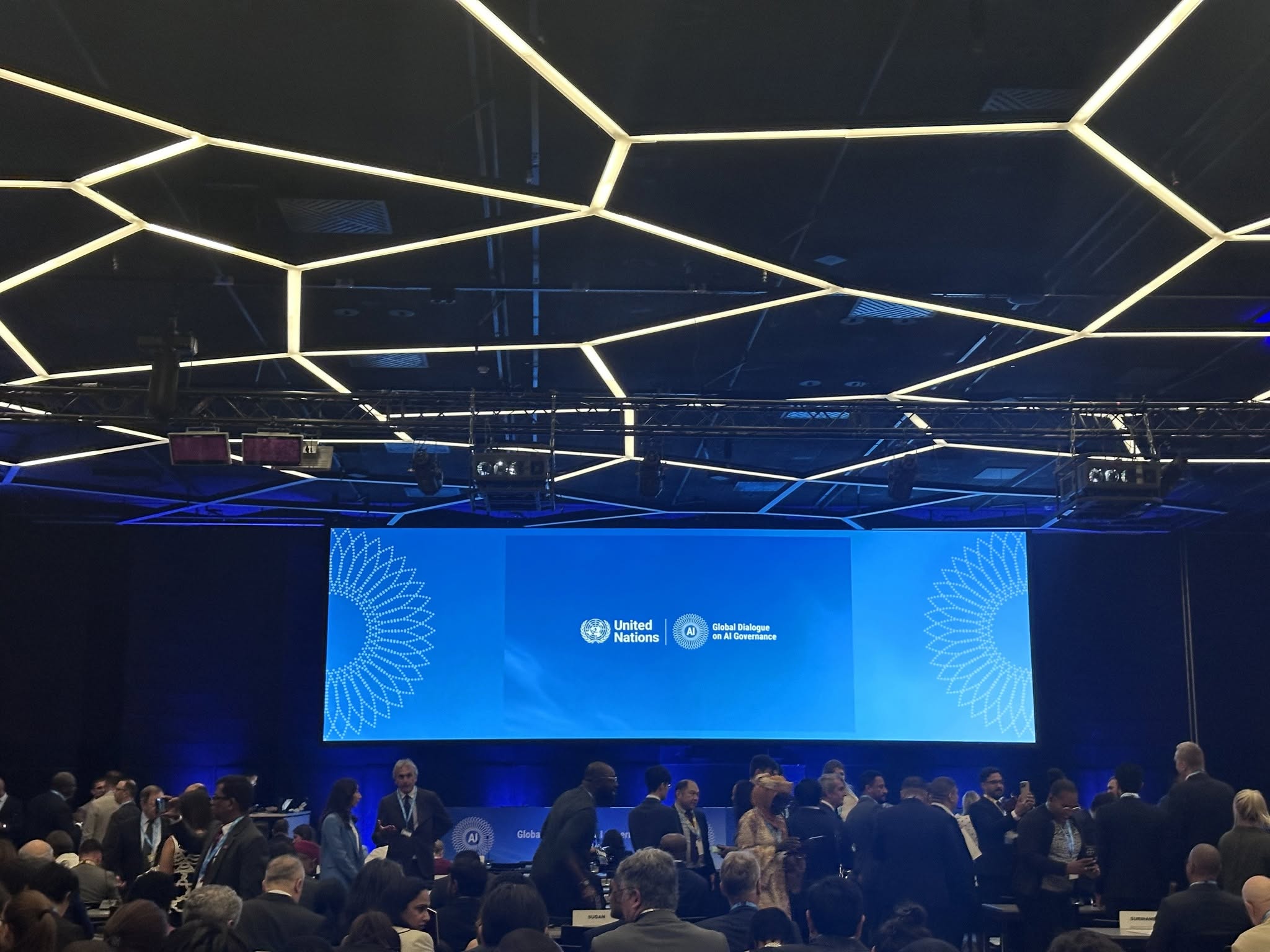
The director of the Institute participated in the inaugural Global Dialogue on AI Governance in Geneva, Switzerland, an event attended by over 4,000 delegates from more than 170 countries.
He also gave an intervention on behalf of Indigenous Peoples and endangered language communities, reminding participants that in order to sustain the world’s linguistic and cultural diversity, it is critically important to have language communities at the table when AI is discussed and shaped, and to make dedicated investments — both nationally and internationally — in improving the understanding of the development of language technologies, including AI, for underpowered and under-resourced languages and cultures that form the majority of the world’s linguistic and cultural diversity.
July 3
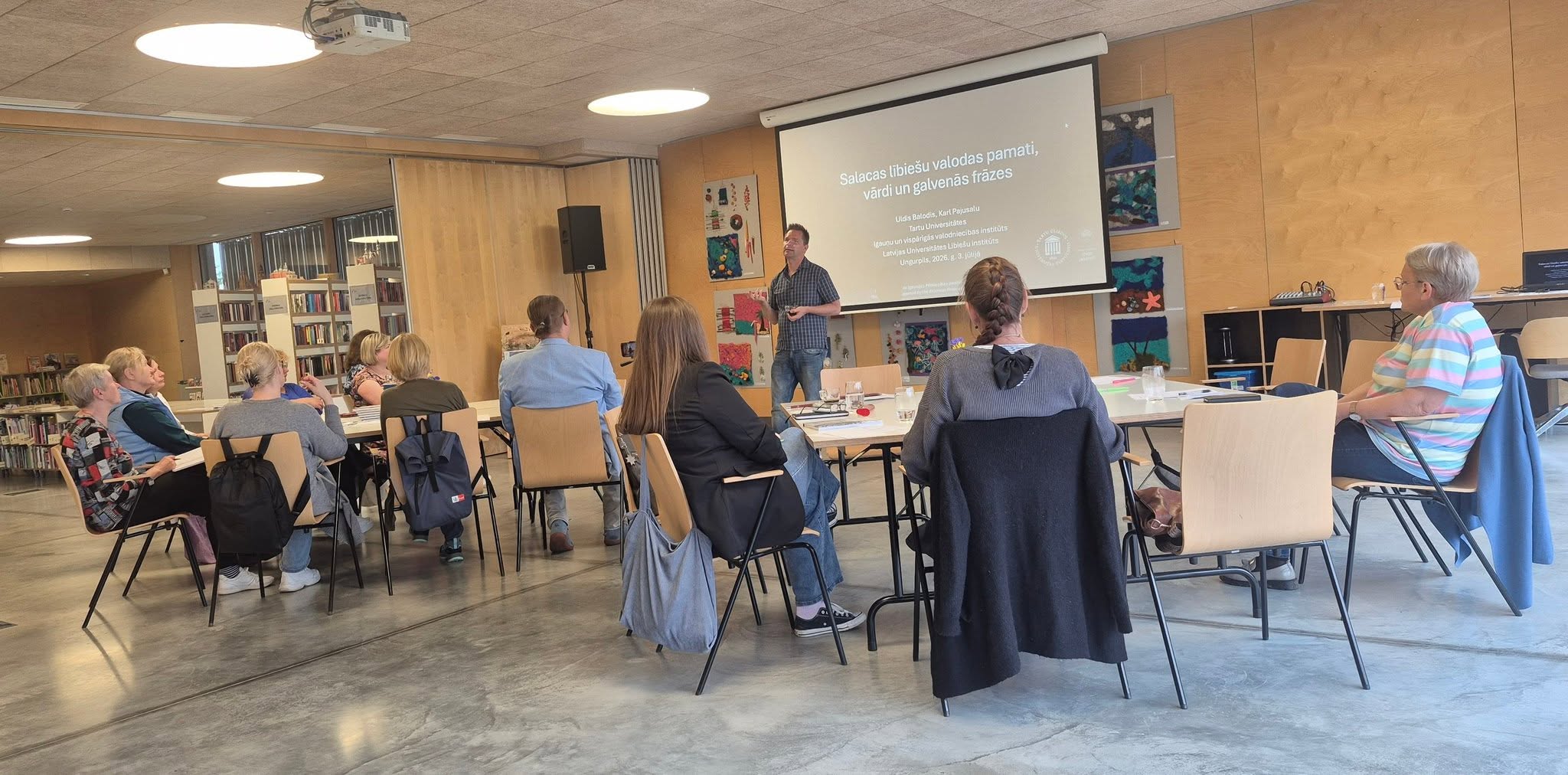
On July 3, members of the Vidzeme Livonian cultural space community gathered at the SALA Library in Ungurpils to discover, explore and practise the values of the Vidzeme Livonian cultural space during the first Summer School – a newly created collaborative learning space.
During the first part of the day, together with Uldis Balodis, a researcher and linguist from the UL Livonian Institute and the University of Tartu, participants learnt the basics of the Salaca Livonian language, familiarised themselves with the most commonly used words and phrases, and sought out traces of the Salaca Livonian language in place names and the cultural landscape. Following this, Līga Moderniece, the chief bibliographer for local history at Aloja Library, gave a presentation on the cultural history of Aloja and Ungurpils, the Vidzeme Livonian heritage in this area, and its place names and regional terms.
In the afternoon, the participants continued to explore the manifestations of the Salaca Livonian language in place names and the cultural landscape, as well as the similarities and differences in toponyms across the Livonian-inhabited lands of Vidzeme and Courland and, to round off the day, set off on an exploratory walk around the Ungurpils area with Inese Timermane, manager of the Staicele Tourist Information Centre, supplementing the knowledge gained that day with local stories and cultural-historical evidence.
On July 4, the Summer School participants set off on an expedition to Häädemeeste in Estonia to continue exploring the traces left by the Vidzeme Livonians in our shared cultural landscape.
June 27
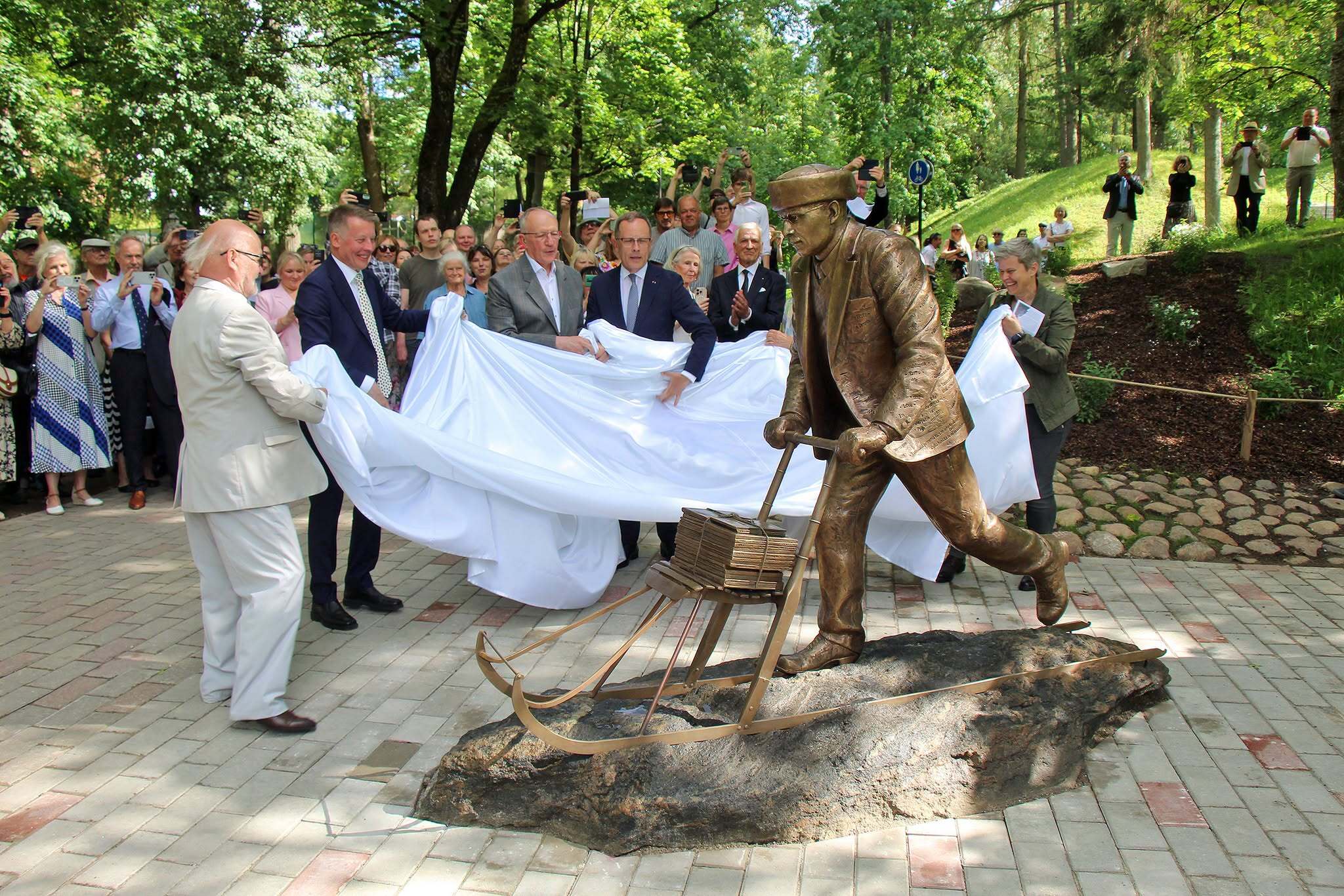
A monument was unveiled in Tartu to the Finnish scholar Lauri Kettunen (1885–1963) — the University of Tartu’s first professor of Balto-Finnic languages and a founder of the Estonian Mother Tongue Society.
Although Lauri Kettunen’s contribution was extraordinarily broad — from helping to build Estonia’s national university to intelligence work during the Finnish Winter War — he holds a special place in the hearts of the Livonians and of all who study and cherish the Livonian language and culture.
His most visible scholarly work is the Livonian–German dictionary published in 1938, but his contribution to the very survival of the Livonian community, though less visible, is even more significant.
It was precisely thanks to the involvement of Lauri Kettunen and his students — first and foremost Oskar Loorits — that the Livonians came to have their own written language, books in Livonian, their own public organisation, their own flag and anthem, their own newspaper, their own community house, the chance to study Livonian at school, and perhaps even the possibility of existing today.
The monument, into which words are carved in many of the languages Kettunen helped to document and develop, also bears words in Livonian. Among them is Kettunen’s poetic pen name in Livonian verse — Kalāmīez. There is also a line from a poem he wrote in Livonian, which became a song known to every Livonian, and whose two stanzas are unquestionably part of the core canon of Livonian texts, at the same time symbolically capturing his contribution to the shaping of Livonian self-awareness:
Līvli ma ūob un
pa līvlizõks īeb,
kuņtš tulāb nōvõ
un tutkām min tīeb.
Tõvās min rovvõn
täs mōs āt jūrd.
Mäd kēļ um vaņīm,
mäd sugūd – sūrd.
(Always I have been / and remained a Livonian; / so shall I be / as long as I live. // So deep are the roots / we hold in this land. /
Mighty are our kinsmen — / and they hear us.)
We take great pride and joy in having been able, through our donations and support, to contribute to the creation of this monument — one that means so much to everyone who researches the Livonians and to the Livonians themselves. And many thanks to the Emakeele Selts for making the idea of this monument happen.
Photo: Zane Erenštreite
June 17
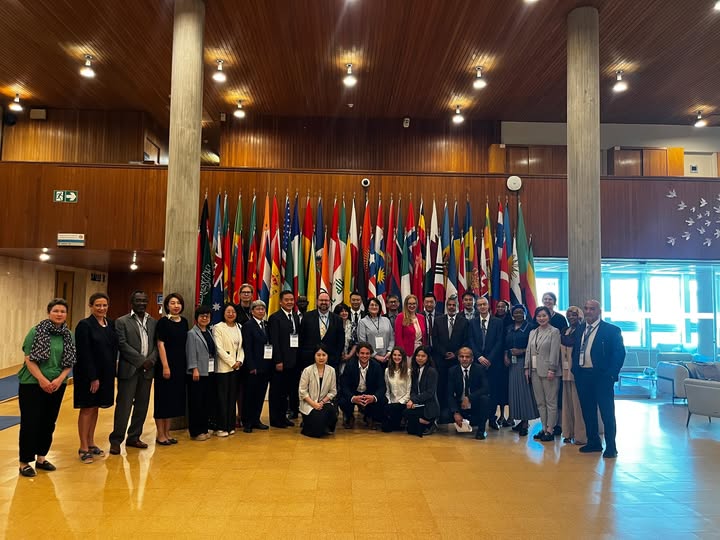
On June 17, the 35th meeting of the Bureau of UNESCO’s intergovernmental ‘Information for All Programme’ (IFAP) took place at UNESCO’s headquarters in Paris, with the Latvian representative, Dagnija Baltiņa, Director of the National Library of Latvia, attending for the first time since her election.
The meeting also featured a discussion on UNESCO’s global roadmap for ensuring multilingualism in the digital age. One of the editors of this report is the Latvian representative, Valts Erenštreits, Head of the UL Livonian Institute.
Further information: https://www.unesco.lv/…/dagnija-baltina-parstav-latviju…
Publicity photo.
June 12
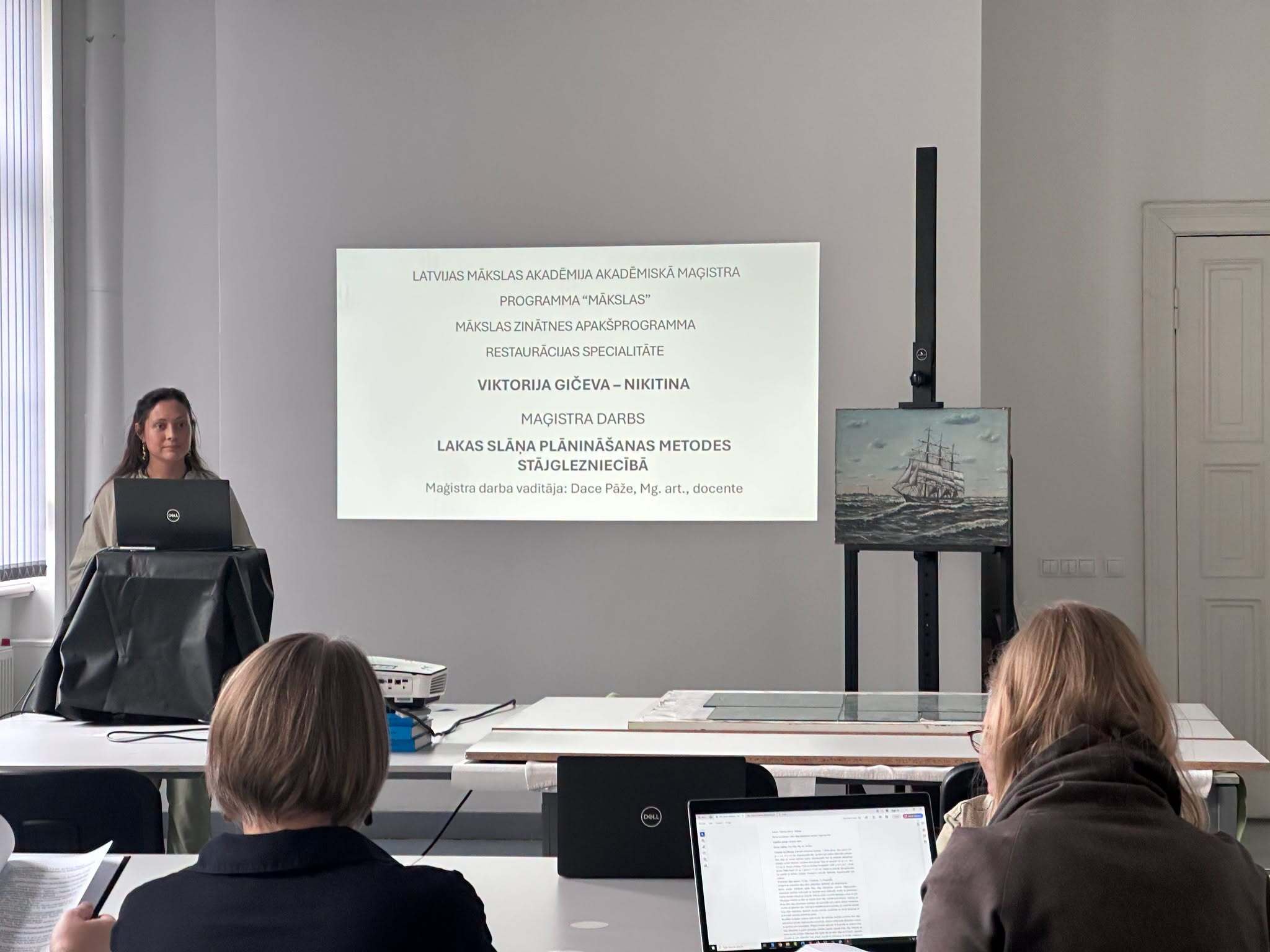
Working with students is part of our daily routine, and the topics we cover are very diverse. We have just concluded our collaboration with the Department of Restoration at the Latvian Academy of Art – as part of her Master’s thesis, ‘Methods of Varnish Layer Thinning in Panel Painting’ (Lakas slāņa plānināšanas metodes stājglezniecībā), Viktorija Gičeva-Nikitina carried out the restoration of a painting by the Livonian artist Jānis Belte. This painting arrived in a very poor condition, and under the guidance of the department head, Dace Pāže (who herself has Livonian roots), Viktorija worked a real miracle.
We are absolutely delighted with this painting, which has regained its original splendour, and with Viktorija, who earned a well-deserved top mark for her Master’s thesis and whose true brilliance is yet to come. And we are very grateful to the department, and especially to Dace Pāže, for their collaboration.
Moreover, this painting is very special, even if it does not seem so at first glance – for it is the only known painting by Belte depicting the Livonian coast. But that is a story for another time.
June 8
Every year, we host internships for students. This year, we had two interns from Latvia – Ksenija and Madara, both from the Faculty of Humanities at the University of Latvia – who are both studying Finno-Ugric languages.
Ksenija: “The internship at the Livonian Institute was an interesting opportunity to learn about Livonian culture and history outside the confines of the classroom. It gave me an insight into the work of the institute and allowed me to meet people who are involved in researching and preserving Livonian heritage on a daily basis. During the internship, I gained new knowledge and experience working with various materials related to Livonian history. In addition, I had the chance to take part in events organised by the institute and to explore places associated with Livonian heritage in more detail. After the end of my internship, I continued working at the institute, so I certainly value this opportunity very highly.”
Madara: “As part of my studies, I chose to do my internship at the Livonian Institute, based on the positive feedback I’d heard previously about the institute as a place to do an internship. Right from the very first day, it was lovely to see that the internship tasks were tailored to the student’s interests and skills, rather than being assigned just for the sake of it. Throughout the placement, the institute’s staff were always welcoming and supportive; moreover, I genuinely felt like part of the team, receiving invitations to current events organised by the institute. During the internship, the institute also gave us the opportunity to take part in Livonian language classes, which not only helped us to carry out our internship tasks more successfully, but also expanded on the knowledge of the Livonian language and culture we had gained during our studies.”
What’s more, both plan to continue their studies, this time at the University of Tartu. We’ll keep our fingers crossed that everything goes well, and we look forward to welcoming them back.
Photo: Ksenija and Madara at the Faculty of Humanities, University of Latvia, meeting the Speaker of the Finnish Parliament.
June 2
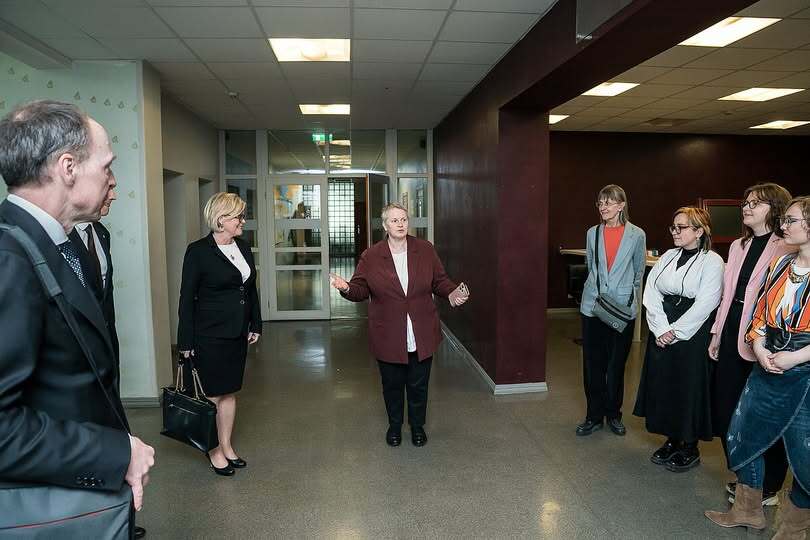
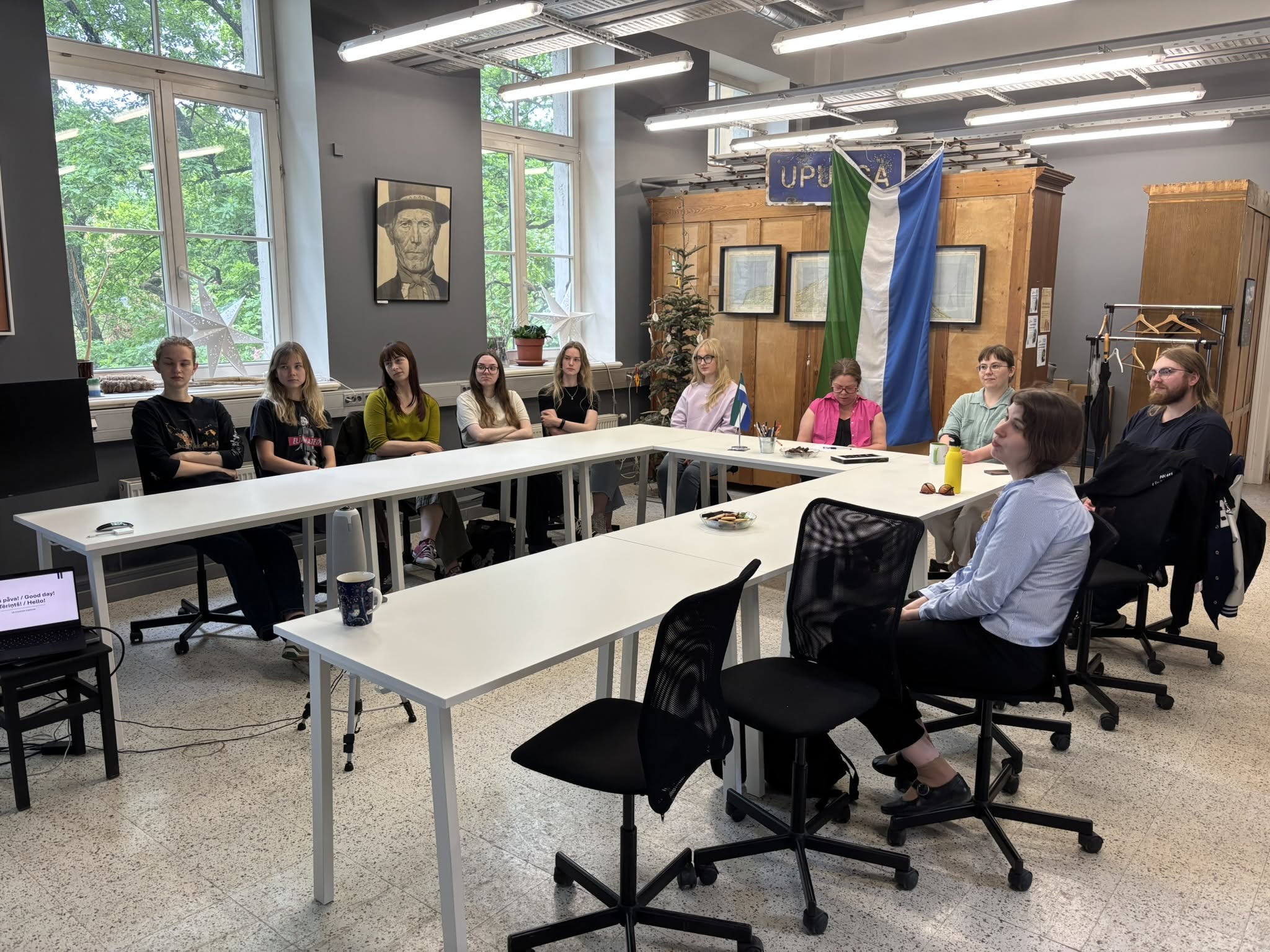
We welcomed our most cherished guests – students of the Livonian language. This time, they were students from the Institute of Estonian Language and General Linguistics at the University of Tartu, accompanied by their lecturers, the Livonian language researchers Tuuli Tuisk and Marili Tomingas.
We were delighted by the students’ interest, their insightful and thought-provoking questions, and their understanding and knowledge. We not only explored ancient sources in print and photographs, but also tried to spot Livonians on the streets and in the squares of Riga.
May 28
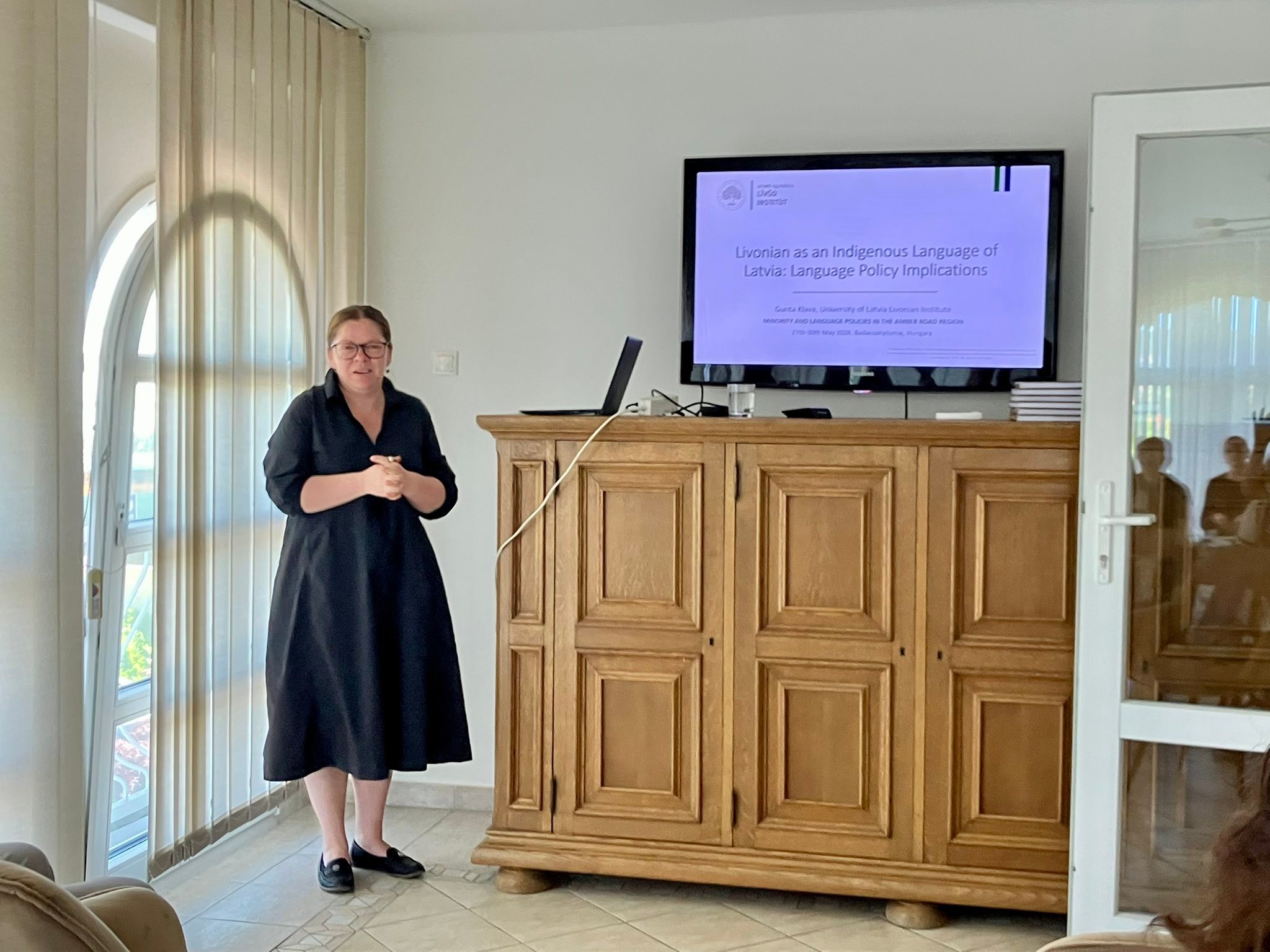
Today in Badacsony, Hungary at the seminar “Minority and language policies in the Amber Road region” organized by the University of Tokaj, UL LI senior researcher Gunta Kļava gave the presentation “Livonian as an Indigenous Language of Latvia: Language Policy Implications” and researcher Uldis Balodis gave the presentation “Historical and Modern Language Policy in Latvia”.
May 28
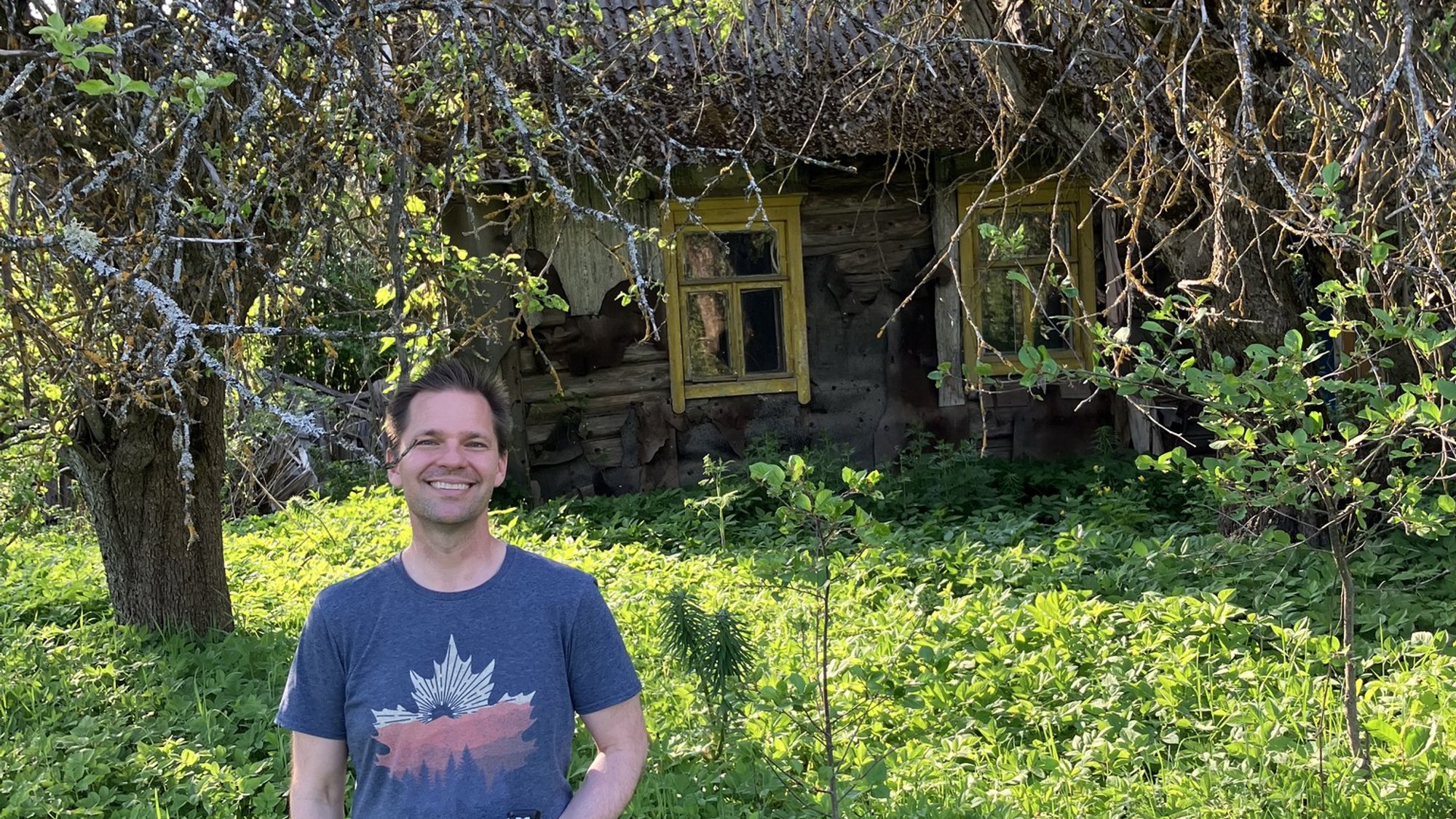
The website delfi.lv features an interview with our researcher Uldis Balodis—on linguistics and translation; research into the Livonian, Ludza Estonian, and Native American languages, their roots, and much more.
May 26
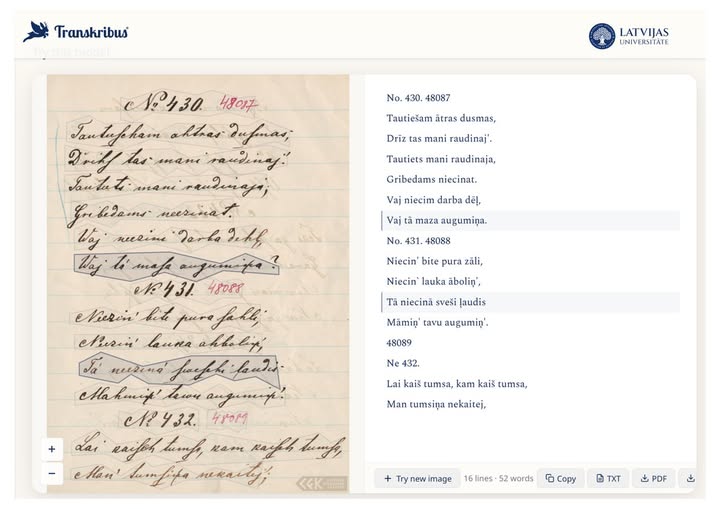
Colleagues from our joint project “Ȭpen” have begun work on the first Latvian handwriting recognition model, which is expected to include experiments in Livonian handwriting recognition in future phases. To this end, we are currently preparing several datasets, including digitizing the handwriting samples we have on hand.
May 23
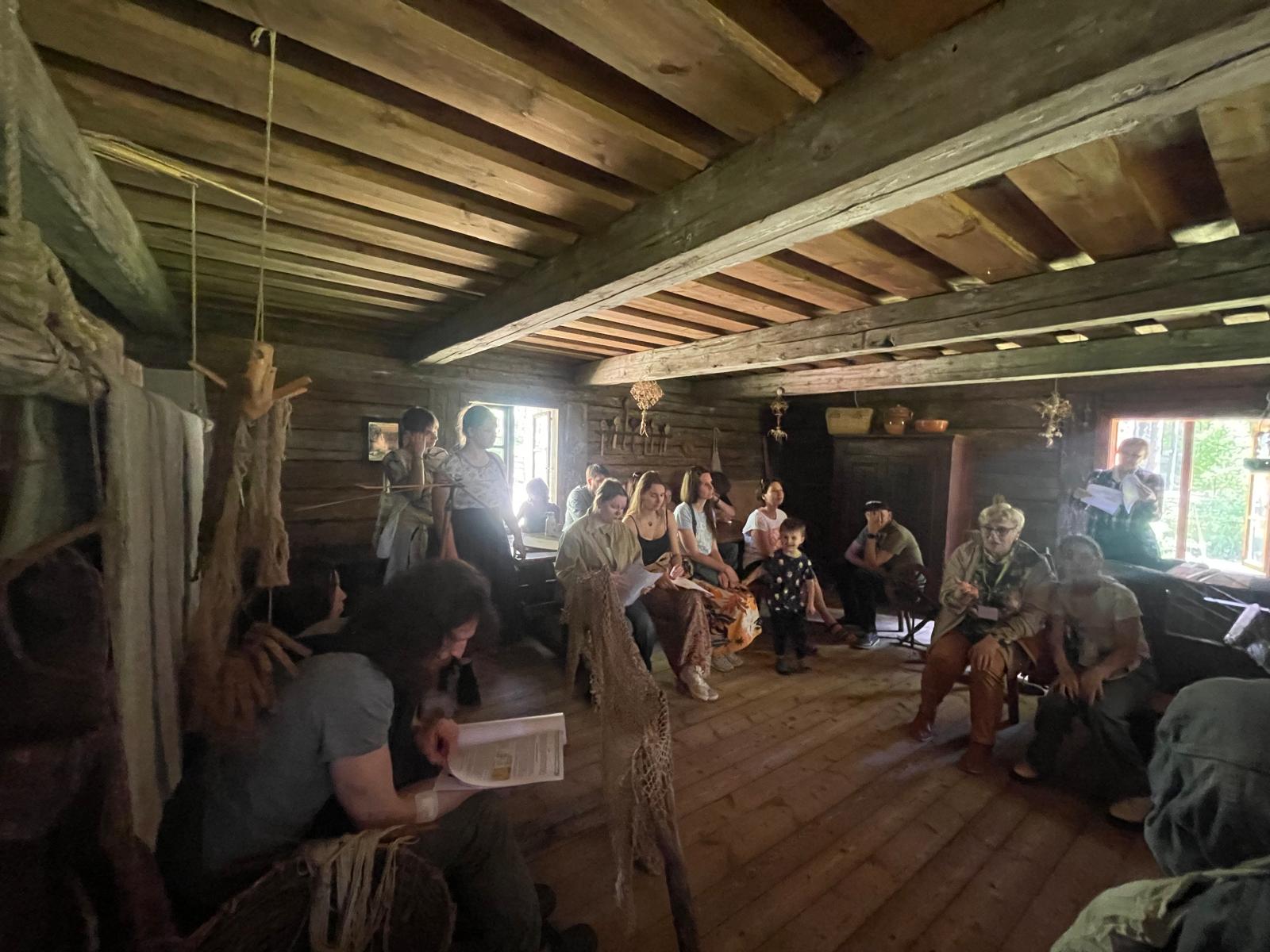
The 2025–2026 academic year for the Livonian language and culture program came to a close with a group visit to the Latvian Ethnographic Open-Air Museum. A heartfelt and resounding “Tienū!” to all 35 participants of the Livonian language and culture school and 8 teachers who, over the course of this year, have collectively proven that where there’s a will, there’s a way for the Livonian language, and that even in just one year, a great deal can be achieved.
The Latvian Ethnographic Open-Air Museum was not chosen for the closing ceremony by chance. It houses a piece of the Livonian Coast—the Livonian farmstead “Dēliņi,” brought here from Lūžņa. Moreover, since spring, another piece of the Livonian Coast has been active at the museum—teacher and guardian of Livonian heritage Zoja Sīle, without whose storytelling much of the Dēliņi farmstead would remain unknown. And here it would be fitting to say a special “Tienū!” to her, not only for her storytelling but also for the idea of turning the Livonian school year-end celebration at the Dēliņi farmstead into an annual tradition!
A heartfelt thank you to the Ministry of Education and Science, which for the second year in a row has provided state-supported opportunities to learn the Livonian language and culture throughout the year (and this investment, as we can see, is paying off handsomely). We would also like to thank the Latvian Ethnographic Open-Air Museum for its support in organizing the closing event!
May 20
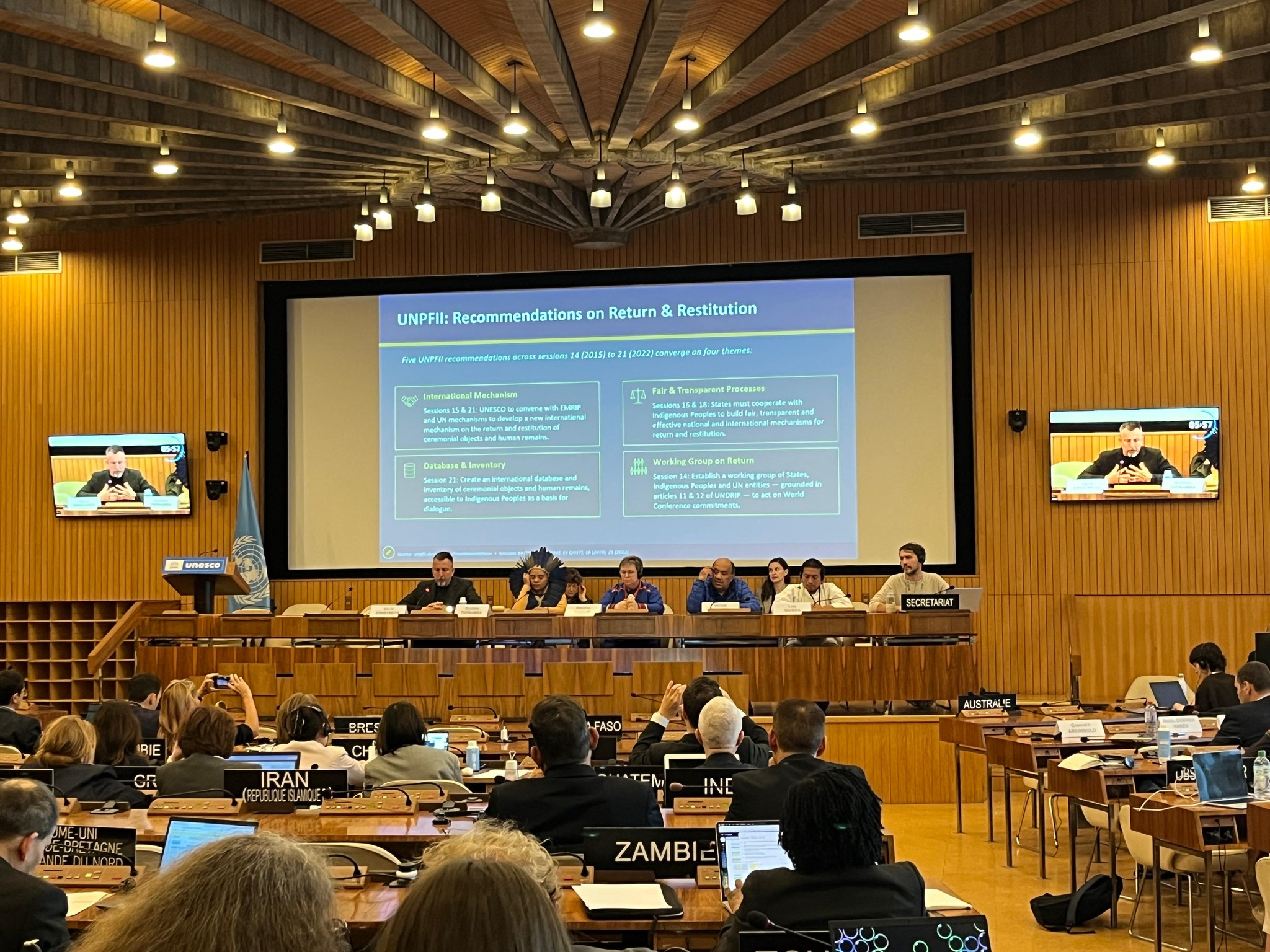
On 20 May, Institute Director Valts Ernštreits delivered an intervention at the 25th Session of the Intergovernmental Committee for the Return of Cultural Property to its Countries of Origin or its Restitution in Case of Illicit Appropriation (ICPRCP) in Paris, UNESCO — on behalf of the United Nations Permanent Forum on Indigenous Issues. The intervention introduced the Forum and its work to the Committee, presented the Forum’s existing recommendations on the repatriation of cultural property, sacred objects, and ancestral remains of Indigenous Peoples, and outlined the multifaceted challenges these processes entail given the diversity of Indigenous Peoples’ situations — including those reflected in Livonian experiences.
Among the proposed approaches: proactive facilitation and consultation by Member States, and ensuring full access by Indigenous Peoples to their cultural property even prior to formal restitution discussions. The intervention also proposed the establishment of a dedicated Focus Group within the ICPRCP — a collaborative mechanism bringing together Committee representatives, Forum members, representatives of other Indigenous mechanisms, and Indigenous Peoples themselves.
May 19
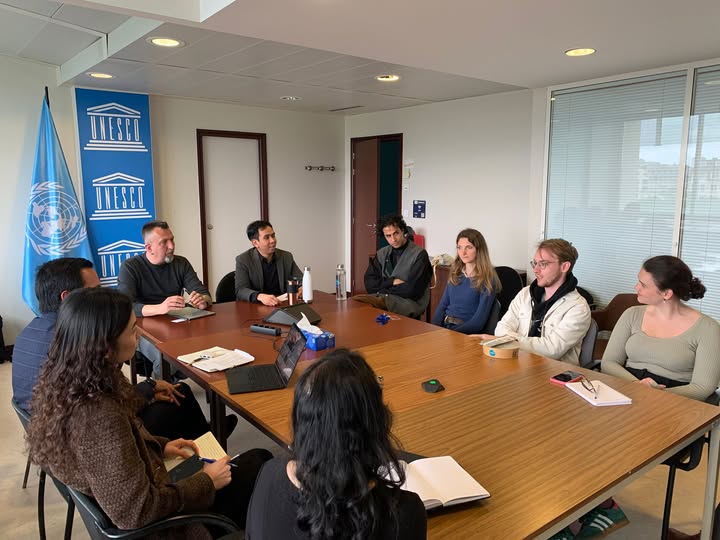
Valts Ernštreits represented the UL Livonian Institute at UNESCO’s Brown Bag Lunch — an informal talk series in hybrid format bringing young UNESCO staff across the headquarters and offices around the world together for open, in-depth discussion. His talk, “Keeping Languages Alive”, placed the work of the Institute and the Livonian language community at the centre of that conversation. Many thanks to David Castillo Parra for the invitation, and to Young UNESCO for their support in making it happen.
Photo: Audrey–Maude Perreault
May 18
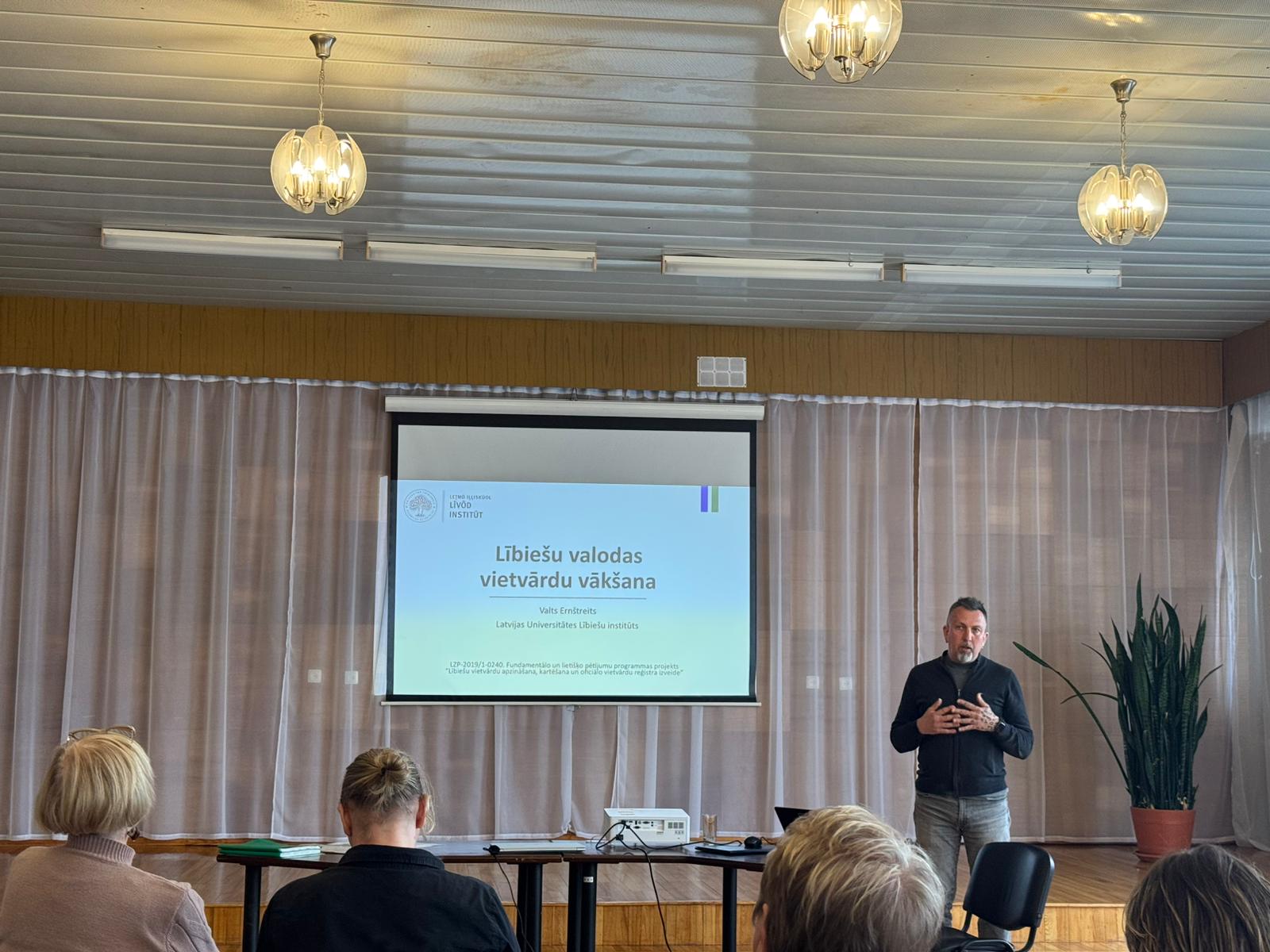
In Lēdurga, we met with members of the Livonian cultural community in Vidzeme, local historians, and representatives from museums and libraries to discuss the Livonian linguistic heritage in place names and research on the subject.
We learned about the tremendous work that has been done in collecting place names (especially house names) in Vidzeme, shared our experience in the field of collecting, researching, and mapping Livonian place names, and discussed our shared plans for the future. We also presented the libraries with a catalog of Livonian place names and a guide to the Salaca Livonian language. Thank you to the organizers for the warm welcome and to all participants for their involvement!
May 15 – 17
From 15 to 17 May, the team behind the project “Documenting and popularising the Estonian Swedish dialect Runska” (2024–2026) visited the island of Ruhnu to share the progress and outcomes with the local community and Ruhnu Swedish descendants.
The project brought together researchers from the University of Tartu, the University of Gothenburg, and the University of Latvia Livonian Institute, alongside the Ruhnu Cultural Space and the community of Ruhnu Swedes in Sweden (Svenska Odlingens Vänner). Its aims were to document and systematise existing language materials, record the remaining speakers of Runska, and broaden awareness of this lesser-known linguistic heritage.
The project was funded by Nordplus.
Photo: UT Institute of Estonian and General Linguistics
May 14
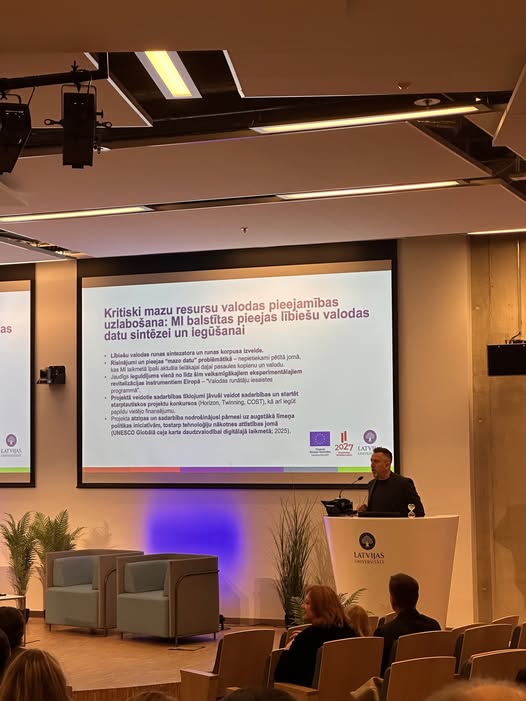
Today, at the event “University of Latvia on the Path to the TOP 500” (Latvijas Universitāte ceļā uz TOP 500), the institute’s lead researcher, Valts Ernštreits, presented the achievements of the project “Improving Accessibility of Critically Small-Resource Languages: AI-Based Approaches to Livonian Language Data Synthesis and Acquisition” (Kritiski mazu resursu valodas pieejamības uzlabošana: MI balstītas pieejas lībiešu valodas datu sintēzei un iegūšanai), as well as the institute’s international activities in the field of shaping the future of technology.
May 12
Today the Global Task Force for the International Decade of Indigenous Languages is meeting at UNESCO in Paris. For the first time, Latvia is represented at this body by the Institute’s senior researcher Gunta Kļava.
As head of the Institute’s Livonian language acquisition programme and a researcher of intergenerational language transmission, she has previously served as an expert in the Task Force’s Ad-Hoc Group on Indigenous Language Transmission, established in 2023. Institute director Valts Ernštreits returns to the Task Force in his capacity as representative of the United Nations Permanent Forum on Indigenous Issues (UNPFII), alongside fellow members Emma Rawson-Te Patu (Aotearoa / New Zealand) and Amina Amharech (Morocco). We are proud to expand our presence in this important international body dedicated to building an equitable future for indigenous languages worldwide — and to share Livonian experiences in language sustaining and revitalisation.
May 11 – 15
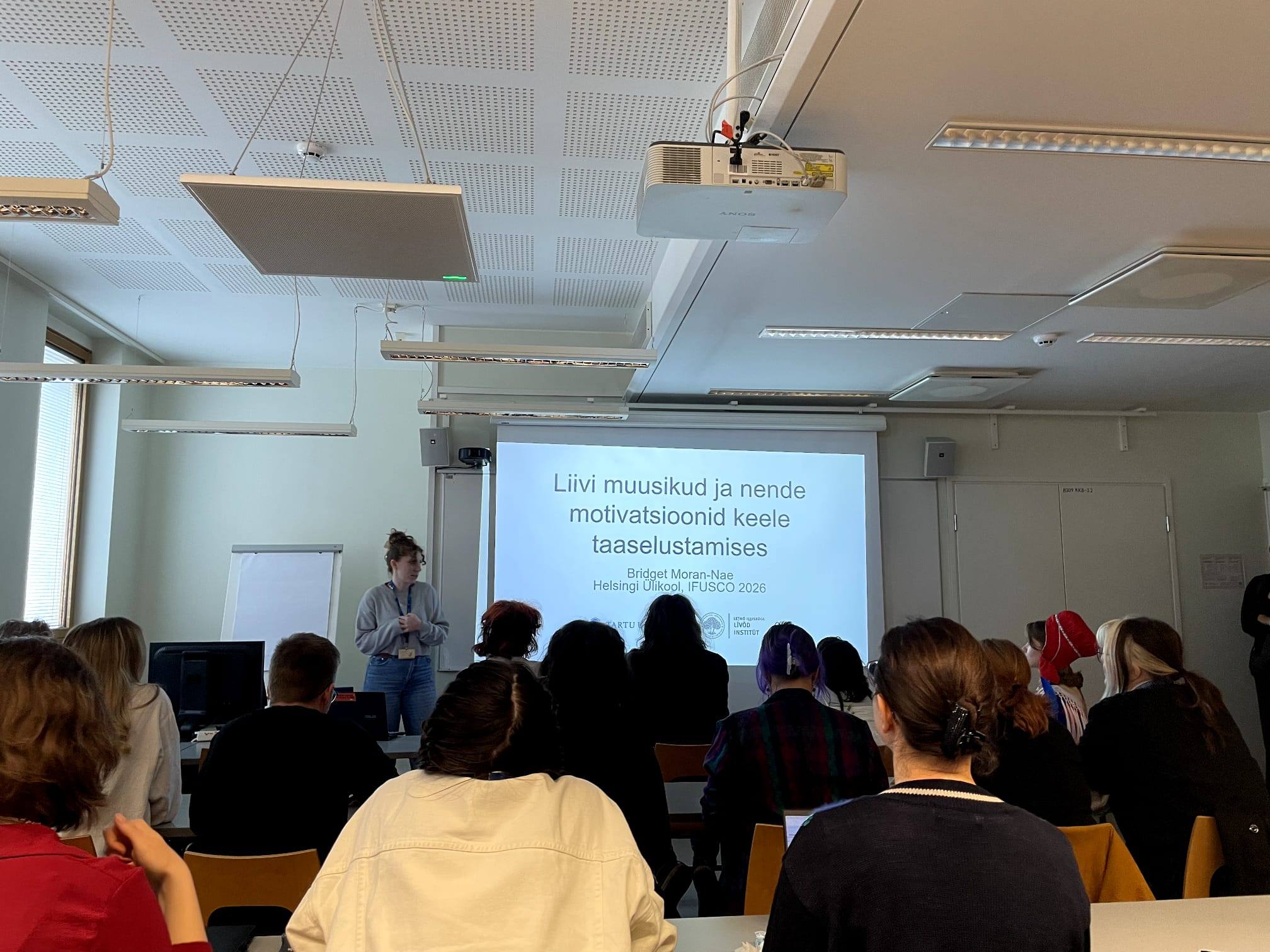
From May 11th until May 15th, the International Finno-Ugric Students’ Conference, or IFUSCO, took place at the University of Helsinki, Finland. Our researcher Bridge Moran-Nae presented her working paper on the motivational drivers of Livonian musicians in the revitalization movement.
April 21
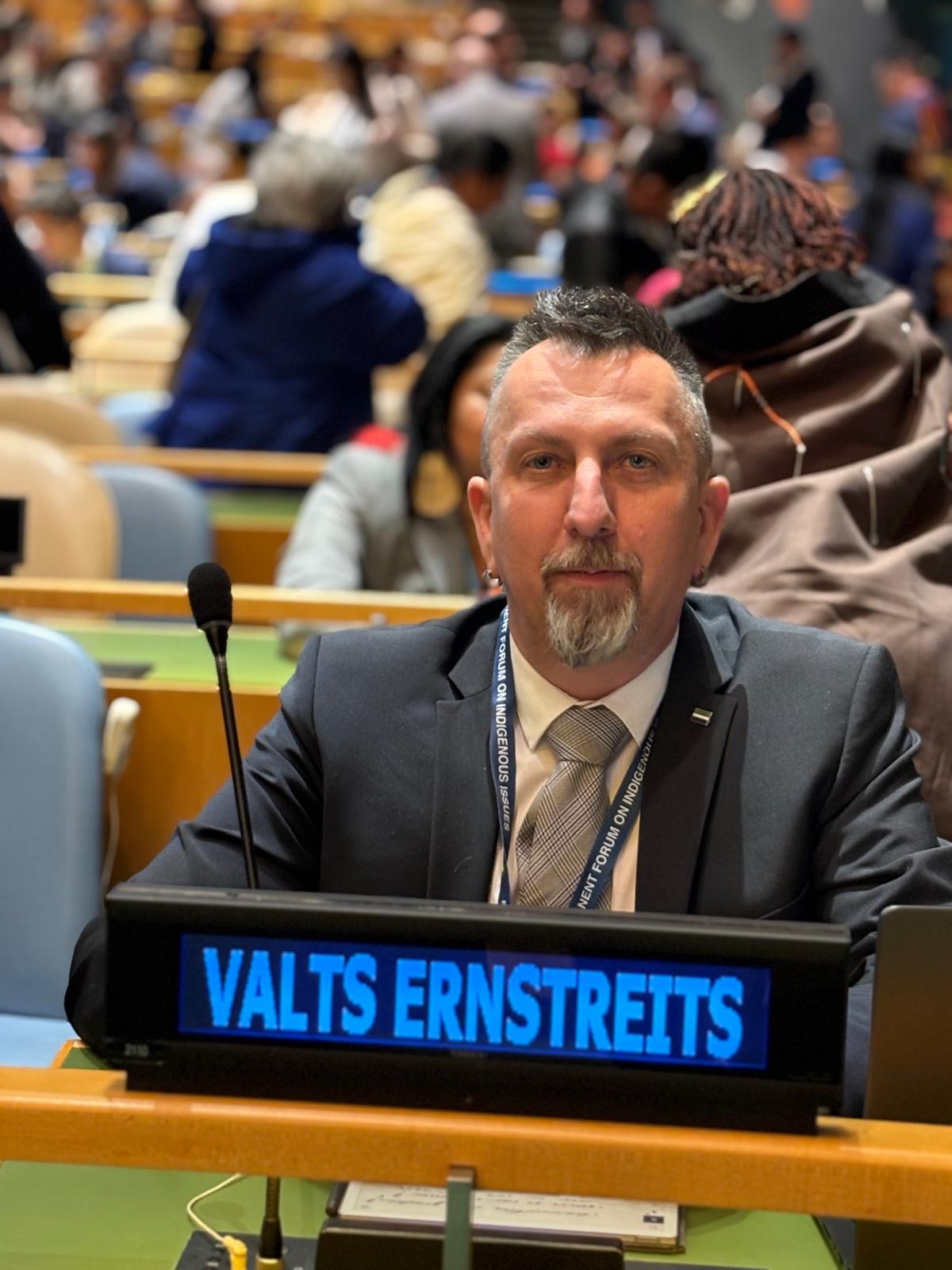
The 25th session of the United Nations Permanent Forum on Indigenous Issues (UNPFII) has opened in New York — and we have wonderful news to share. During the opening ceremony, the Director of the Livonian Institute, Valts Ernstreits, was elected as Vice-Chair of the Forum.
The UNPFII is the highest-level UN body dedicated to indigenous peoples’ rights and brings together Indigenous communities, member states, and international organizations from around the world. Having a representative of the Livonian people in its leadership is a historic moment — and a testament to the tireless work of all those who have carried this cause forward.
April 20
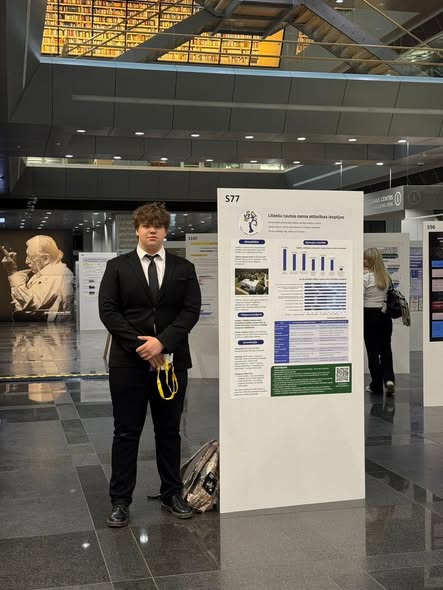
We were delighted to hear that Mikus Spiridovskis, a student in Class 11C at Riga Jugla Secondary School, won an honorable 3rd place at the national level in the social sciences category at the 50th National Conference on Student Research Projects in Latvia! The supervisor of the research project “Development Opportunities for the Livonian Community Center” (Lībiešu tautas nama attīstības iespējas) is the distinguished cultural studies teacher, mg.paed. Ļevs Rusilo.
We sincerely congratulate Mikus and his research supervisor, Ļevs Rusilo, on their hard work and perseverance! We are pleased that the UL Livonian Institute contributed to the creation of this work. The support of Mikus’ family was also significant in the development of the study, tienū!
April 15
Today 24th Meeting of the Baltic Division of United Nations Group of experts on Geographical Names took place in Riga.
During the meeting we had an opportunity to present work that has been done at he the institute regarding Indigenous Livonian place names, their standardisation and use, as well as present global initiatives and collaborations regarding Indigenous place names and languages.
April 10
You can listen to (and read) the discussion about the Law on Latvian Historical Lands with colleagues from Latgale and Sēlija in the podcast “Mīti” on the Latgalian cultural news portal (Latgalīšu kulturys ziņu portals) lakuga.lv!
Photo: Amanda Anusāne
April 9
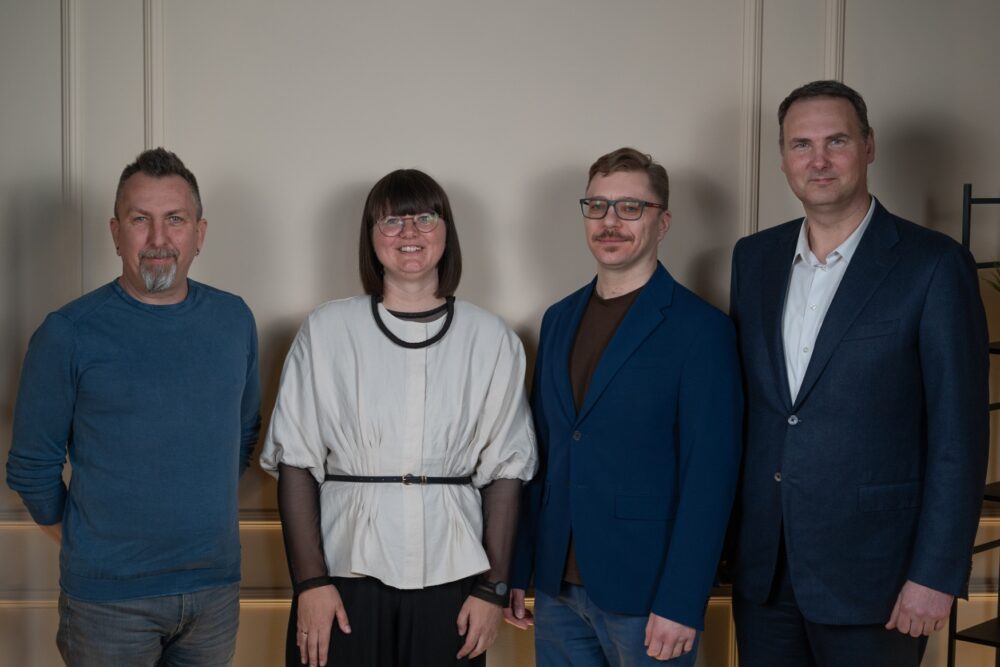
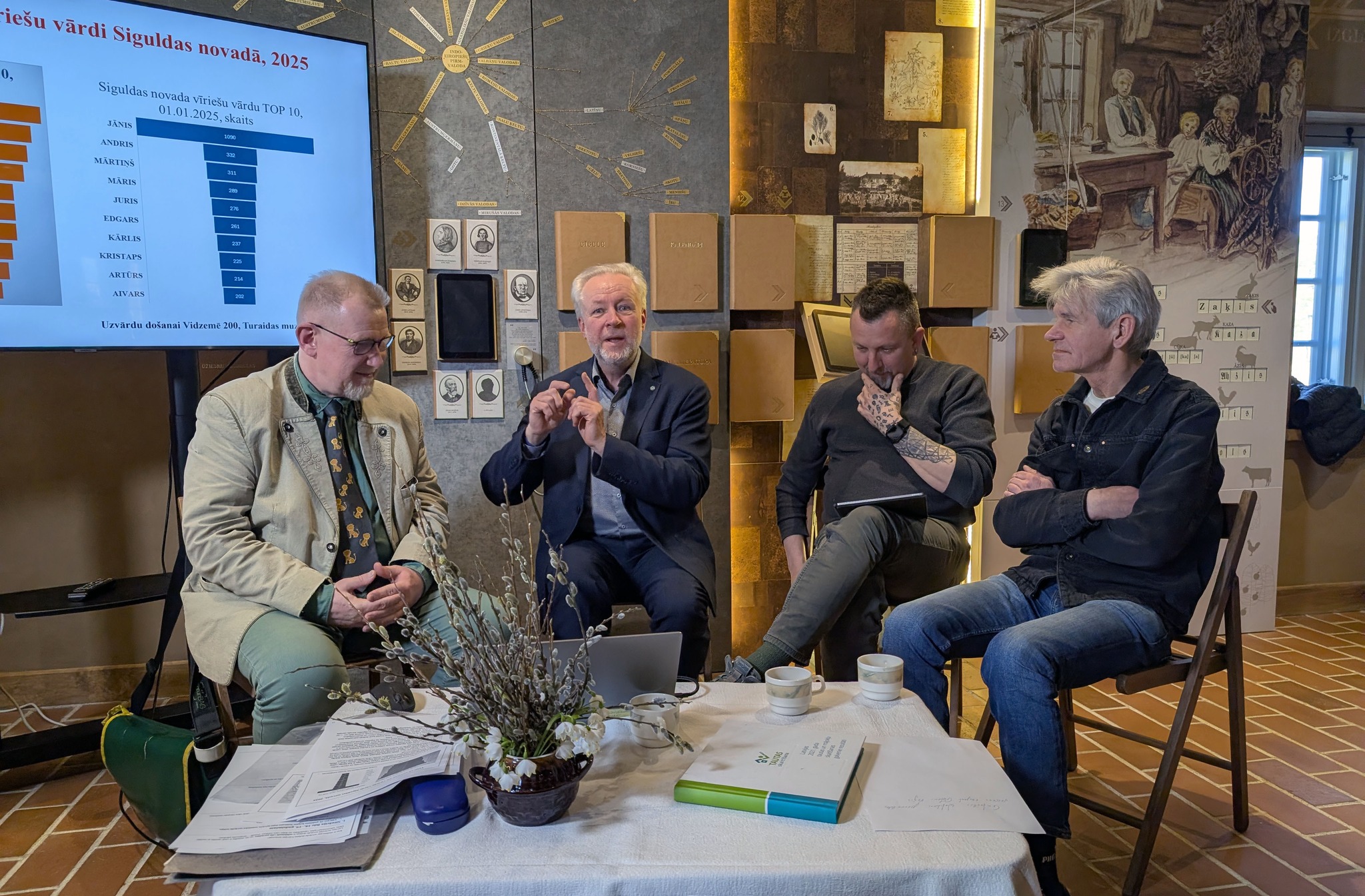
A discussion dedicated to the 200th anniversary of the adoption of surnames in Vidzeme was held at the Turaida Museum Reserve, where, together with distinguished colleagues, we discussed Latvian surnames, as well as Livonian naming traditions and how they have changed over time.
Photo: Maira Dudareva
April 8
Liepāja State Gymnasium hosted one of the master classes in the “Cultural Impulse” series , where students had the opportunity to learn about Livonian history, traditions, and identity as part of Latvia’s cultural heritage through the storytelling of Sofija, a student at the gymnasium, Livonian speaker and active member of the Livonian community. The session offered a new perspective on the Latvian Cultural Canon, allowing participants to gain a deeper understanding of our cultural diversity and its roots.
The masterclass encouraged young people to broaden their horizons and view culture as a living, authentic process that helps to better understand Latvia’s national identity.
March 30
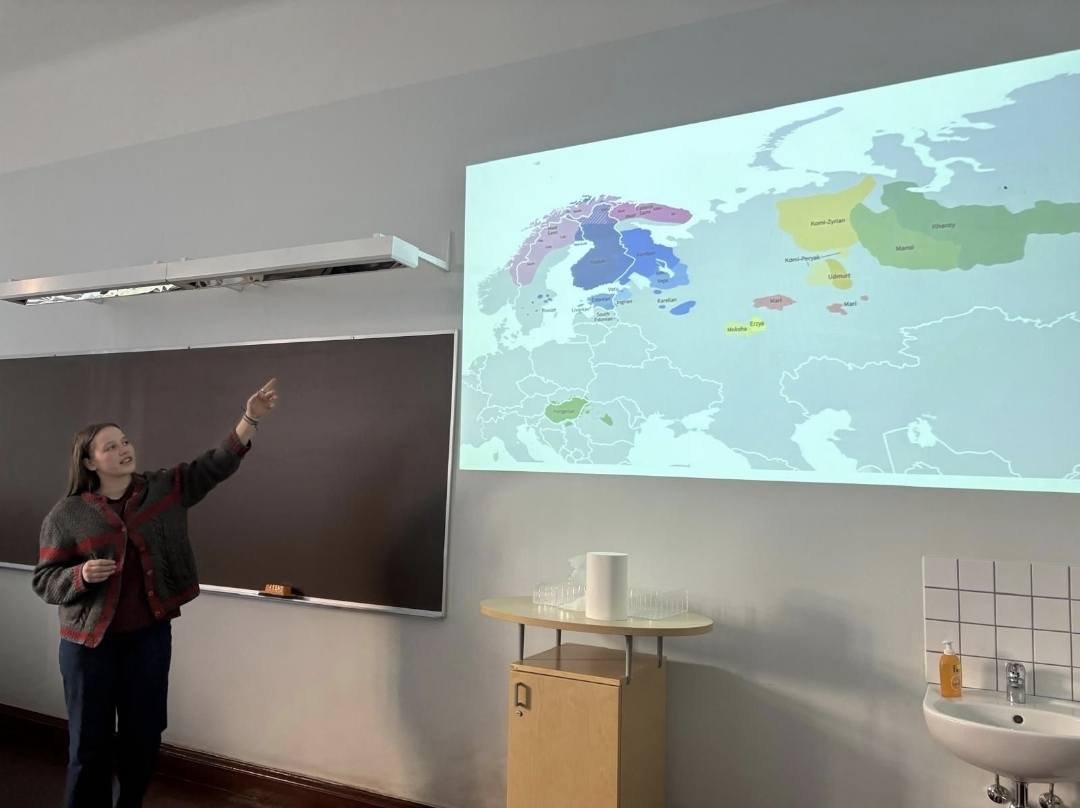
Valts Ernštreits introduces the Livonian language in the “Language Tasters” series at Vytautas Magnus University.
More information here.
March 29
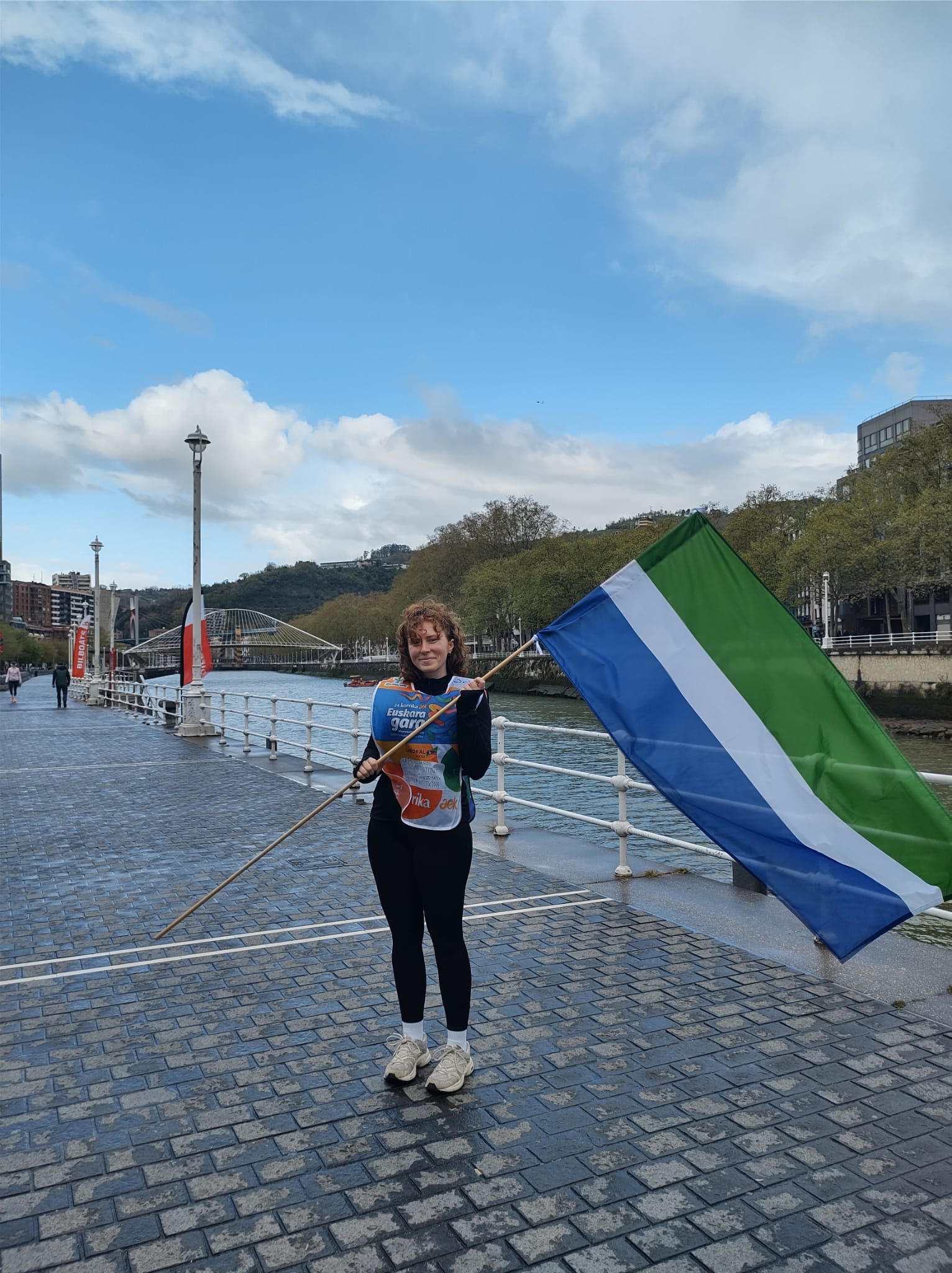
From the 19th to the 29th of March, the Korrika took place in the Basque Country. This relay race to promote the Basque language lasts 11 days – day and night – and passes through all Basque-speaking areas in Spain and France every two years.
Our researcher Bridget Moran-Nae ran in the Korrika on the 27th of March in Vitoria-Gasteiz and on the 29th in Bilbao, carrying the Livonian flag with her and representing the Livonian Institute of the University of Latvia.
We hope that all of our Basque colleagues at EHU had a wonderful Korrika, and we hope to have more fruitful collaboration with them in the future!
March 23
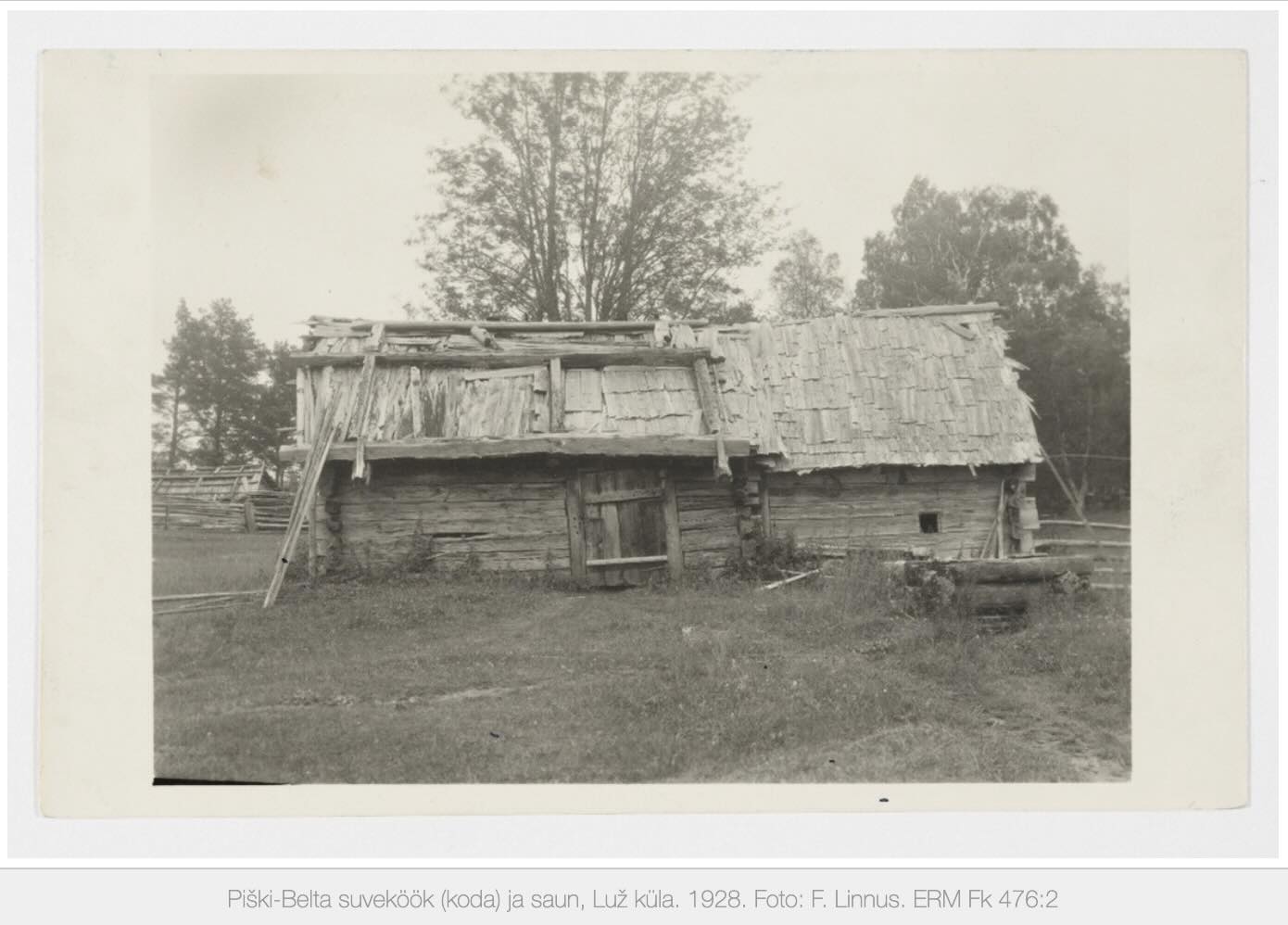
To mark Livonian Heritage Day, the Estonian National Museum has published a booklet about Ferdinand Linnus and Aarne Mõttus’s journey to the Livonians.
The publication is available here.
March 23
A report on Estonian public television about Livonian Heritage Day and the bird-waking ceremony in Ainaži and Ikla.
The report is available here.
March 22
Livonian Heritage Day is celebrated throughout Latvia in areas historically inhabited by the Livonians. The tradition has continued since 2023, when, following an initiative by the University of Latvia Livonian Institute, the Latvian National Commission for UNESCO, and the Latvian National Center for Culture, the Year of Livonian Heritage was celebrated for the first time.
Information about all events can be found on the website libiesugads.lv, which features both a map of all events that have taken place since Friday, as well as a description of the bird-awakening tradition and a song.
March 16
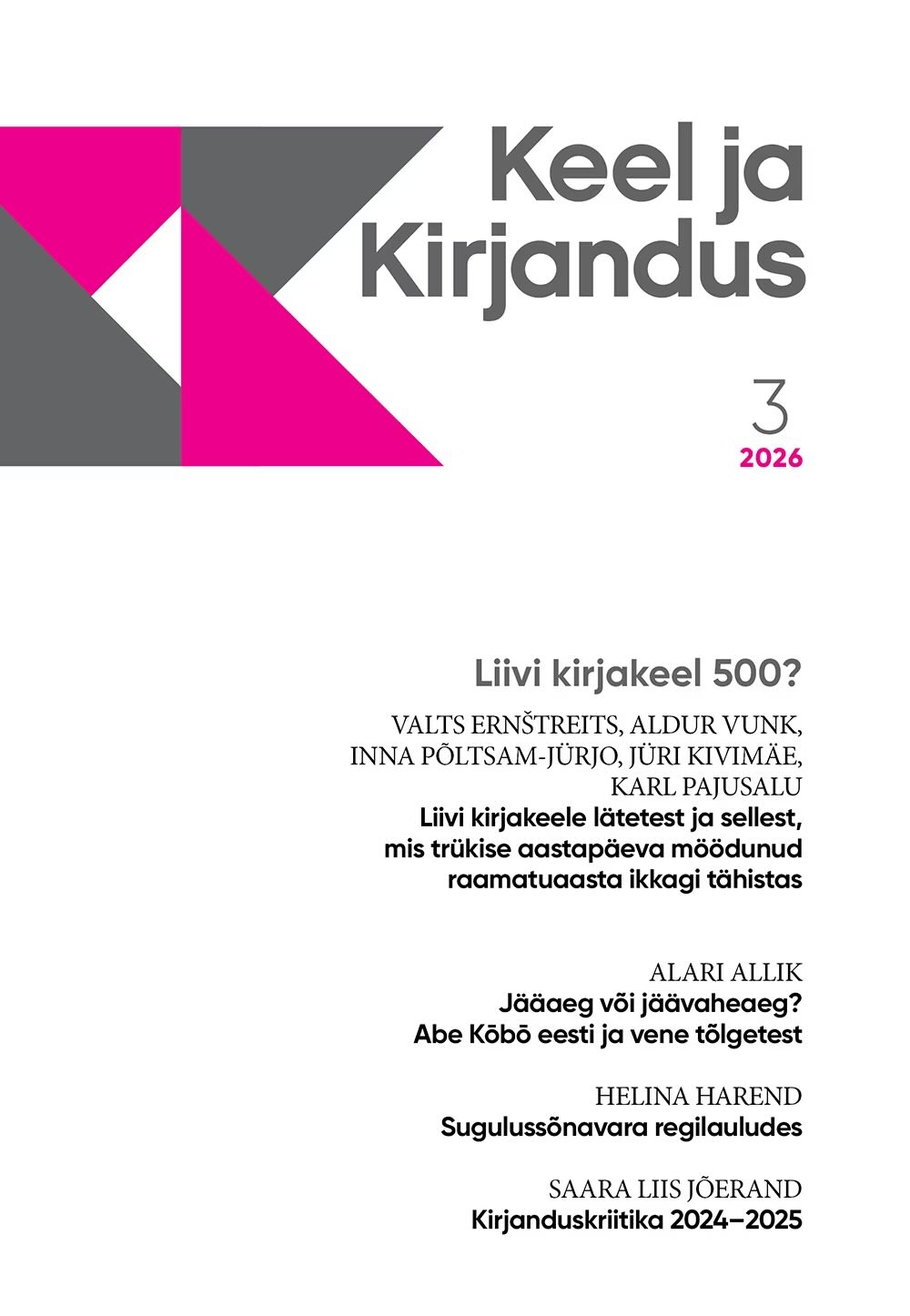
The theme of the latest issue of the Estonian journal Keel ja Kirjandus – the Livonian language in the context of the recently celebrated 500th anniversary of the first published book.
The journal also includes an article by the institute’s director, Valts Ernštreits, and his colleagues. The electronic version of the journal is available here.
March 13
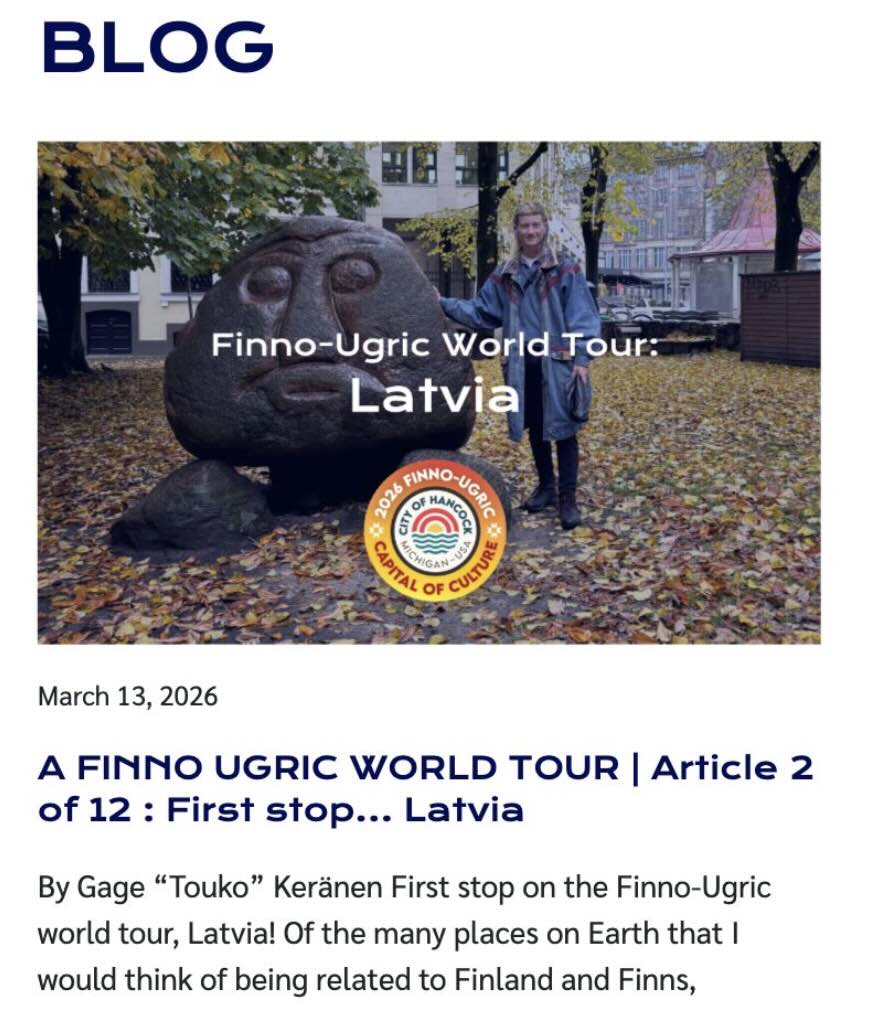
In October 2025, Touko Keränen (member of the Young Leaders Board of the Finlandia Foundation National) visited the UL Livonian Institute and met with UL LI researcher Uldis Balodis. The newest issue of the Finnish American Reporter includes the article written by Keränen describing his visit to the UL Livonian Institute as well as the value and significance of the Livonian and Lutsi languages and cultures in Latvia and the broader Finnic context.
March 10
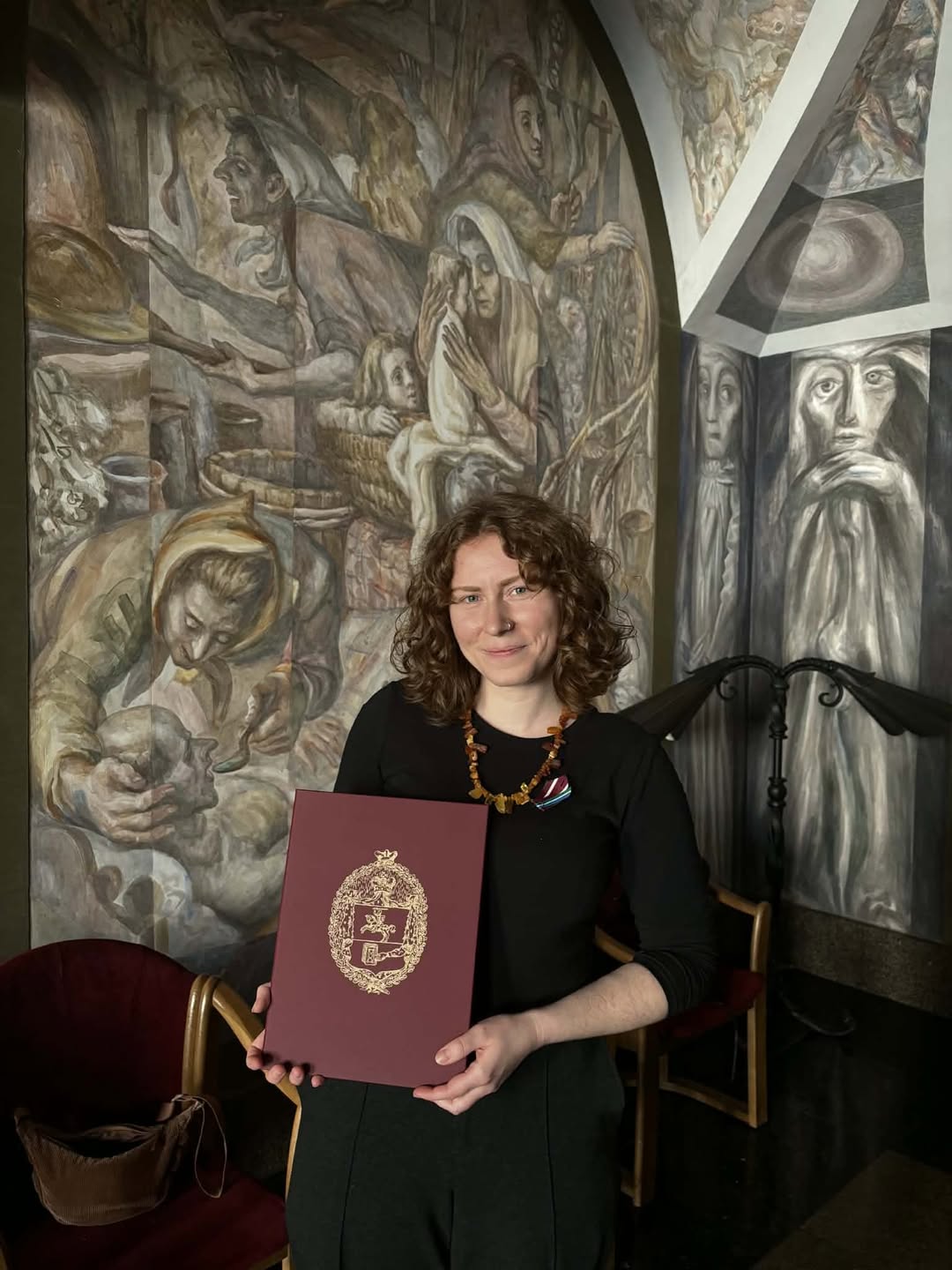
We warmly congratulate our colleague and University of Tartu doctoral student Bridget Moran-Nae on receiving The Three Rectors’ Scholarship!
The Three Rectors’ Scholarship is a joint initiative established by the rectors of the three Baltic states’ universities, which has been awarded since the 2017/2018 academic year. The aim of the scholarship is to develop cross-border cooperation between the three Baltic countries and their leading universities, as well as to promote the teaching and study of the Estonian, Latvian, and Lithuanian languages and cultures.
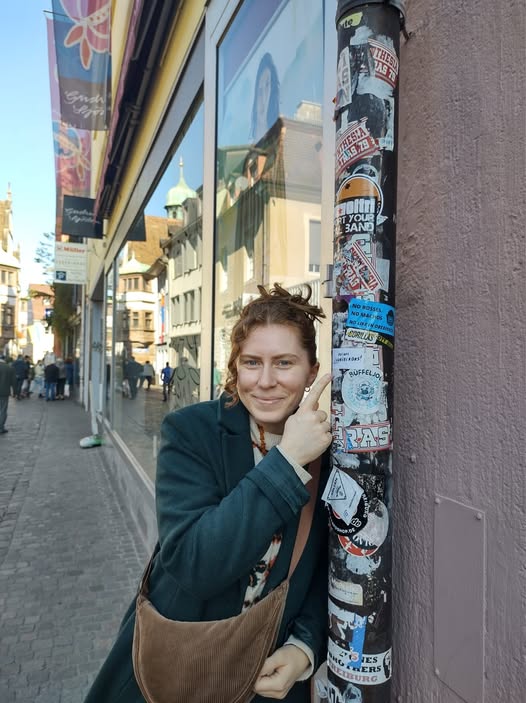
February 23
At 1 p.m. an open online lecture of research fellow candidate Bridget Moran-Nae “Revitalizing Minoritized Languages: Musical Performers as Language Policy Actors in the Livonian Community” took place.
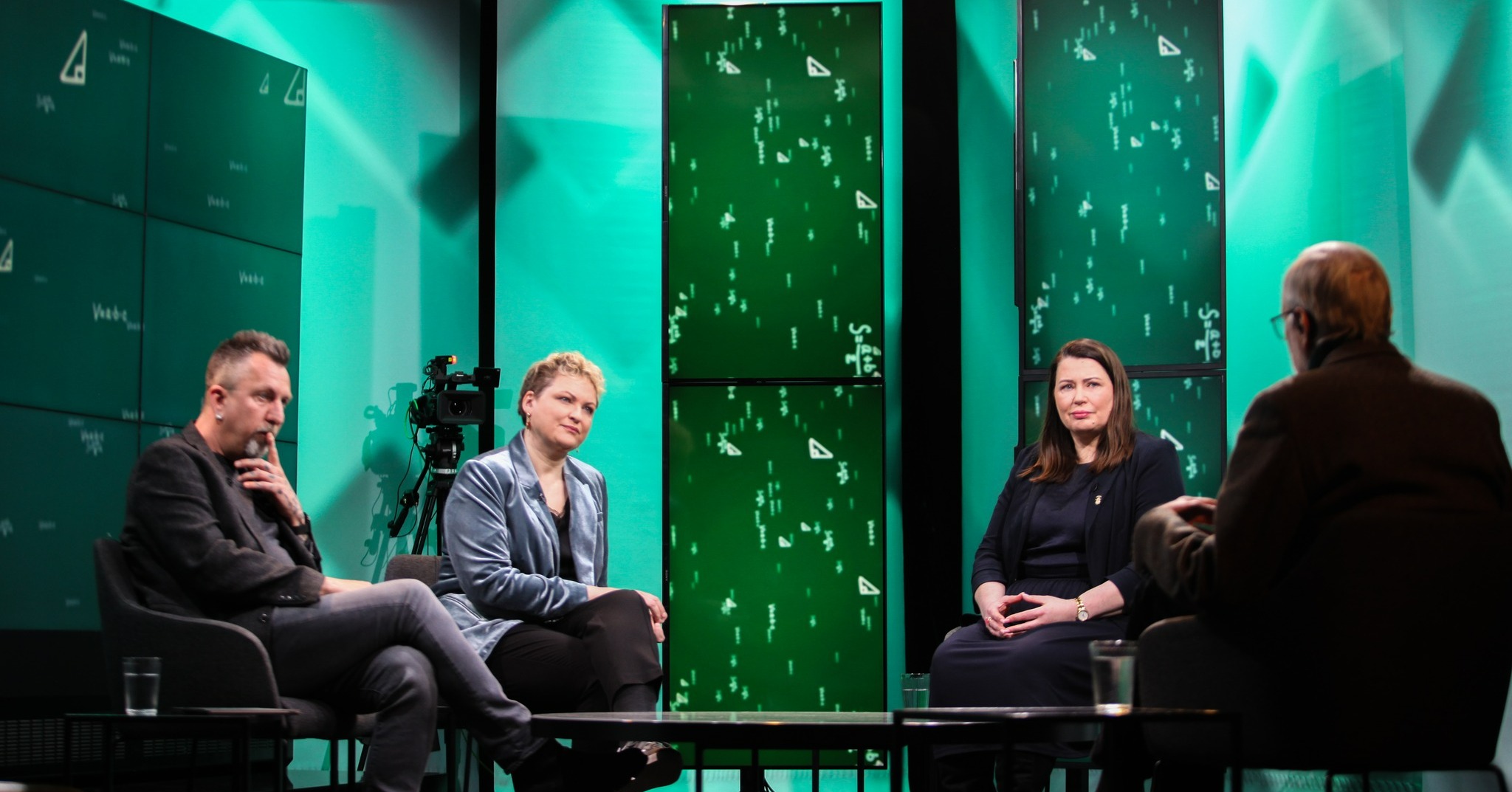
February 19
On February 19th at 10 p.m., TV24’s program “Latvijas formula” (Formula of Latvia) featured a discussion on preserving Latvia’s statehood, language and identity, touching on issues such as the preservation of the Livonian language, ensuring the competitiveness of the Livonian language, as well as interdisciplinary research and approaches to gaining a better understanding of Latvian values.
The institute’s leading researcher, Valts Ernštreits, also participated in the discussion.
January 26
Over the past month, we have encountered several cases where various excuses have been used in order to prevent the use of Latvia’s second indigenous language, Livonian.
To clarify and help all Livonians who still face restrictions on speaking and writing in their own language, as well as to promote understanding among others, we have prepared a brief overview of the status of Livonians and the Livonian language in Latvia.
More details in the blog post: https://www.livonian.lv/…/libiesu-juridiskais-statuss…/
January 23
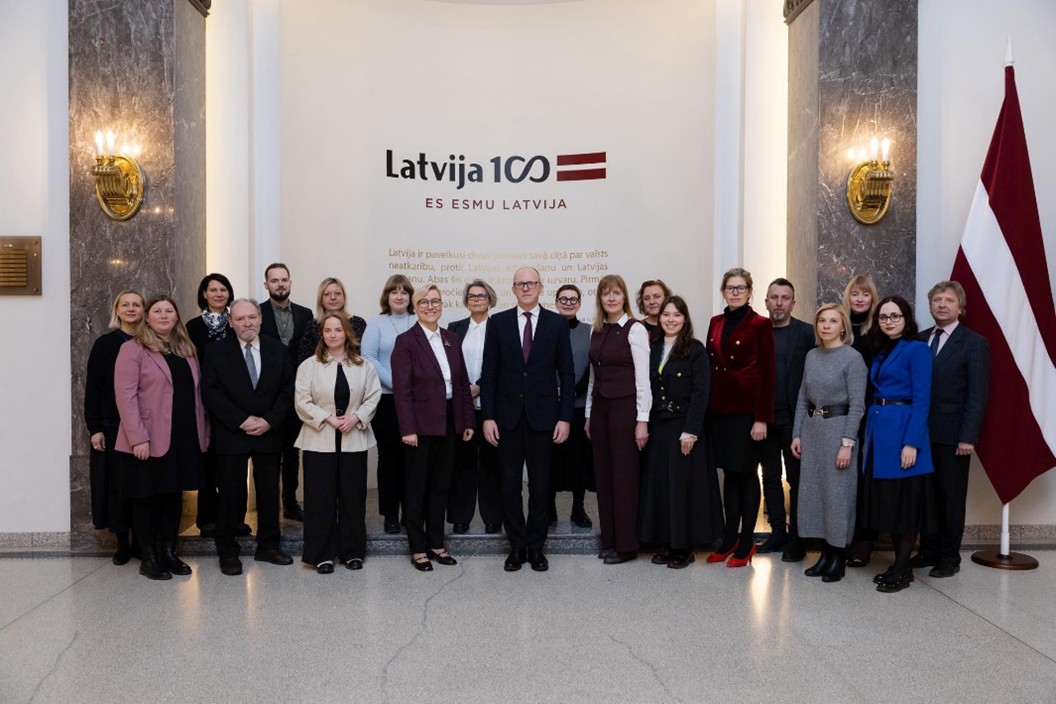
At the Ministry of Foreign Affairs, we discussed current affairs in the institute’s cooperation with international organizations, particularly with UNESCO, the United Nations Educational, Scientific and Cultural Organization, which is mainly concerned with preserving linguistic and cultural diversity in the digital age and protecting the rights of indigenous peoples.
Photo: Ādams Edvards Vasaraudzis, Ministry of Foreign Affairs
January 20
The UL Livonian Institute is one of the cooperation partners involved in this project.
January 17
Research work is also planned for this year on the hillforts and in their surroundings, including dust analysis and charcoal residue research.
More information here. Photo: Juris Urtāns